

Window Replacement Cost Revealed: Energy Savings, ROI, and Payback for American Households
- Energy Efficient Windows: Breaking Down Costs, Savings, and Payback Periods for US Homes
- Imagine slashing your yearly heating and cooling bills by up to 13%, saving hundreds without lifting a finger beyond a smart upgrade.
- One Texas family's story: They replaced drafty old windows and saw their energy costs drop 30%, paying off the investment in under 7 years. Leaky windows secretly stealing $500 from your wallet annually? Modern energy savers could flip that into long-term gains.
Introduction
Picture this: You're cozy in your living room on a chilly winter evening, but a subtle draft sneaks in, forcing your heater to work overtime. That's the reality for millions of US homeowners with outdated windows, leading to skyrocketing energy bills. Energy efficient windows aren't just a luxury—they're a smart investment that tackles rising utility costs head-on. In this article, we'll dive into the window replacement cost, explore potential savings, and break down the payback period, helping you decide if it's time for an upgrade. By the end, you'll gain practical insights to lower your bills, boost home comfort, and even increase property value, all backed by real data and examples.
What Are Energy Efficient Windows?
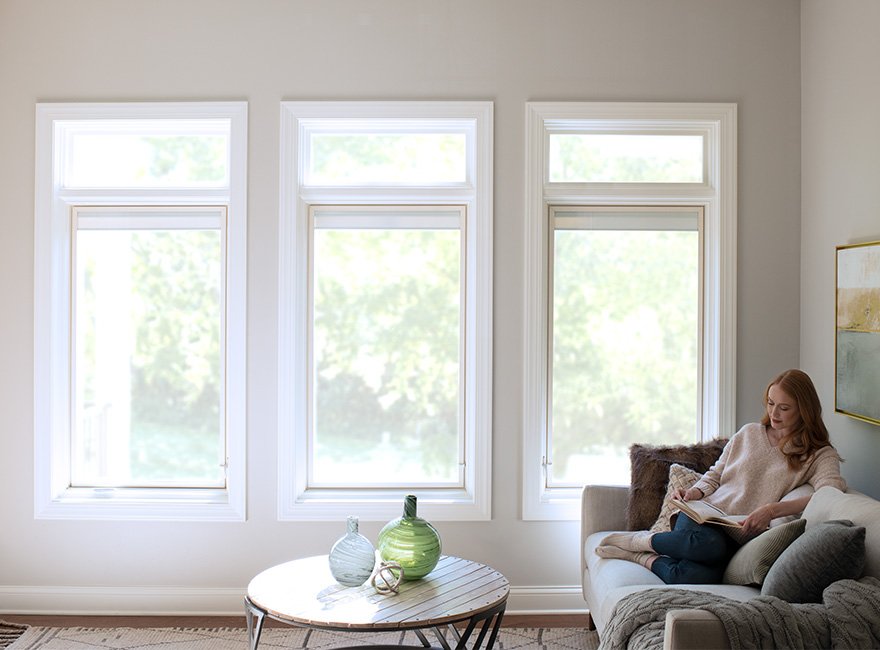
Energy efficient windows are designed to minimize heat loss in winter and keep cool air inside during summer. They feature advanced technologies like double or triple panes, low-emissivity (low-E) coatings, and gas fills such as argon or krypton between layers. These elements work together to improve insulation, reducing the need for constant HVAC use.
Unlike standard single-pane windows, which can let up to 30% of a home's energy escape, energy efficient models meet strict standards set by organizations like ENERGY STAR. For US homes, this means better performance in diverse climates, from the humid South to the frigid North.
Homeowners often overlook how windows impact overall energy use. According to the US Department of Energy, windows account for 25-30% of residential heating and cooling demands. Upgrading addresses this directly, tying into the broader window replacement cost conversation.
Types of Energy Efficient Windows
There are several options to suit different budgets and styles. Vinyl windows are affordable and low-maintenance, often starting at lower energy efficient windows cost points. Wood frames offer a classic look with good insulation but require more upkeep.
Fiberglass windows stand out for durability and energy performance, ideal for extreme weather. Aluminum-clad options combine strength with efficiency. Each type influences the overall window replacement cost, but all aim to deliver long-term savings.
Breaking Down the Window Replacement Cost
When considering upgrades, the window replacement cost is often the first hurdle. In 2025, the average cost to replace a single window ranges from $614 to $1,309, including materials and labor. This varies by factors like window size, material, and location.
For a typical US home with 10-15 windows, full replacement might total $7,000 to $20,000. Energy efficient windows cost more upfront—expect 10-20% higher than basic models due to advanced features. However, incentives like the Energy Efficient Home Improvement Credit can offset up to $3,200.
Don't forget installation. Professional labor adds $100-$300 per window, but DIY attempts can lead to inefficiencies, negating savings.
Factors Influencing Energy Efficient Windows Cost
Material choice plays a big role. Vinyl is the cheapest at $300-$800 per window, while wood can hit $1,000+. Size and style matter too—bay windows cost more than standard double-hung.
Regional differences affect pricing. In New York, costs average $1,057 per window due to higher labor rates. Energy ratings like U-factor (measuring heat transfer) also impact cost; lower U-factors mean better efficiency but higher prices.
Custom features, such as tinted glass for UV protection, add to the energy efficient windows cost. Always get multiple quotes to compare.
Energy Savings from Upgrading to Efficient Windows
The real appeal lies in savings. ENERGY STAR certified windows can cut heating and cooling costs by up to 13%, translating to $125-$465 annually for the average home. This is especially valuable in the US, where households spend about $2,000 yearly on energy.
In hotter climates, low-E coatings block solar heat, reducing AC use by 10-15%. Colder areas benefit from better insulation, preventing heat loss.
Recent Statista data shows US energy efficiency measures have avoided over 1.5 billion metric tons of CO2 emissions, with windows playing a key role. These savings compound over time, directly tying into energy saving windows payback.
How Savings Vary by Region
In the Northeast, where winters are harsh, upgrades can save up to 33% on heating. Southern states see more cooling benefits. A McKinsey report notes residential energy efficiency improved 17% annually from 2006-2011, a trend continuing with better windows.
For example, replacing single-pane with double-pane can yield 7-15% overall energy reduction. This implies lower bills and a greener footprint.
Calculating Window Replacement ROI
Window replacement ROI typically ranges from 70-80% nationally. This means for a $10,000 project, you might recoup $7,000-$8,000 in home value upon resale.
Beyond resale, ROI includes energy savings. If annual savings are $300, that's a 3% return on a $10,000 investment—better than many savings accounts. Surveys show 43% of homeowners upgrade for bill reductions.
Comparisons help: Vinyl windows offer 67% ROI, wood 62%. In Utah, local conditions boost this to over 72%.
Tips for Maximizing Window Replacement ROI
✅ Choose ENERGY STAR rated products for certified performance. ✅ Factor in tax credits to reduce net cost. ✅ Opt for professional installation to ensure efficiency. 🔢 Step 1: Assess current windows for drafts. 🔢 Step 2: Calculate potential savings using online tools. 🔢 Step 3: Compare quotes from at least three contractors.
These steps ensure your investment pays off.
Understanding Energy Saving Windows Payback Period
The payback period is how long it takes for savings to cover the initial window replacement cost. For energy efficient windows, it averages 5-15 years, depending on climate and usage.
In high-energy-cost areas, it can be as short as 5-8 years for double-pane upgrades. A DOE guide notes homeowners recoup 78% at resale, shortening effective payback.
Market trends from Statista project the residential energy efficient windows market to grow from $11.4 billion in 2024 to $28 billion by 2035, at 8.5% CAGR, driven by payback appeal.
Factors Affecting Payback
Energy prices fluctuate; higher rates shorten payback. Home size matters—larger homes see bigger absolute savings.
Installation quality is key; poor fits extend payback by reducing efficiency. In Georgia, payback ranges 5-15 years based on window count.
Case Studies and Real-Life Examples
Real stories illustrate benefits. In New York City, a building-wide window replacement cut energy use by 20-30%, saving thousands annually. This case involved high-efficiency models compliant with local laws.
Another example: A New Jersey home replaced aluminum windows with vinyl energy efficient ones, improving comfort and reducing drafts. The family noted cooler upstairs rooms and less AC runtime.
In California, a property manager upgraded to impact windows, achieving 8-10 year payback via savings calculators. These cases show how window replacement cost leads to tangible ROI.
A Texas office building saw cost reductions and better aesthetics after energy-efficient upgrades. Homeowners in the Pacific Northwest used gradient systems alongside windows for enhanced efficiency.
Expanding on challenges: One case study highlighted initial resistance due to high costs, but post-installation surveys showed 90% satisfaction.
User experiences add depth. One testimonial: "These windows are the best thing we ever did—quieter home, cooler bedrooms, and AC runs less." Another: "High quality energy efficient windows beat estimates, installed 14 for massive savings."
In Northern California, a family replaced old windows with double-pane, praising the quick process and professionalism. These narratives humanize the data, showing real window replacement ROI.
Comparisons: Traditional single-pane vs. efficient models—upgrades often double insulation, per DOE studies.
Challenges in Adopting Energy Efficient Windows
Despite benefits, challenges exist. High upfront window replacement cost deters many—averaging $700-$1,200 per window in 2025. Financing helps, but not everyone qualifies.
Installation disruptions can last days, inconvenient for families. Finding reliable contractors is another hurdle; poor work leads to leaks.
Climate variability complicates choices—what works in Florida may not in Minnesota. Future trends address this with adaptable tech.
Market trends show talent shortages in building materials, per reports, slowing adoptions. However, grants for sustainable materials ease burdens.
Comparisons: AI-enhanced windows vs. traditional—AI versions optimize tinting but cost more initially.
Future Trends in Energy Efficient Windows
Looking ahead, smart windows that auto-tint for heat control are rising, potentially saving 20-30% more energy. McKinsey's 2025 tech outlook highlights integration with renewables.
Sustainable materials like recycled fiberglass reduce environmental impact. Liquid flow windows, per studies, promise ultra-efficiency.
Trends include frameless designs for aesthetics and better insulation. By 2034, the market could hit $34.63 billion. These innovations shorten energy saving windows payback.
Practical tips: Watch for zero-energy window pathways from NREL, aiming for net-zero homes.
Conclusion
Energy efficient windows offer a compelling mix of reduced window replacement cost over time, impressive savings, solid ROI, and reasonable payback periods. From breaking down costs to real case studies, we've seen how upgrades transform US homes. Whether you're eyeing bill cuts or home value boosts, now's the time to act. Share your thoughts in the comments—have you upgraded? Spread the word to help others save!
FAQ
Q: What is the average window replacement cost for energy efficient models? A: In 2025, it ranges from $614-$1,309 per window, varying by material and location.
Q: How long is the typical energy saving windows payback period? A: Usually 5-15 years, depending on energy costs and climate.
Q: What's the window replacement ROI? A: Around 70-80%, combining resale value and ongoing savings