

Decoding Your Exterior Window Replacement Quote: A Homeowner's Comprehensive Guide
Understanding Costs, Interpreting Proposals, and Making Informed Decisions for Your Home
Are you bewildered by complex terminology and varying price points in your window replacement quotes, wondering if you're truly getting a fair deal? Unravel the mysteries and gain clear insight into your investment.
Imagine confidently comparing proposals, understanding every line item, and choosing the perfect windows for your home without hidden costs or regret. This guide empowers you to make a smart, lasting decision.
From material specifics to installation nuances, a window replacement project is a significant undertaking. Learn how to identify quality, value, and reliability, ensuring your home benefits from beautiful, energy-efficient new windows.
Replacing the windows in your home is one of the most impactful upgrades you can make. Not only does it enhance curb appeal and comfort, but new, energy-efficient windows can also significantly reduce your utility bills and boost your property's value. However, for many homeowners, the journey from recognizing the need for new windows to making a confident purchase decision is often confusing. The moment that first window replacement quote is explained to you can feel less like enlightenment and more like a riddle, filled with jargon, acronyms, and numbers that seem to fluctuate wildly between different providers.
This comprehensive guide is designed to clarify the entire process, offering a thorough breakdown of how window replacement quotes work. We will examine the numerous factors that influence the cost of your project, teach you how to interpret and compare different proposals effectively, and provide best practices for making an informed decision before committing to any service. By the end of this article, you will be equipped with the knowledge and confidence to understand every aspect of your exterior window replacement quote, ensuring your investment is wise, transparent, and perfectly suited to your home's needs.
Quick navigation
- The Anatomy of a Window Replacement Quote: Breaking Down the Basics
- Key Factors Driving Your Window Replacement Cost
- Decoding the Numbers: How to Interpret Your Exterior Window Replacement Quote
- What This Means for You
- Navigating the Sales Process: Best Practices for Getting Quotes
- Risks, Trade-offs, and Blind Spots
- Making Your Final Decision: A Checklist for Confident Selection
- Main Points
The Anatomy of a Window Replacement Quote: Breaking Down the Basics
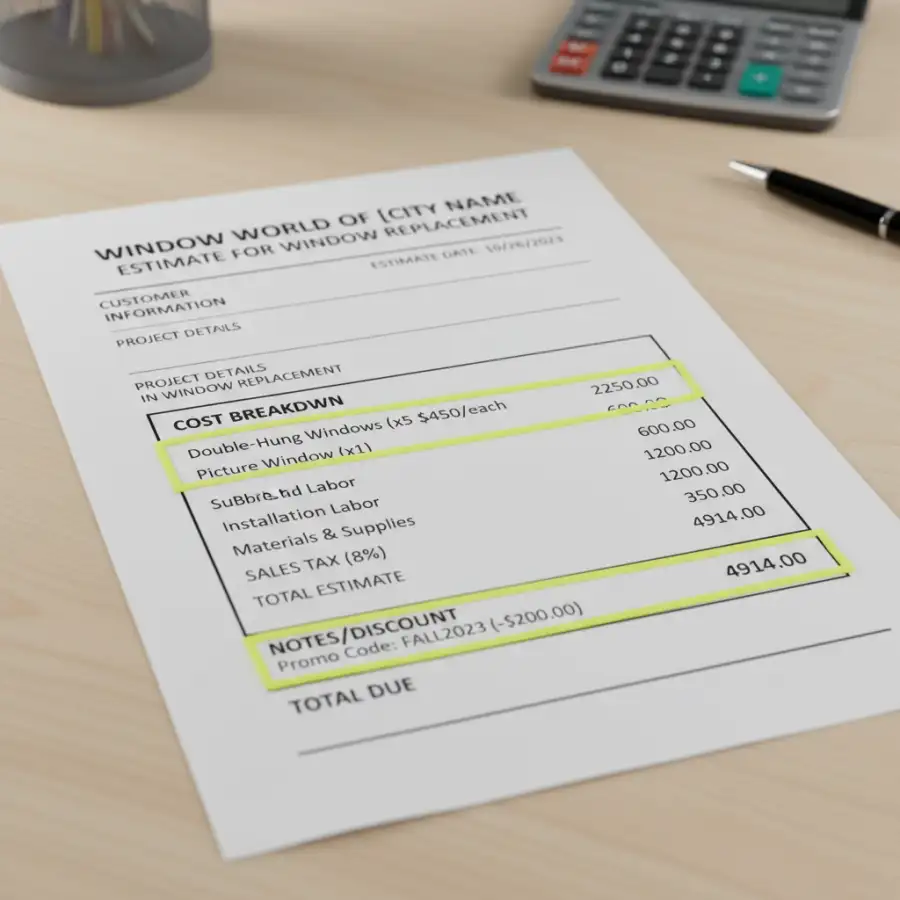
A window replacement quote isn't just a single number; it's a detailed document outlining the scope of work, materials, and associated costs. Understanding each component is vital to truly compare offers and avoid surprises. When you receive a quote, do you know exactly what each line item represents, or does it feel like reading a foreign language?
Key Components You Should Expect
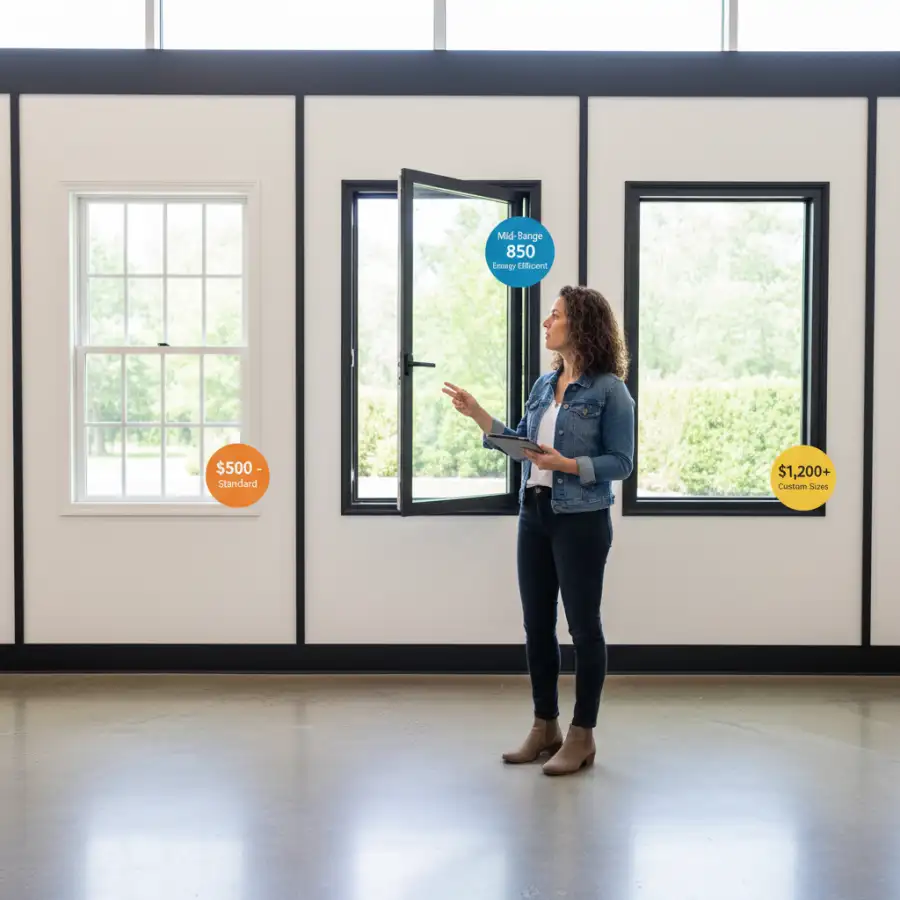
- Window Units (Materials): This is often the largest portion of the cost. It specifies the brand, series, material (vinyl, wood, fiberglass, aluminum), type (double-hung, casement, picture, etc.), size, and number of windows. It should also detail glass packages, such as Low-E coatings, argon or krypton gas fills, and multiple panes (double or triple).
- Installation Labor: This covers the cost of removing old windows, preparing the opening, installing new windows, sealing, insulating, and often includes interior trim work and exterior capping. The complexity of installation (e.g., removing lead paint, dealing with rot, or working on upper floors) will impact this cost.
- Disposal Fees: The cost to properly remove and dispose of your old windows and any construction debris. This might be itemized or bundled into the labor.
- Hardware and Accessories: Includes locks, handles, grilles (muntins), and any specific finishes.
- Permits: Many window replacement projects require local building permits to ensure compliance with safety and energy codes. The cost of these permits is usually passed on to the homeowner and often handled by the installer.
- Sales Tax: Applicable to materials, and sometimes labor depending on local regulations.
- Warranty Information: While not a cost item, a good quote will explicitly mention the product warranty (from the manufacturer) and the labor/installation warranty (from the installer).
Understanding U-Factor, SHGC, and Visible Transmittance
Beyond the basics, a quality quote will often list energy performance ratings:
- U-Factor: Measures how well a window prevents heat from escaping. A lower U-factor means better insulation.
- Solar Heat Gain Coefficient (SHGC): Measures how much solar radiation passes through the window and becomes heat. A lower SHGC is better for cooling climates, while a higher SHGC suits heating climates.
- Visible Transmittance (VT): Measures how much visible light passes through the window. A higher VT means more natural light.
These metrics are critical for assessing a window's energy efficiency and how it will perform in your specific climate. Always aim for windows certified by ENERGY STAR® for optimal performance.
Key Factors Driving Your Window Replacement Cost
The price of a window replacement project is influenced by a multitude of interconnected factors. Understanding these elements empowers you to make informed choices that balance your budget with your desired outcome. What specific choices within materials, styles, and installation methods cause significant swings in your overall project cost?
1. Window Material
- Vinyl: Generally the most affordable option, offering good energy efficiency and low maintenance.
- Wood: Offers superior insulation and aesthetic appeal but comes at a higher cost and requires more maintenance. Often used in historic homes or for premium finishes.
- Fiberglass: A premium, durable, and highly energy-efficient option. It's more expensive than vinyl but often more stable and durable than wood.
- Aluminum: Less common for residential use, but durable. Offers lower thermal performance than vinyl or wood.
2. Window Type and Style
- Standard Sizes: Double-hung and single-hung windows are usually the most economical due to their common design and ease of manufacturing.
- Specialty Windows: Casement, awning, picture, sliding, and especially bay or bow windows, custom shapes, or very large units, will incur higher costs due to complexity in manufacturing and installation.
3. Glass Options and Energy Efficiency
The glass package significantly impacts both cost and performance:
- Double-Pane vs. Triple-Pane: Triple-pane windows offer superior insulation but are more expensive and heavier.
- Low-E Coatings: These microscopic coatings reflect infrared light, reducing heat transfer while allowing visible light through. Essential for energy efficiency.
- Gas Fills (Argon/Krypton): Inert gases between glass panes improve insulation. Argon is standard; Krypton offers better performance but is more expensive.
- Spacer Technology: Warm-edge spacers reduce heat transfer at the edge of the glass.
4. Installation Type: Insert vs. Full-Frame Replacement
- Insert (Pocket) Replacement: This is generally less expensive as new windows are fitted into existing frames. It's quicker, less disruptive, and preserves interior and exterior trim, but it reduces glass area slightly.
- Full-Frame (New Construction) Replacement: More extensive, as old frames, sashes, and trim are completely removed down to the studs. This allows for thorough inspection of the opening, addressing rot or water damage, and maximizing glass area. It's more labor-intensive and costly but often provides a superior, long-lasting seal and can be beneficial if structural issues are present.
5. Labor and Regional Factors
Labor costs vary based on geographic location, the complexity of the job, and the specific installer's rates. Projects involving multiple stories, difficult access, lead paint abatement, or extensive carpentry work will naturally be more expensive. Your location's cost of living and local market demand also play a role.
Decoding the Numbers: How to Interpret Your Exterior Window Replacement Quote
Receiving multiple quotes can quickly become overwhelming if you don't have a systematic approach to interpreting them. The goal is to compare "apples to apples" to ensure you're making an informed decision, not just choosing the lowest price. How do you move beyond the total cost to truly understand the value and scope of each window replacement proposal?
Comparing Apples to Apples: A Crucial First Step
This is the most critical aspect of quote comparison. Ensure that each quote specifies:
- Identical Window Count and Sizes: Confirm every quote includes the same number of windows, measured precisely.
- Matching Window Types: Are all quotes for double-hung, casement, or other specific types?
- Equivalent Materials: Is it vinyl from one, and wood from another? This is a fundamental difference in cost and performance.
- Same Glass Package: Low-E, argon gas, double-pane? Triple-pane? Make sure these energy-efficiency features are consistent.
- Identical Installation Method: Are all quotes for insert replacement, or are some proposing full-frame? This is a major cost differentiator.
- Included Trim and Finishing: Does the quote include interior trim work, exterior capping (aluminum or vinyl wrapping around the window frame), and caulking? A low quote might omit these crucial finishing details.
- Disposal of Old Windows: Is this explicitly included, or will you be responsible for it?
Any discrepancy in these areas can drastically alter the final price and the true value of the offer. For a deeper comparative analysis, especially when considering higher-end solutions, refer to resources like an article on luxury window replacement, which can detail the nuances of premium options.
Understanding Warranties
A reputable window quote will detail both the manufacturer's product warranty and the installer's labor warranty. Review these carefully:
- Product Warranty: Covers defects in the window unit itself (frame, glass, hardware). Look for lifetime warranties on frames and non-prorated glass breakage clauses.
- Installation/Labor Warranty: Covers the quality of the installation work. A strong labor warranty (e.g., 10 years or lifetime) is a testament to the installer's confidence in their craftsmanship.
Poor warranties are a red flag, as they can leave you exposed to costly repairs down the line.
Scrutinizing the Fine Print and Hidden Costs
Always read the entire quote, not just the bottom line. Watch out for:
- Change Order Clauses: What happens if unexpected issues (like rot behind the old frame) are discovered? How are additional costs handled?
- Payment Schedule: What deposit is required? What are the payment milestones?
- Clean-up: Is debris removal and site cleanup included?
- Financing Details: If financing is offered, understand the interest rates, terms, and any associated fees.
What This Means for You
Armed with a deep understanding of window replacement quotes, you transition from a potentially overwhelmed consumer to an empowered project manager for your home. This knowledge isn't merely theoretical; it directly translates into tangible benefits and peace of mind. How does a clear grasp of quotes directly transform your decision-making process into a confident, value-driven investment?
Firstly, the ability to dissect and compare quotes empowers you to avoid costly mistakes. No longer will you fall prey to misleadingly low initial prices that hide essential components or inadequate installation. You can confidently identify truly comprehensive proposals, negotiate effectively, and ensure that every dollar you spend contributes to a high-quality, long-lasting window upgrade, rather than unforeseen expenses or subpar results.
Secondly, a thorough understanding allows you to make decisions that genuinely align with your priorities. Whether your primary concern is maximum energy efficiency, specific aesthetic appeal, or balancing budget with performance, you can select windows and an installer that perfectly match your vision. This ensures that the final result isn't just new windows, but a strategic enhancement that improves your home's comfort, functionality, and long-term value, rather than a compromise driven by confusion.
Ultimately, this comprehensive guide means you approach your window replacement project with confidence and clarity. The process, often viewed as daunting, becomes manageable and even enjoyable. You gain the assurance that your investment is sound, your home is being upgraded with care, and you've made the best possible choice for your property and your family's comfort. This informed approach transforms a complex renovation into a seamless and rewarding experience, leading to windows that perform beautifully for decades.

Navigating the Sales Process: Best Practices for Getting Quotes
The process of obtaining window replacement quotes can be as varied as the companies themselves. Some offer quick online estimates, while others prefer lengthy in-home consultations. Navigating this landscape effectively ensures you gather all necessary information without feeling pressured. How do you manage the initial engagement with installers to ensure you receive clear, actionable, and comparable proposals?
1. Get Multiple Quotes (Minimum of Three)
This is non-negotiable. Obtaining at least three, preferably five, detailed quotes from different companies is the only way to get a realistic sense of market pricing, compare product offerings, and assess different installation approaches. A single quote gives you no frame of reference; two may be outliers. Multiple quotes reveal trends and help you identify fair pricing. While the focus here is residential, understanding the broad spectrum of options, including those for commercial window replacement, can sometimes offer context on installation complexities or specific product lines, though the quotes themselves will differ significantly.
2. Be Specific About Your Needs
Before contacting installers, have a clear idea of what you want. What window types? What materials? What level of energy efficiency? The more specific you are, the more accurate and comparable your quotes will be. Provide the same information and requests to every company. If you're open to suggestions, ask each installer to provide options, but ensure they also quote your baseline preference for direct comparison.
3. Ask the Right Questions During Consultations
Don't be afraid to probe. During in-home consultations, ask:
- What specific window brands and series do you offer?
- What are the U-factor, SHGC, and VT ratings for these windows?
- Is this quote for an insert or full-frame replacement? Why do you recommend this method for my home?
- What is your installation warranty?
- How long have you been in business?
- Are your installers employees or subcontractors? Are they certified and insured?
- Can you provide references or examples of similar projects you've completed?
- What is the estimated timeline for installation, from order to completion?
- What happens if unexpected issues (e.g., rot, lead paint) are discovered during installation? How are these costs handled?
4. Avoid High-Pressure Sales Tactics
Be wary of installers who push for an immediate decision, offer steep "today-only" discounts, or refuse to provide a detailed written quote for you to review at your leisure. Reputable companies understand that window replacement is a significant investment and will give you time to make an informed choice. Trust your instincts; if a sales pitch feels uncomfortable, it's likely not the right fit.
5. Evaluate Installer Reputation and Credentials
Beyond the quote itself, research the company's reputation. Check online reviews (Google, Yelp, BBB), look for industry affiliations or certifications (e.g., AAMA, NFRC), and verify their licensing and insurance. A stellar quote from a company with a poor reputation for customer service or installation quality can lead to long-term headaches. Remember, your windows are only as good as their installation.
Risks, Trade-offs, and Blind Spots
While a well-informed approach to window replacement quotes can mitigate many issues, there are still inherent risks, necessary trade-offs, and common blind spots that homeowners must acknowledge. A seemingly advantageous decision on paper can sometimes lead to unforeseen complications. What important details might be overlooked in the pursuit of a great deal, potentially turning a smart investment into a source of frustration?
The Risk of the Cheapest Quote
The most appealing offer is often the cheapest one, but this can be a significant risk. A rock-bottom price might indicate several underlying issues: lower quality windows, inexperienced or uninsured installers, cut corners in the installation process, or a lack of comprehensive warranties. The trade-off is often between immediate cost savings and the long-term durability, energy efficiency, and peace of mind that come with a higher-quality product and professional installation. Windows are a long-term investment; sacrificing quality for a minimal upfront saving can lead to higher utility bills, premature failures, and costly repairs down the line.
Trade-offs Between Price, Performance, and Aesthetics
You can't have everything for the lowest price. There's an inherent trade-off triangle between cost, energy performance, and aesthetic appeal. For example, high-end wood windows offer superior aesthetics and insulation but come at a premium. Vinyl is cost-effective and energy-efficient but may not offer the same high-end look. Triple-pane glass boosts performance but increases cost and weight. A common blind spot is expecting top-tier performance and aesthetics at a budget price. The key is to consciously decide where your priorities lie and understand that compromising on one aspect will impact the others.
Ignoring the Importance of Installation Quality
Even the most expensive, highest-quality windows will underperform if installed improperly. Poor installation can lead to drafts, water leaks, operational issues, and premature failure of the window unit. A common blind spot is focusing solely on the window product itself and neglecting to thoroughly vet the installer's reputation, experience, and warranty on their workmanship. The best windows with a shoddy installation become merely expensive problems. The trade-off of saving on labor costs by choosing a less experienced installer is often a higher risk of installation defects and subsequent issues.
Overlooking Comprehensive Warranties
Warranties are your long-term protection. A significant blind spot is not thoroughly understanding both the product warranty (from the manufacturer) and the labor warranty (from the installer). Some warranties are pro-rated, meaning their value decreases over time. Others might have exclusions that you're not aware of. A good warranty covers parts, labor, and glass breakage for a substantial period. The trade-off of a seemingly cheaper window or installation might be a weak warranty that leaves you exposed to significant out-of-pocket expenses for future repairs.
Not Accounting for Lead Times and Project Delays
The window replacement process isn't instant. Manufacturing custom windows can take weeks, and permitting can add further delays. A blind spot is having unrealistic expectations about the project timeline, which can lead to frustration and inconvenience, especially if you have a specific deadline. Factor in potential delays, especially during peak seasons. The trade-off is often between waiting longer for a quality product and installation versus rushing a job that might not meet expectations.
Making Your Final Decision: A Checklist for Confident Selection
After meticulously gathering and analyzing your exterior window replacement quotes, the final decision looms. This isn't just about choosing a product; it's about selecting a partner for a significant home upgrade that will impact your comfort, energy bills, and property value for decades. With all the information at your fingertips, what final considerations strengthen your confidence in your chosen windows and installer?
Step 1: Review and Re-compare Quotes Systematically
Lay out all your itemized quotes side-by-side. Use a checklist to ensure you are comparing identical scope, materials, glass packages, and installation methods. Highlight any discrepancies and clarify them with the respective contractors. Ensure all proposed windows meet ENERGY STAR® criteria for your climate zone, which often contributes to a significant home value boost.
Step 2: Re-Evaluate the Installer's Reputation and References
Even if their quote is competitive, revisit your research on the installer. Check recent reviews, their standing with the Better Business Bureau, and any professional certifications. Contact references they provided, asking about their overall experience, communication, adherence to timelines, and post-installation support. A strong relationship with a trustworthy installer is invaluable.
Step 3: Understand the Financing and Payment Terms
If you're financing the project, ensure you fully understand the interest rates, loan terms, and any fees. If paying cash, clarify the deposit amount and the schedule for remaining payments. Avoid paying for the entire project upfront. A reputable company will typically require a deposit (e.g., 25-50%) and final payment upon satisfactory completion.
Step 4: Confirm All Contract Details
Before signing anything, ensure the contract explicitly outlines everything from the quote: window brands, models, sizes, glass specifications, total cost, payment schedule, installation method, warranties (product and labor), estimated start and completion dates, and responsibilities for site cleanup and debris removal. No verbal promises should be left out of the written agreement.
Step 5: Trust Your Gut
Beyond all the facts and figures, a significant part of the decision comes down to your comfort level with the company and their representatives. Did they answer your questions thoroughly? Did they seem knowledgeable and trustworthy? Did they listen to your needs? This is a substantial investment, and you should feel confident and respected throughout the process. If something feels off, it's often a sign to explore other options.
Main Points
Successfully navigating your exterior window replacement project depends on a thorough understanding of the quotes you receive. Here are the core takeaways to guide your informed decision:
- Dissect Every Quote: Go beyond the total cost; carefully examine line items for window units (material, type, glass), installation labor, disposal fees, permits, and hardware.
- Understand Cost Drivers: Recognize that window material, type, glass package, and installation method (insert vs. full-frame) are the primary factors influencing your overall project cost.
- Compare Apples-to-Apples: Ensure all quotes specify identical window count, sizes, types, materials, glass packages, and installation methods to enable a fair comparison.
- Prioritize Warranties: A strong product warranty (manufacturer) and labor warranty (installer) are crucial for long-term peace of mind and protection against future issues.
- Get Multiple Bids: Always obtain at least three detailed, itemized quotes from different reputable installers to understand market pricing and diverse offerings.
- Ask Probing Questions: During consultations, inquire about installer experience, certifications, insurance, references, and how unexpected issues will be handled.
- Beware of Red Flags: Avoid high-pressure sales tactics or quotes that lack detail; reputable companies provide transparency and time for consideration.
- Vet the Installer, Not Just the Window: The quality of installation is as critical as the quality of the window itself. Research their reputation and review their credentials thoroughly.
Equipped with this comprehensive guide, you are ready to confidently navigate the window replacement process. Start gathering your detailed quotes today to transform your home with beautiful, energy-efficient new windows.