

Navigating the Expense: Your Comprehensive Guide to Roof Replacement Cost
Understanding What Drives the Price, How to Estimate, and When to Invest in Your Home's Critical Shield
The thought of replacing your home's roof can feel overwhelming, especially when faced with varying estimates and hidden complexities. How do you find clarity in a sea of numbers?
From the choice of materials to the unique contours of your home, countless factors shape the final cost. What crucial information are you missing that could drastically alter your budget?
A new roof is a significant investment in your home's longevity and value, but understanding its true expense demands a deeper look than surface-level figures. How can you confidently plan for this essential upgrade?
Your roof is much more than just shingles and beams; it's your home's first line of defense against severe weather, a key component of its energy efficiency, and a major factor in its curb appeal and overall value. Over time, however, every roof reaches the end of its serviceable life, necessitating a replacement. For many homeowners, the "roof replacement cost" is a top concern, often shrouded in uncertainty due to the numerous variables involved. It's a significant investment, and understanding the factors that influence the price is crucial for effective budgeting and decision-making.
This guide demystifies roof replacement costs, exploring average expenses, the primary drivers behind pricing fluctuations, and practical methods for estimating the cost for your specific property. We will examine the impact of material choices, labor rates, geographical location, and roof complexity, while also addressing the tell-tale signs that indicate a roof replacement is imminent. By providing clear insights and practical advice, this article empowers you to approach your roof replacement project with confidence, ensuring a sound investment that protects your home for decades.
Quick navigation
- Understanding the Core: What Drives Roof Replacement Cost?
- Material Choices: Impact on Your Roof Replacement Budget
- Beyond Materials: The Influential Factors of Labor, Location, and Complexity
- When to Replace: Recognizing the Signs Your Roof Needs Attention
- Estimating for Your Home: Calculating Roof Replacement Cost by House Size
- What this means for you
- Risks, trade-offs, and blind spots
- Main points
Understanding the Core: What Drives Roof Replacement Cost?
The average cost of a roof replacement can vary dramatically, typically ranging from $8,000 to $25,000, with some premium projects extending well beyond this. These figures often translate to a "cost of roof replacement" of $400 to $800 per roofing square (one roofing square equals 100 square feet), but this is a broad average that needs to be broken down. Several key factors fundamentally shape these numbers, creating a customized price for every homeowner.
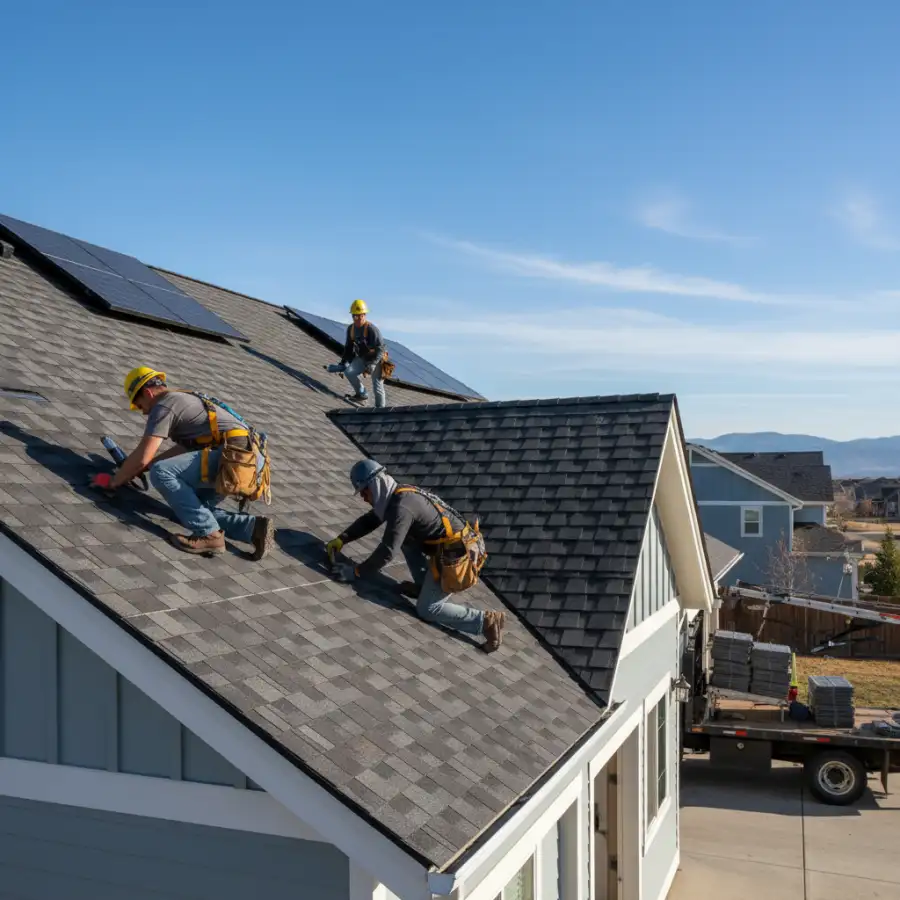
The primary drivers of roof replacement cost include:
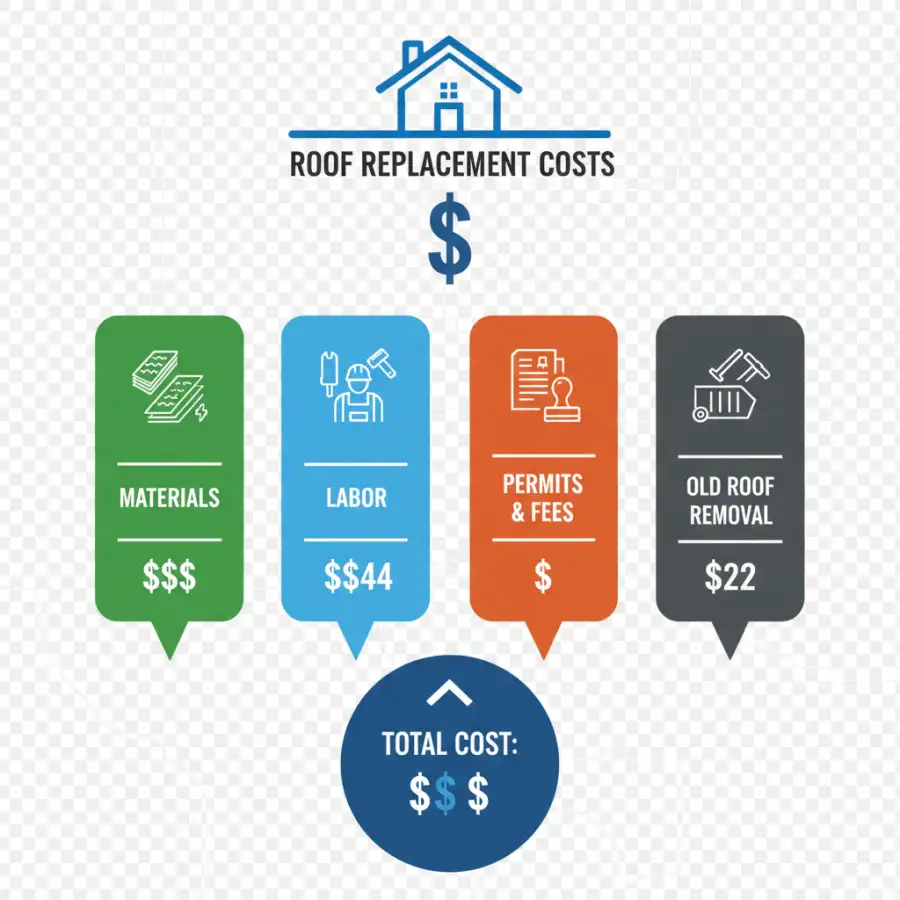
- Roofing Material: This is the most significant cost differentiator. Options range from economical asphalt shingles to premium materials like slate or metal, each with its own price point, durability, and aesthetic.
- Roof Size: Naturally, a larger roof requires more materials and labor, directly increasing the total cost. However, the cost per square foot can sometimes slightly decrease on very large, straightforward roofs due to economies of scale in material purchasing and labor efficiency.
- Roof Complexity: The architectural design of your roof plays a crucial role. A simple gable roof with few angles and penetrations will be less expensive to replace than a complex roof with multiple valleys, dormers, skylights, or chimneys. Each feature adds to the labor time and requires more intricate flashing and sealing.
- Labor Costs: The cost of skilled labor fluctuates by geographic region, reflecting local demand, cost of living, and the specialized expertise required for different materials. Removing old roofing and installing new materials are labor-intensive tasks that constitute a significant portion of the total bill.
- Geographic Location: Beyond labor rates, location affects material availability, transportation costs, local permitting fees, and building codes (e.g., hurricane-resistant requirements in coastal areas). These regional differences can lead to substantial variations in overall project costs.
- Old Roof Removal: The process of tearing off the old roof and disposing of the debris adds to the labor and waste removal fees. If there are multiple layers of existing shingles, this complexity and weight can further increase costs.
By understanding these foundational elements, you can begin to see why a generalized "cost of roof replacement" figure is rarely applicable to any specific home. Is a higher initial investment always a guarantee of better quality and longer lifespan, or are there hidden nuances?
Material Choices: Impact on Your Roof Replacement Budget
The material you choose for your new roof profoundly impacts both the upfront cost and its long-term performance and lifespan. An informed decision balances budget constraints with durability, aesthetic preferences, and your home's architectural style. Each material has its own characteristics.
-
Asphalt Shingles
Average Cost: $4.00 - $8.00 per square foot installed (or $400 - $800 per square)
Lifespan: 15-30 years
Asphalt shingles are the most popular choice due to their affordability, ease of installation, and wide range of colors and styles. They are available in 3-tab (most basic), architectural/laminate (more durable and visually appealing), and designer (premium, mimicking slate or wood) options. Architectural shingles represent a good balance of cost and performance for most homeowners. -
Metal Roofing
Average Cost: $8.00 - $18.00 per square foot installed (or $800 - $1,800 per square)
Lifespan: 40-70 years
Metal roofs, including standing seam, corrugated, and metal shingles, offer superior durability, energy efficiency (reflecting solar heat), and a significantly longer lifespan than asphalt. While the initial investment is higher, their longevity and minimal maintenance can result in lower lifetime costs. They are also excellent for resisting high winds and fire. For those interested in sustainable options, metal roofing is a key component of eco-friendly roofing. -
Wood Shakes or Shingles
Average Cost: $6.00 - $15.00 per square foot installed (or $600 - $1,500 per square)
Lifespan: 25-40 years
Wood roofs, often made from cedar, offer a distinctive, natural aesthetic. They are more expensive than asphalt due to material costs and specialized installation, and require more maintenance. Their fire resistance can be a concern unless treated, and local regulations may restrict their use in fire-prone areas. -
Tile Roofing (Clay or Concrete)
Average Cost: $10.00 - $30.00 per square foot installed (or $1,000 - $3,000 per square)
Lifespan: 50-100+ years
Tile roofs provide a beautiful, often Mediterranean or Spanish look, known for extreme durability, fire resistance, and exceptional longevity. Their significant weight often necessitates additional structural reinforcement for your roof, which adds to the overall project cost. Installation is labor-intensive, requiring specialized skills. -
Slate Roofing
Average Cost: $15.00 - $40.00+ per square foot installed (or $1,500 - $4,000+ per square)
Lifespan: 75-200+ years
Slate is the most premium roofing material, offering unparalleled beauty, extreme durability, and a lifespan that can exceed a century. Its high cost is due to the material itself, its substantial weight (requiring structural upgrades), and the highly specialized and labor-intensive installation. Slate is often considered a lifetime investment that adds significant value to historic or high-end homes. For more detailed breakdowns of costs per square, you can explore resources on roof replacement cost per square.
Your choice of material will largely dictate the initial expenditure but also the long-term maintenance and replacement cycle. Is the upfront savings of a cheaper material truly a saving if it means more frequent replacements?
Beyond Materials: The Influential Factors of Labor, Location, and Complexity
While the choice of roofing material is a major cost driver, the total roof replacement cost is also heavily shaped by factors related to installation, location, and your home's unique architectural design. These elements often account for a substantial portion of the overall budget and vary widely between projects.
-
Labor Costs
Labor typically represents 40% to 60% of the total roof replacement cost. This percentage is influenced by several aspects:
- Regional Wage Rates: The cost of skilled labor varies significantly across different states and even within different cities, reflecting local economic conditions and demand for skilled trades.
- Roofing Material: More complex materials like tile or slate require specialized skills and more time to install correctly, leading to higher labor costs. Asphalt shingles are generally quicker and less labor-intensive.
- Project Difficulty: Factors like a very steep roof pitch, multiple layers of old roofing to remove, or extensive underlying damage (e.g., rotten decking) will increase the labor hours and, consequently, the cost.
-
Geographic Location
The location of your property impacts more than just labor rates:
- Permitting and Inspection Fees: Local building departments require permits for most roof replacements to ensure adherence to safety and building codes. These fees vary by municipality and can range from a few hundred to over a thousand dollars.
- Material Availability and Shipping: If specialized materials need to be transported long distances, shipping costs will increase.
- Climate Considerations: Regions prone to extreme weather (heavy snow, hurricanes, high winds) may have stricter building codes, requiring more robust (and often more expensive) materials and installation techniques. For example, specific ice and water barriers are mandatory in cold climates.
- Waste Disposal Fees: The cost of disposing of old roofing materials at landfills can vary significantly by county or state.
-
Roof Complexity and Accessibility
The physical characteristics of your roof play a critical role:
- Roof Pitch (Steepness): A very steep roof is more dangerous and requires additional safety equipment, ropes, and a slower pace, which all increase labor time and cost.
- Roofline Design: Homes with complex rooflines featuring multiple gables, hips, valleys, or dormers are more expensive. Each break in the roof surface requires intricate cutting of materials, additional flashing, and careful sealing to prevent leaks.
- Number of Penetrations: Features like skylights, chimneys, vents, and satellite dishes all create interruptions in the roof plane that require specialized flashing and sealing. More penetrations mean more labor and material costs.
- Accessibility: If your roof is high off the ground, surrounded by dense landscaping, or has limited access for equipment (e.g., dumpsters, material delivery), it can increase labor costs due to added logistical challenges and equipment rental (like scaffolding or cranes).
These detailed considerations highlight that the total cost is a sum of many parts, not just the square footage of your roof. How can you effectively communicate these complex factors to ensure your estimate is truly comprehensive?
When to Replace: Recognizing the Signs Your Roof Needs Attention
Knowing when a roof replacement is truly necessary, rather than just a repair, is a critical decision for homeowners. Delaying a needed replacement can lead to more extensive, costly interior damage, while replacing a functional roof prematurely wastes money. Recognizing the clear signs is key to smart home maintenance.
- Age of Your Roof: This is often the clearest indicator. Most asphalt shingle roofs last 15-30 years, metal roofs 40-70 years, and tile/slate even longer. If your roof is nearing or has exceeded its expected lifespan, even if it looks okay from the ground, it's wise to have it professionally inspected.
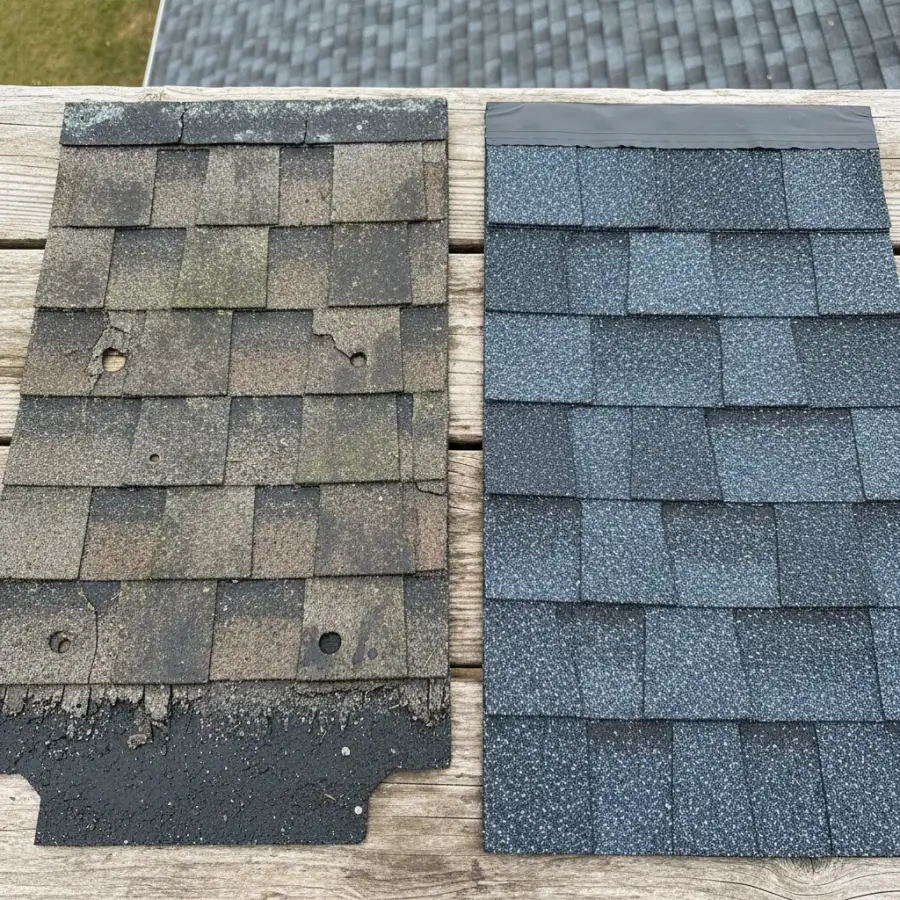
- Curling or Buckling Shingles: Shingles that are curling (edges turning upward or downward) or buckling (wavy appearance) are clear signs that they are no longer lying flat and protecting your home. This indicates they are nearing the end of their life due to sun exposure and weathering.
- Missing Shingles: High winds or old age can cause shingles to detach. Even a few missing shingles compromise your roof's integrity, exposing the underlayment to the elements and increasing the risk of leaks.
- Granules in Gutters: For asphalt shingles, granules protect the shingle from UV rays. If you find a significant amount of shingle granules in your gutters, it indicates the top layer of your shingles is eroding, reducing their effectiveness and signaling advanced wear.
- Cracked Shingles: Cracks in shingles are a direct result of weathering and age. They create pathways for water to penetrate, leading to leaks and potential damage to your roof's decking and interior.
- Dark Streaks or Moss/Algae Growth: While primarily an aesthetic issue, extensive moss or algae growth can retain moisture on the roof surface, potentially degrading shingles over time. Dark streaks (often caused by algae) don't necessarily mean replacement but can indicate an aging roof.
- Water Stains on Ceilings or Walls: This is an undeniable sign of a leak. While minor repairs can sometimes suffice, widespread or recurring leaks often indicate a systemic failure of the roof, necessitating replacement.
- Sagging Roof Deck: A visibly sagging roof deck (the plywood or OSB beneath the shingles) indicates significant structural damage, likely due to prolonged water infiltration or heavy loads (snow, ice). This is a critical issue that requires immediate attention and almost certainly a full replacement with structural repairs.
If you observe any of these signs, particularly a combination of them, it's time to contact a qualified roofing professional for a thorough inspection. Catching these issues early can prevent more extensive and expensive damage down the line. Is proactively addressing these signs an investment, or just another expense?
Estimating for Your Home: Calculating Roof Replacement Cost by House Size
While a professional contractor provides the most accurate estimate, you can perform a preliminary calculation to gauge your potential roof replacement cost. This involves determining your roof's size and applying average cost ranges for materials and labor. Remember, these are estimates; professional quotes will refine them.
Step 1: Determine Your Roof's Square Footage (and Squares)
Your roof's square footage is often larger than your home's heated living area due to roof overhangs and pitch. A common rule of thumb is to multiply your home's ground-level square footage by 1.2 to 1.5, especially for pitched roofs. For example:
- 1,000 sq. ft. house: Roof might be 1,200 - 1,500 sq. ft. (12-15 squares)
- 1,500 sq. ft. house: Roof might be 1,800 - 2,250 sq. ft. (18-22.5 squares)
- 2,000 sq. ft. house: Roof might be 2,400 - 3,000 sq. ft. (24-30 squares)
- 2,500 sq. ft. house: Roof might be 3,000 - 3,750 sq. ft. (30-37.5 squares)
Always convert to "squares" for roofing estimates (1 square = 100 sq. ft.).
Step 2: Choose Your Desired Material and Cost Range
Select your preferred roofing material and note its average installed cost per square from Section 2. For instance, let's use a range for architectural asphalt shingles: $500 - $800 per square.
Step 3: Factor in Complexity (Multiplier)
Apply a complexity multiplier based on your roof's design:
- Simple Roof (Low pitch, few angles/penetrations): Multiply by 1.0 - 1.1
- Moderate Roof (Standard pitch, some dormers/valleys): Multiply by 1.1 - 1.3
- Complex Roof (Steep pitch, many angles/penetrations): Multiply by 1.3 - 1.5+
Step 4: Calculate Your Estimated Base Cost
Multiply (Number of Squares) x (Cost per Square) x (Complexity Multiplier).
Example: For a 1,500 sq. ft. house (approx. 20 squares) with a moderate complexity roof, using architectural asphalt shingles:
- Low End: 20 squares * $500/square * 1.1 = $11,000
- High End: 20 squares * $800/square * 1.3 = $20,800
Step 5: Add a Contingency Fund
Always add 10-20% to your estimated base cost for unexpected issues like rotten decking or upgraded ventilation. For the example above, this would add $1,100 - $4,160.
Total Estimated Range (Example): $12,100 - $24,960
This method gives you a solid preliminary range. For a truly accurate figure, obtaining detailed, itemized quotes from at least three reputable contractors is essential, allowing you to directly compare the specific cost of roof replacement elements. How confident are you now in tackling your own preliminary roof cost calculation?
What this means for you
Understanding roof replacement costs and their influencing factors provides direct, tangible benefits for homeowners. This knowledge empowers you to approach one of the most significant home improvement projects with clarity, confidence, and financial acumen.
Firstly, it means informed and accurate budgeting. No longer will you be guessing about the potential expenses. By understanding how materials, labor, location, and roof complexity contribute to the total, you can build a realistic budget that anticipates not just the visible costs, but also potential hidden issues like damaged decking or necessary ventilation upgrades. This proactive financial planning minimizes stress and prevents unwelcome surprises during the project, helping you maintain control over your finances.
Secondly, you can confidently evaluate and select a trustworthy contractor. Armed with detailed knowledge about cost drivers and red flags, you can ask incisive questions, scrutinize itemized bids, and verify credentials. This ensures you partner with a reputable, licensed, and insured professional who delivers quality workmanship and stands by their guarantees, crucial for the long-term performance and warranty of your new roof. Your informed decision protects your investment.
Finally, this deep understanding contributes to long-term home protection and value. A new roof is not merely an expense; it's an investment in your home's structural integrity, energy efficiency, and overall market value. By making wise choices regarding materials and installation, you ensure your home is well-protected against the elements for decades, potentially reducing future maintenance costs and increasing your property's appeal should you decide to sell. Your diligence today means peace of mind for years to come.
Risks, trade-offs, and blind spots
Even with thorough research into roof replacement costs, several inherent risks, trade-offs, and common blind spots can still impact a homeowner's experience and budget. A comprehensive understanding acknowledges these potential pitfalls for a successful project.
- Choosing Solely on the Lowest Bid: This is perhaps the most significant blind spot. A drastically lower quote often signals compromises: inferior materials, unlicensed or uninsured labor, or cutting corners on critical installation details. The trade-off for initial savings is a higher risk of premature roof failure, leaks, voided warranties, and ultimately, more expensive repairs or even another full replacement much sooner.
- Ignoring Warranties and Fine Print: Homeowners sometimes overlook the nuances of both material warranties (from the manufacturer) and workmanship warranties (from the contractor). A long material warranty is only as reliable as the company behind it, and a short or non-existent labor warranty leaves you exposed to installation defects. Failing to understand these can lead to costly disputes if issues arise.
- Underestimating the Extent of Underlying Damage: While budgeting for a contingency is crucial, the severity of decking rot or other structural damage (e.g., sagging rafters) can sometimes exceed even generous estimates. This can force unexpected, significant expenditures mid-project, which is a key trade-off for not having a comprehensive initial inspection that involves lifting existing shingles.
- Neglecting Proper Attic Ventilation: A common blind spot is focusing solely on the roof surface while ignoring the attic's ventilation system. Inadequate ventilation traps heat and moisture, which can severely shorten the lifespan of your new roofing materials, increase energy bills, and potentially void manufacturer warranties. The trade-off for not upgrading ventilation is a less durable roof and ongoing energy inefficiencies.
- Unlicensed Contractors and Lack of Insurance: Hiring an unlicensed or uninsured contractor is a major risk. Without proper insurance, you could be held liable for any injuries sustained by workers on your property or for damage to your home. Unlicensed work may not meet local building codes, leading to fines or forced re-installation. This trade-off for a lower price exposes you to immense legal and financial jeopardy.
- Delaying Necessary Replacement: Procrastinating a needed roof replacement due to perceived cost can be a false economy. The longer you wait, the more likely small leaks will turn into extensive water damage to insulation, ceilings, walls, and even structural elements, massively increasing the eventual repair and replacement costs. Avoiding immediate expense risks exponential damage.
By staying vigilant against these risks and trade-offs, and prioritizing quality, transparency, and due diligence, you can ensure your roof replacement project is a long-term success, free from costly regrets. What seemingly minor detail could you overlook that might unravel your entire roofing investment?
Main points
Successfully navigating roof replacement costs requires a clear understanding of its many facets. Here are the main points to remember:
- Variable Costs: The average cost of roof replacement ranges from $8,000 to $25,000, significantly influenced by material choice, roof size, and complexity.
- Material is Key: Roofing material type (asphalt, metal, tile, slate) is the primary cost driver, impacting both upfront expense and long-term durability.
- Beyond Materials: Labor rates, geographic location, roof pitch, and the presence of features like dormers and skylights all add to the total "cost of roof replacement."
- Recognize Replacement Signs: Pay attention to curling/buckling shingles, granules in gutters, missing or cracked shingles, and water stains, as these indicate a necessary replacement.
- Estimate Proactively: Use your home's square footage, chosen material's cost per square, and a complexity multiplier to create a preliminary budget, always including a 10-20% contingency for hidden costs.
- Vet Contractors Carefully: Always choose licensed, insured professionals with a strong track record, and obtain multiple detailed, itemized quotes for comparison.
- Avoid Common Pitfalls: Steer clear of low-ball bids, neglecting warranty details, or ignoring the critical role of attic ventilation, as these can lead to significant future problems.
Your roof is your home's most vital protector. By thoroughly researching, planning, and making informed decisions about your roof replacement, you are investing wisely in the safety, efficiency, and lasting value of your property. Empower yourself with knowledge, and ensure your home stands strong for decades.