

Navigating Roof Replacement Cost: A Deep Dive into Factors, Estimates, and Value
Your Essential Guide to Budgeting and Making Informed Decisions for a New Roof
Your roof is aging, and the thought of replacement costs looms large. How can you navigate this significant home investment with confidence and clarity?
From material choices to labor complexities, countless variables impact the final bill. Are you equipped to understand every line item and ensure you're getting true value?
Don't let uncertainty derail your plans. Discover how to plan, budget, and execute a roof replacement that protects your home for decades without unnecessary financial strain.
The roof over your head is more than just a structural element; it's your home's primary defense, safeguarding your family and possessions from the unpredictable forces of nature. Over time, even the most robust roofing systems succumb to wear, tear, and the impact of severe weather, eventually necessitating a full replacement. For many homeowners, the phrase "roof replacement cost" triggers a mix of anxiety and uncertainty, often involving a significant financial outlay that requires careful planning.
This comprehensive guide aims to clarify the complexities surrounding roof replacement costs. We will explore the many factors that influence the total price, from the size and pitch of your roof to the materials you choose and the regional labor rates. Our objective is to equip you with the essential knowledge needed to accurately estimate expenses, understand detailed contractor quotes, and ultimately make an informed financial decision. By understanding these nuances, you can confidently navigate the replacement process, ensuring a durable, high-quality new roof that protects your home and provides lasting peace of mind.
Quick navigation
- Understanding the Core: What Drives Roof Replacement Cost?
- Breaking Down the Numbers: Costs by Material and Roof Type
- Beyond Materials: Labor, Permits, and Hidden Expenses
- What this means for you
- Risks, trade-offs, and blind spots
- The Smart Approach: Getting Accurate Quotes and Budgeting
- Main points
Understanding the Core: What Drives Roof Replacement Cost?
Undertaking a roof replacement project involves more than simply choosing a color; it's a significant investment shaped by a complex interplay of factors. To accurately budget and understand your total roof replacement cost, you must first grasp these core determinants.
The size and complexity of your roof are perhaps the most obvious drivers. A larger roof naturally requires more materials and labor. Beyond sheer square footage, the roof's geometry plays a crucial role. A simple, low-pitch gable roof will be far less expensive to replace than a complex roof with multiple dormers, valleys, hips, and chimneys. Each penetration and change in plane adds labor time and requires specialized flashing work, significantly increasing the overall cost. The type of roofing material you select is another critical factor. Asphalt shingles are typically the most economical option, offering a balance of performance and affordability. However, if you opt for premium materials like metal, slate, concrete tile, or cedar shakes, your material costs will rise considerably. For instance, considering eco-friendly roofing options may also introduce specific material and installation costs that differ from traditional choices.
Your geographical location also profoundly influences the final price. Labor rates vary widely across different regions, reflecting local cost of living, contractor demand, and prevailing wages. Material transportation costs can also fluctuate by region. Furthermore, local building codes and permitting requirements can impact complexity and cost. For example, some areas require specific hurricane strapping or ice and water shield applications that add to the material and labor budget. Finally, the age and current condition of your existing roof dictate the extent of the tear-off and any necessary repairs to the underlying decking or rafters. A completely rotted deck will add substantially to the labor and material costs. Will a seemingly small difference in initial material cost translate into decades of difference in durability and energy savings?
Breaking Down the Numbers: Costs by Material and Roof Type
To truly understand the granular components of your roof replacement cost, it's essential to look at how different materials and roof types influence the price per square foot or per 'square' (a roofing term for 100 square feet). These figures are averages and can fluctuate based on regional factors, but they provide a solid foundation for estimation.
Asphalt Shingles: This is the most popular and budget-friendly option. For a standard asphalt shingle roof replacement, including materials, labor, and disposal of old shingles, you can typically expect to pay between $4.50 and $7.50 per square foot, or roughly $4,500 to $7,500 per square (100 square feet). Premium architectural or designer asphalt shingles will fall at the higher end of this range. Metal Roofing: While a higher upfront investment, metal roofs offer exceptional durability and longevity. Costs for metal roof replacement generally range from $8.00 to $15.00 per square foot, or $8,000 to $15,000 per square, depending on the type of metal (steel, aluminum, copper) and profile (standing seam, corrugated). The initial higher cost is often offset by a longer lifespan and potential energy savings.
Tile Roofing (Clay or Concrete): These materials provide a distinctive aesthetic and excellent longevity but come with a substantial cost. Tile roof replacement typically runs from $10.00 to $25.00 per square foot, or $10,000 to $25,000 per square. The weight of tile often requires additional structural reinforcement, adding to the total cost. Slate Roofing: Considered a premium, luxury option, slate is incredibly durable, lasting over 100 years. However, its cost is significantly higher, ranging from $15.00 to $35.00 per square foot, or $15,000 to $35,000 per square. The installation of slate requires highly specialized skills and craftsmanship. Flat Roofing (TPO, EPDM, PVC): Common for commercial buildings and some residential designs, flat roof replacement costs generally range from $5.00 to $10.00 per square foot, or $5,000 to $10,000 per square, depending on the membrane type and insulation requirements. For a more detailed breakdown of how to estimate based on roof size, considering the roof replacement cost per square is particularly useful. Does choosing a more expensive material truly justify the upfront investment, or are the long-term benefits just an illusion?
Beyond Materials: Labor, Permits, and Hidden Expenses
While roofing materials represent a significant portion of the roof replacement cost, they are far from the only line item. A thorough understanding requires acknowledging the crucial roles played by labor, administrative fees, and those often-overlooked hidden expenses that can quickly inflate your final bill.
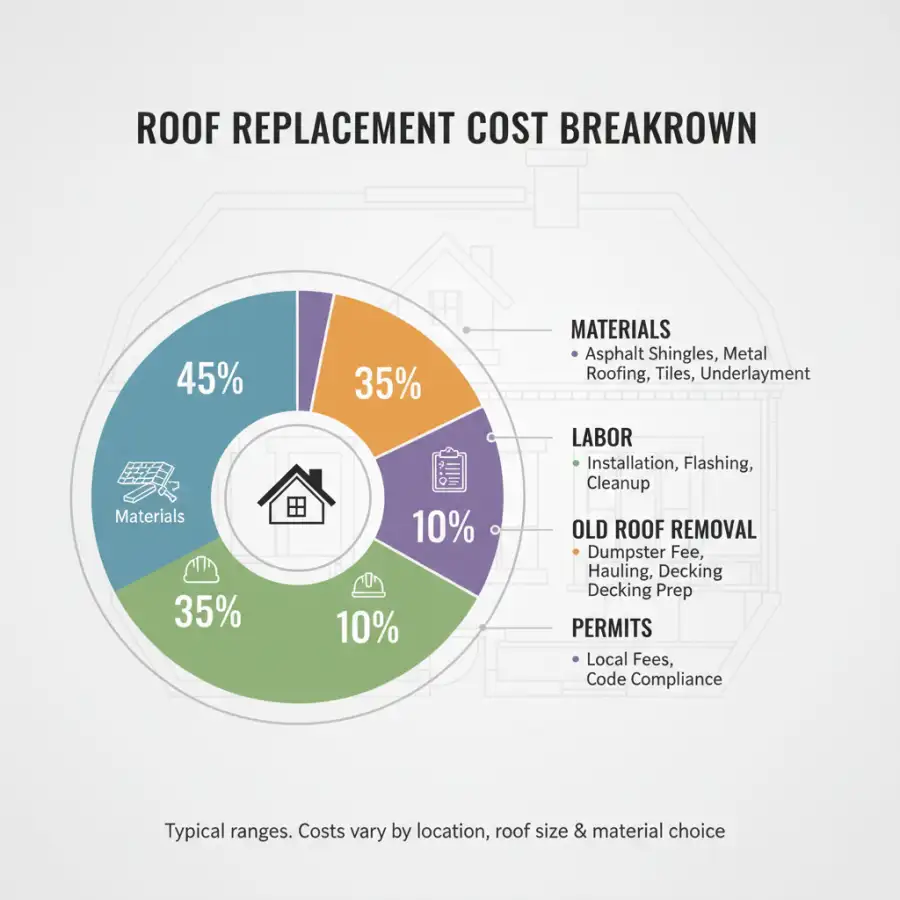
Labor costs typically account for 40-60% of the total project. This isn't just about the physical installation of new shingles or panels; it includes the preparation work, tear-off of old materials, hauling away debris, and meticulous finishing touches. The complexity of your roof (steep pitch, multiple levels, intricate design features like dormers or skyllights) will directly impact the labor hours required. Specialized materials, like slate or metal, also demand highly skilled labor, which comes at a premium. Regional labor rates, influenced by local cost of living and contractor demand, further contribute to this variability. For example, a roofer in a high-cost urban area will charge more per hour than one in a rural setting.
Permits and Inspections are non-negotiable legal requirements in almost all jurisdictions. The cost of these permits varies, typically ranging from $100 to $500, but they ensure your roof replacement adheres to local building codes and safety standards. Skipping permits can lead to fines, difficulties with insurance claims, and even future resale complications. Then there are the potential hidden expenses. The most common is decking repair or replacement. Once the old roof is torn off, hidden water damage, rot, or structural weaknesses in the underlying plywood or OSB decking may be uncovered. This unexpected work can add hundreds to thousands of dollars to the project. Other potential hidden costs include unforeseen chimney repairs, extensive flashing replacement beyond what was initially quoted, or specialized disposal fees for hazardous materials like asbestos if found in older roofs. Always ask your contractor about their protocol for handling unexpected findings and how such costs will be communicated and approved before work proceeds. Is a seemingly low bid truly inclusive, or is it merely masking a host of inevitable add-on charges?
What this means for you
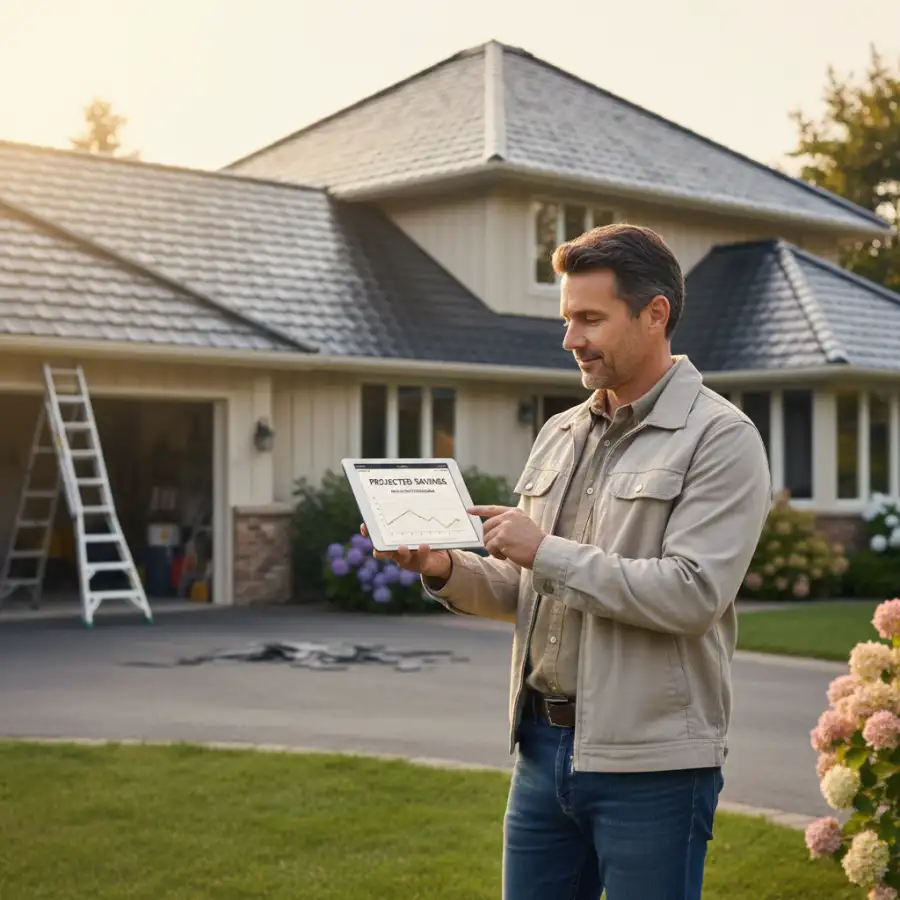
Understanding the intricacies of roof replacement cost is not just about numbers; it's about empowering you, the homeowner, to make one of the most critical decisions for your property with confidence and clarity. This detailed look at factors and budgeting directly benefits your home and your wallet.
Firstly, it means informed decision-making. Instead of feeling overwhelmed by quotes, you'll be able to dissect them, recognizing fair pricing, identifying potential red flags, and asking pointed questions that demonstrate your knowledge. This transforms you from a passive recipient of services to an active, engaged client. Secondly, it enables proactive budgeting. Knowing the typical cost ranges for different materials and the potential for hidden expenses allows you to set aside appropriate funds, preventing financial stress and ensuring the project proceeds smoothly. This foresight is invaluable for such a significant home investment.
Beyond the immediate financial aspects, a well-executed roof replacement, informed by this understanding, offers enhanced protection and longevity for your home. A new roof, correctly installed with quality materials, guards against leaks, improves energy efficiency, and provides superior defense against harsh weather, ultimately extending the lifespan of your entire structure. It also significantly boosts your home's curb appeal and resale value. A new roof is a major selling point, signaling to potential buyers that the home has been well-maintained and won't require immediate costly upgrades. Ultimately, this knowledge ensures your investment is sound, durable, and contributes to the long-term health and value of your most cherished asset. How will this newfound understanding empower you to protect your investment and secure peace of mind for decades to come?
Risks, trade-offs, and blind spots
Even with thorough preparation, navigating a roof replacement project presents inherent risks, trade-offs, and subtle blind spots that homeowners must actively acknowledge. Ignoring these potential pitfalls can quickly lead to costly mistakes, compromised quality, and unnecessary stress.
One of the most significant risks is the temptation to prioritize the lowest bid, often from uninsured or unlicensed contractors. While seemingly a cost-saving measure, this choice is fraught with danger. Poor workmanship can lead to immediate failures and recurring leaks, while the lack of proper insurance leaves you vulnerable to liability if workers are injured on your property. Furthermore, an unlicensed contractor may not pull the necessary permits, creating legal complications and potentially impacting future home sales. This represents a critical trade-off: immediate perceived savings versus long-term financial and legal security. Another trade-off exists between cost and material quality. Opting for the cheapest available shingles or underlayment might save money initially, but it often translates into a shorter lifespan, reduced storm resistance, and potentially higher energy bills over the years. The slightly higher investment in quality materials often pays dividends in durability and performance.
A common blind spot for homeowners is not thoroughly vetting their contractor. Beyond checking licenses and insurance, failing to request references, review past projects, or verify their local reputation can lead to dissatisfaction. Another overlooked area is the potential for hidden damage to the roof deck or underlying structure. While a good contractor will include a clause for this, some may not fully communicate the implications or costs until the old roof is off, leaving you with little room to negotiate. Finally, many homeowners neglect to understand the warranty details fully. Is the warranty offered by the manufacturer or the installer? What specifically is covered, and for how long? A strong, transferable warranty is crucial for protecting your investment, yet it's often skimmed over in the excitement of a new roof. What unseen challenges could arise during your roof replacement, and how will you shield yourself from them effectively?
The Smart Approach: Getting Accurate Quotes and Budgeting
Navigating the complex landscape of roof replacement cost demands a smart, strategic approach, particularly when it comes to soliciting and evaluating quotes. This is where you can significantly influence your final outcome, ensuring you receive fair pricing for quality workmanship.
The cardinal rule is to obtain multiple, detailed quotes—ideally from at least three reputable roofing contractors. These quotes should not be simple bottom-line figures but comprehensive breakdowns. A good quote will itemize the materials (brand, type, quantity, and specific components like underlayment, flashing, vents), labor costs (often broken down by task or 'per square'), debris removal and disposal fees, and any charges for permits and inspections. It should also clearly state the warranty information for both materials and workmanship. Be wary of quotes that are significantly lower or higher than others; too low could indicate cut corners or hidden charges, while too high suggests overpricing.
When preparing for contractor visits, ensure easy access to your property and, if safe, to your attic for a thorough inspection. Document any visible damage yourself with photos. During their assessment, ask pointed questions: What specific materials do they recommend and why? What is their experience with your chosen material? What are their safety protocols? Most critically, discuss their process for handling unforeseen underlying damage. A transparent contractor will explain how they will communicate additional costs for decking repair, for example, and require your approval before proceeding. This prevents unwelcome surprises on the final bill. Also, inquire about their payment schedule and whether they offer any financing options. Remember, the cheapest quote isn't always the best value. A reputable contractor with a slightly higher bid might offer superior materials, a stronger warranty, and peace of mind through proven reliability. Are you truly prepared to scrutinize every detail, or will you let a hasty decision define your roof's future?
Main points
- Roof replacement cost is heavily influenced by roof size and complexity, material choice (asphalt, metal, tile, slate), and geographical location.
- Material costs vary widely, from asphalt shingles ($4.50-$7.50/sq ft) to slate ($15-$35/sq ft), with higher upfront costs often offset by increased durability and longevity.
- Labor typically accounts for 40-60% of the total cost, with complexity and regional rates being significant factors.
- Beyond materials and labor, account for permits, inspections, and potential hidden costs like decking repair or specialized waste disposal.
- Obtain multiple, detailed, itemized quotes from licensed and insured contractors, verifying their experience and understanding warranty specifics.
- Understanding these factors empowers homeowners to budget accurately, make informed material choices, and ensure a quality installation that protects their investment.
- Beware of risks such as uninsured contractors and solely prioritizing the lowest bid, which can lead to poor workmanship, legal issues, and increased long-term costs.
Navigating the complexities of roof replacement cost requires diligence and a clear understanding of all contributing factors. By taking a proactive and informed approach, you can ensure your significant investment results in a durable, reliable, and beautiful new roof that protects your home for decades to come. Don't compromise on quality; choose wisely for lasting peace of mind.