

Preparing Your Home for Roof Replacement Day: The Essential Deep-Dive Checklist
A Step-by-Step Guide to a Smooth, Safe, and Stress-Free Roofing Project
The day your roof gets replaced is a milestone, but are you truly ready for the noise, the debris, and the vital preparations needed? Don't let the process overwhelm you.
A smooth roof replacement starts long before the first shingle comes off. From safeguarding your interiors to protecting your prize-winning petunias, every detail matters.
Imagine avoiding costly damage, unnecessary stress, and frustrating delays simply by knowing what to do. Your essential 'Preparing your home before roof replacement day checklist' starts here.
The decision to replace your roof is a significant one, promising renewed protection and enhanced curb appeal for your home. However, the process itself can be messy, loud, and potentially disruptive if not approached with proper preparation. Preparing your home before roof replacement is not merely a suggestion; it is a critical step that ensures the safety of your property, the efficiency of the roofing crew, and your peace of mind throughout the project. From securing valuable items inside to protecting your cherished landscaping outside, a comprehensive approach minimizes risks and makes the entire operation smoother. This guide provides an in-depth checklist, covering every crucial aspect of home and property preparation, helping you prepare for a smooth and successful roof replacement day.
Quick navigation
- The Pre-Game Plan: Communication and Site Logistics
- Inside Out: Protecting Your Home's Interior
- Outdoor Defense: Securing Your Property and Landscaping
- Managing the Mayhem: Living Through the Installation
- The Final Sweep: Post-Installation Cleanup and Inspection
- What this means for you
- Risks, trade-offs, and blind spots
- Main points
The Pre-Game Plan: Communication and Site Logistics
A smooth roof replacement doesn't just happen; it's the result of diligent planning and open communication between you and your roofing contractor. What vital conversations should you initiate to ensure everyone is on the same page? Weeks before the project begins, confirm the exact start date, estimated completion time, and the crew's typical working hours. This allows you to plan your own schedule, especially if you work from home or have family members who might be sensitive to noise. Discuss the contractor's access requirements: where will they park their vehicles, what pathways will they need clear, and where will materials be delivered and stored? Will a large dumpster be placed on your driveway or lawn, and for how long? Understanding these logistical details prevents unexpected obstacles on day one. Inquire about the placement of portable restrooms for the crew, if applicable, to avoid any awkward situations. A reputable company will proactively discuss these elements, but it's your responsibility to ask for clarification and express any specific concerns about your property's unique layout. Review your contract for any homeowner responsibilities related to site preparation; some contracts specify what you need to move or cover. This preparatory communication is a crucial part of your 'Preparing your home before roof replacement day checklist' and establishes a foundation of trust, making the entire operation smoother and minimizing potential issues during a busy construction period.
.webp)
Inside Out: Protecting Your Home's Interior
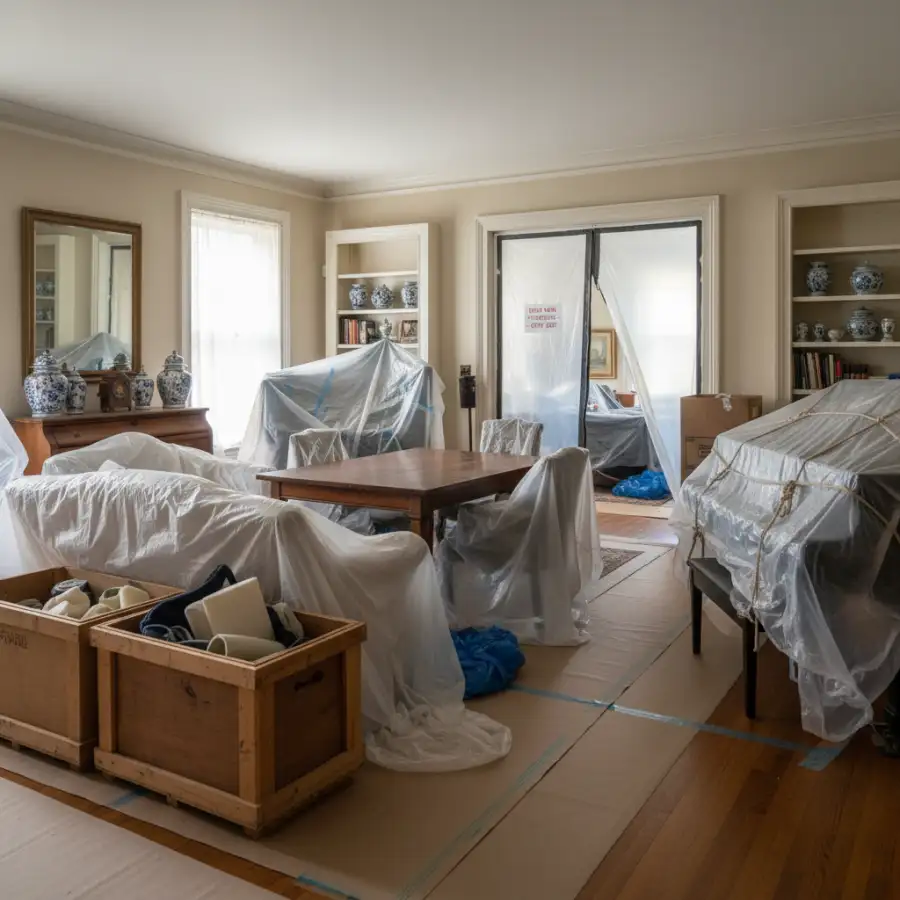
While the actual work happens overhead, the reverberations from hammering and the potential for dust intrusion can significantly impact your home's interior. How can you safeguard your belongings and maintain a semblance of calm inside? Begin by removing all pictures, mirrors, wall-mounted shelves, and delicate decorative items from walls, particularly on the top floor and in rooms directly beneath the roof. The vibrations from the work can easily cause items to shift, fall, or break, even if they seem securely fastened. Pack these away in a safe, interior location. Next, turn your attention to the attic. If you use your attic for storage, cover everything with old sheets, tarps, or plastic sheeting to protect against dust, debris, and insulation particles that may become dislodged. Secure any loose items that could topple over. For very valuable or irreplaceable items, consider temporarily relocating them to another part of the house or even off-site. What about noise and pets? The constant pounding and activity can be highly distressing for animals. If possible, arrange for pets to stay with friends, family, or at a boarding facility for the duration of the work. If they must remain home, keep them in a quiet, interior room, far from windows and the most active work zones, with familiar toys and comfort items. For young children, similar arrangements might be necessary, as the noise can be startling and disruptive to naps or playtime. Close all windows and doors tightly to minimize dust infiltration. While you can't eliminate all noise or dust, these interior preparations are crucial components of 'Preparing your home before roof replacement day checklist' and will go a long way in preserving your sanity and protecting your precious belongings.
Outdoor Defense: Securing Your Property and Landscaping
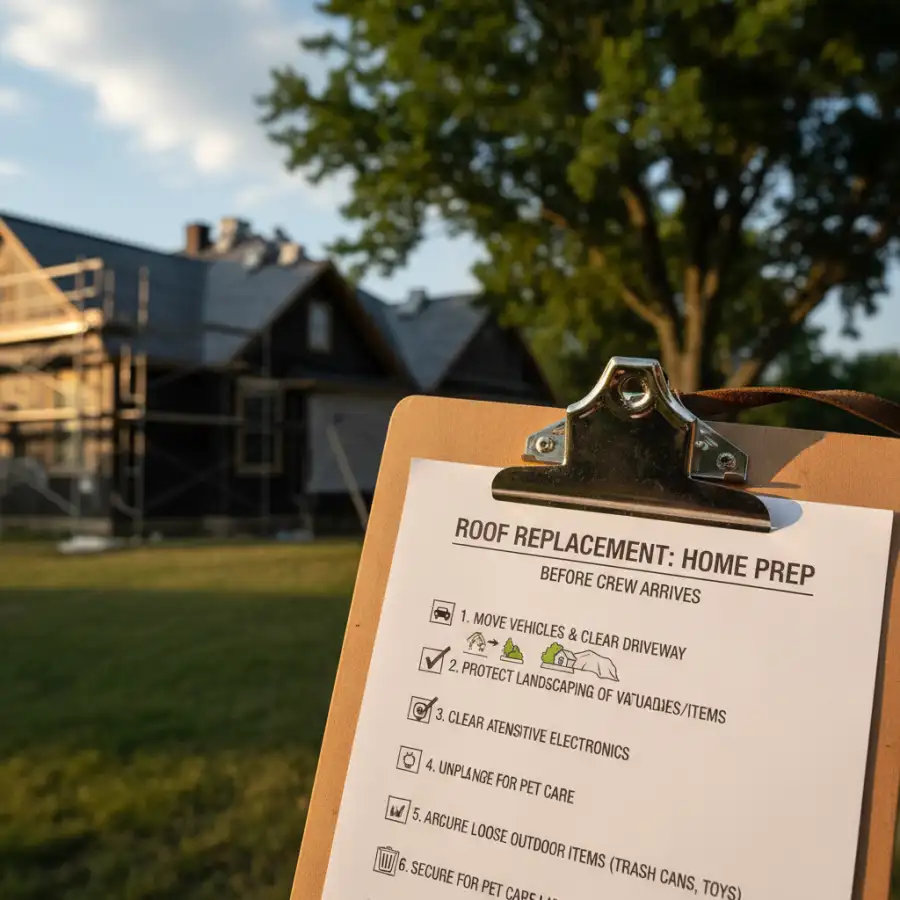
The exterior of your home, including your landscaping and vehicles, is highly vulnerable during a roof replacement. How do you create an effective perimeter of protection against falling debris and heavy foot traffic? The most immediate step is to clear your driveway and any street-side parking of all vehicles. Falling tools, nails, old shingles, or even larger pieces of debris can cause significant and costly damage to cars parked too close. Ensure there's ample space for the roofing crew's trucks, equipment, and the large dumpster that will collect old materials. Next, focus on your yard and gardens. Move all patio furniture, grills, outdoor toys, lawn ornaments, bird feeders, garden sculptures, and anything else that could be damaged, at least 15-20 feet away from the house, or ideally, into a garage, shed, or covered area. Pay particular attention to delicate plants, shrubs, and flowerbeds directly beneath the roofline. While contractors typically lay down tarps, an extra layer of protection with old blankets, plywood sheets, or even temporary fencing around highly sensitive areas can offer invaluable defense. Trim any overhanging tree branches that might obstruct workers or be at risk of damage from falling debris. If you have a swimming pool, cover it with a robust tarp to prevent debris from falling in and clogging filters or damaging the liner. Secure loose gates and ensure any outdoor electrical outlets are easily accessible for the crew's power tools. These proactive measures are essential items on your 'Preparing your home before roof replacement day checklist' and will help prevent damage to your valuable outdoor assets, saving you stress and potential repair costs down the line. A little effort now can prevent a lot of headaches later.
Managing the Mayhem: Living Through the Installation
A roof replacement is a significant construction project, and with it comes a certain level of unavoidable disruption. How can you best navigate the noise, activity, and temporary changes to your home life during the installation period? Firstly, embrace a realistic expectation of noise. The sounds of hammering, tearing, equipment moving, and voices will be constant for several days. If you or family members work from home, consider alternative workspaces, such as a local library, co-working space, or a friend's house, especially during the tear-off phase, which is typically the loudest. Earplugs or noise-canceling headphones can also offer some relief if you must be present. Secondly, prepare for dust and debris. Despite tarps and diligent cleanup efforts, fine dust can still settle on outdoor surfaces and sometimes infiltrate attics or even living spaces. Keep windows closed, and consider covering sensitive electronics inside with sheets. Plan for extra cleaning once the project is complete. Thirdly, consider your daily routines. Will access to certain parts of your yard be restricted? Will the noise interfere with phone calls or virtual meetings? Stock up on easy-to-prepare meals or plan for takeout, as cooking might be disrupted. What if you need to leave the house? Communicate your plans with the site foreman to ensure your departure and return can be managed safely around ongoing work. Ensuring children and pets are kept strictly away from the work zone is non-negotiable for safety. While living through a roof replacement demands flexibility, a proactive mindset, built upon your 'Preparing your home before roof replacement day checklist,' allows you to manage the temporary inconveniences with greater ease and focus on the exciting outcome of a newly protected home.
The Final Sweep: Post-Installation Cleanup and Inspection
The crew has packed up, the new roof gleams, but your job isn't quite finished. What crucial steps should you take immediately after the roof replacement is complete to ensure full satisfaction and safety? The first priority is a thorough cleanup. While professional roofers will perform a comprehensive cleanup, including magnetic sweeps for nails, some stray debris or fasteners can always be missed. Walk around your entire property, including driveways, walkways, gardens, and even the base of your home, carefully looking for any nails, shingle scraps, or other construction debris. Pay special attention to areas around bushes and under eaves. Consider doing your own magnetic sweep for extra peace of mind, especially if you have pets or children who play outdoors. Next, perform a visual inspection of your new roof. From the ground, look for any obvious imperfections, misaligned shingles, or areas that seem incomplete. If you have binoculars, use them to get a closer look. Check all flashing around chimneys, vents, and skylights to ensure it's properly sealed. What if something doesn't look right? Don't hesitate to contact your contractor immediately to address any concerns. A reputable company will conduct a final walk-through with you and rectify any issues promptly. Finally, reconnect any utilities that might have been temporarily disconnected and return outdoor furniture and items to their places. This final phase of your 'Preparing your home before roof replacement day checklist' is essential for ensuring both the aesthetic appeal and the long-term functionality of your new roof, guaranteeing your complete satisfaction with this significant home improvement.
What this means for you
Understanding the complete 'Preparing your home before roof replacement day checklist' equips you with invaluable foresight, transforming a potentially chaotic project into a well-managed project. What does this deep dive into meticulous planning truly signify for you as a homeowner? It means peace of mind, knowing you've taken every reasonable step to protect your property, your family, and your investment. This means fewer unexpected damages, costly delays, and undue stress, allowing the skilled roofing professionals to focus on their work without avoidable obstacles. For you, this guide is an empowerment tool: you move from being a passive recipient of a service to an active, informed participant in a major home improvement. You'll engage with your contractor from a position of knowledge, ensuring you're both on the same page regarding logistics, safety, and expectations. Are you ready to embrace this level of preparation, securing not just a new roof, but also a stress-free project experience that enhances your home's value and longevity? Ultimately, this comprehensive preparation means that the inherent mess and activity of construction will be anticipated and managed, rather than a jarring surprise. It ensures that your property is as secure as possible against the unavoidable impact of heavy construction. By taking these steps, you are not merely preparing for a job; you are ensuring your family's comfort, your property's integrity, and the overall success of one of your home's most vital renovations, making the entire experience as smooth and rewarding as possible.
Risks, trade-offs, and blind spots
Even with the most comprehensive 'Preparing your home before roof replacement day checklist,' every project carries inherent risks, trade-offs, and potential blind spots that homeowners might overlook. What are these less obvious challenges that could still trip you up, despite your best efforts? A significant risk is underestimating the residual vibrations throughout the house, even after removing wall hangings. Some highly sensitive electronics, delicate light fixtures, or items in distant cabinets might still be affected. The trade-off here is absolute protection versus the practical limits of what can be moved; sometimes, accepting a minimal residual risk is necessary. Another blind spot can be failing to communicate *all* unique property features to your contractor. For instance, if you have a cherished rare rose bush close to the foundation, assuming the crew will notice and protect it without specific instruction is a gamble. Are you sure you've shared every piece of critical information about your property's quirks, no matter how minor they seem? The trade-off of not being overly communicative might save you a few minutes, but it could lead to irreparable damage. Furthermore, not properly securing *all* gates or potential escape routes for pets, even if they are typically indoor animals, can be a blind spot. A busy crew might inadvertently leave a gate ajar, leading to a frightening escape. The trade-off of leaving pets at home versus boarding them involves cost and convenience, but the emotional distress of a lost pet is far greater. Another risk involves landscape protection; while tarps help, heavy debris falling from a height can still cause damage, especially to fragile plants. A trade-off might be to invest in more robust plywood sheets over highly valued garden beds instead of just tarps. Finally, the assumption that 'everything will be cleaned up perfectly' is a blind spot. While contractors strive for cleanliness, tiny shards of shingle or stray nails can often be missed in grass or dense foliage. A diligent homeowner's post-project inspection and magnet sweep is a crucial, often overlooked, step to prevent tire punctures or foot injuries. Being aware of these risks, critically evaluating the trade-offs involved in various protective measures, and actively seeking out blind spots will enhance your preparedness, ensuring an even safer and more satisfactory roof replacement experience.
Main points
A successful roof replacement project is a collaborative effort, with homeowner preparation playing a pivotal role. By following a detailed 'Preparing your home before roof replacement day checklist,' you can ensure a smoother, safer, and less stressful experience for everyone involved. What are the absolute essentials to remember as you get ready for this significant home upgrade?
- Communicate Proactively: Confirm timelines, access needs, and debris management with your contractor well in advance.
- Protect Interiors from Vibration: Remove wall hangings, secure delicate items, and cover attic storage to guard against dust and structural tremors.
- Clear and Shield Your Exterior: Move vehicles, patio furniture, and garden items, and protect sensitive landscaping with tarps or plywood.
- Manage Noise and Disruption: Prepare for significant noise and dust; make alternative arrangements for children and pets, and consider staying away during peak work hours.
- Ensure Utility Access: Confirm with your contractor any needs for exterior power outlets or water.
- Plan for Contingencies: Have a post-project clean-up plan, including a thorough nail sweep.
- Stay Engaged and Informed: Maintain open dialogue and address any specific property concerns with your roofing team.
Embrace this comprehensive preparation to transform a potentially disruptive event into a well-planned home improvement. Your diligence now will pay dividends in peace of mind and the lasting quality of your new roof.


