

Reclaiming Your Quiet: A Deep Dive into Noise Reduction Solutions for Your Home
From Windows to Wearables: Comparing Effectiveness, Costs, and Your Path to Serenity
Do relentless traffic, boisterous neighbors, or persistent urban hum constantly intrude on your peace, making your home feel less like a sanctuary and more like a battleground against sound? Unwanted noise isn't just an annoyance; it's a persistent threat to your well-being.
With a myriad of solutions promising relief, from advanced window technologies to clever personal devices, how do you discern which methods truly deliver on their promise of quiet, and which are simply ineffective distractions? Your quest for serenity deserves targeted, impactful answers.
This comprehensive guide cuts through the confusion, comparing various noise reduction strategies, their costs, and their effectiveness, empowering you to make informed decisions that transform your living space into a truly peaceful haven.
In our increasingly connected and urbanized world, the sanctity of a quiet home has become a coveted luxury. Whether it's the roar of traffic, the incessant chatter of neighbors, or simply the hum of everyday life, unwanted noise can severely impact our comfort, concentration, and overall quality of life. The search for effective **noise cancelling** solutions is more pressing than ever, spanning a wide range of strategies from significant structural home improvements to innovative personal devices. This deep-dive guide is designed to help you navigate this complex landscape, offering a comprehensive comparison of various noise reduction methods.
We will explore how noise infiltrates our spaces, dissecting the mechanisms of sound transmission and absorption. From optimizing your windows, often the weakest link in a home's sound barrier, to implementing whole-home soundproofing strategies and leveraging personal noise-cancelling technologies, we aim to provide a holistic understanding. By evaluating the effectiveness and costs associated with each approach, you will be empowered to make informed decisions that directly address your specific noise problems, ultimately reclaiming the peace and quiet you deserve within your own four walls.
Quick navigation
- The Invisible Intruder: Understanding Noise and Its Impact
- First Line of Defense: Optimizing Your Windows for Soundproofing
- Beyond Windows: Whole-Home Noise Reduction Strategies
- Personal Sanctuaries: The Power of Noise-Cancelling Technology
- What this means for you
- Risks, trade-offs, and blind spots
- Main points
The Invisible Intruder: Understanding Noise and Its Impact
Before we can effectively combat unwanted noise, we must first understand it. Noise isn't just an audible disturbance; it's a complex phenomenon that travels through various mediums and impacts us on multiple levels. Fundamentally, noise is unwanted sound, characterized by its frequency (pitch) and amplitude (loudness, measured in decibels, dB). Common sources of noise pollution include external factors like heavy traffic, construction, airplanes, and boisterous neighbors. Internally, appliances, plumbing, and even conversations can create unwelcome soundscapes. The way sound travels through a building is a critical concept: it can be airborne (through the air, like voices) or structure-borne (through solid materials, like footsteps on a floor above).

The impact of persistent noise extends far beyond simple annoyance. Chronic exposure to high levels of noise can have significant negative effects on our physical and mental well-being. It disrupts sleep patterns, leading to fatigue, irritability, and reduced cognitive function. Studies have linked prolonged noise exposure to increased stress levels, higher blood pressure, and even cardiovascular issues. For those working from home or seeking a peaceful retreat, noise interferes with concentration, reduces productivity, and diminishes overall quality of life. When the world outside infiltrates your personal space, doesn't it fundamentally diminish your sense of peace and privacy?
Understanding these impacts underscores the necessity of effective noise reduction. It’s not just about silencing a nuisance; it’s about protecting your health, enhancing your comfort, and preserving the tranquility of your home. Addressing noise effectively involves more than just a quick fix; it requires a strategic approach that considers the source, pathway, and desired level of attenuation. By recognizing noise as a genuine threat to well-being, we can better appreciate the value and necessity of robust soundproofing solutions.
Whether the disruption comes from distant sirens or a nearby air conditioner, acknowledging the tangible harm of unwanted sound is the first step toward reclaiming your quiet and improving your living environment.
First Line of Defense: Optimizing Your Windows for Soundproofing
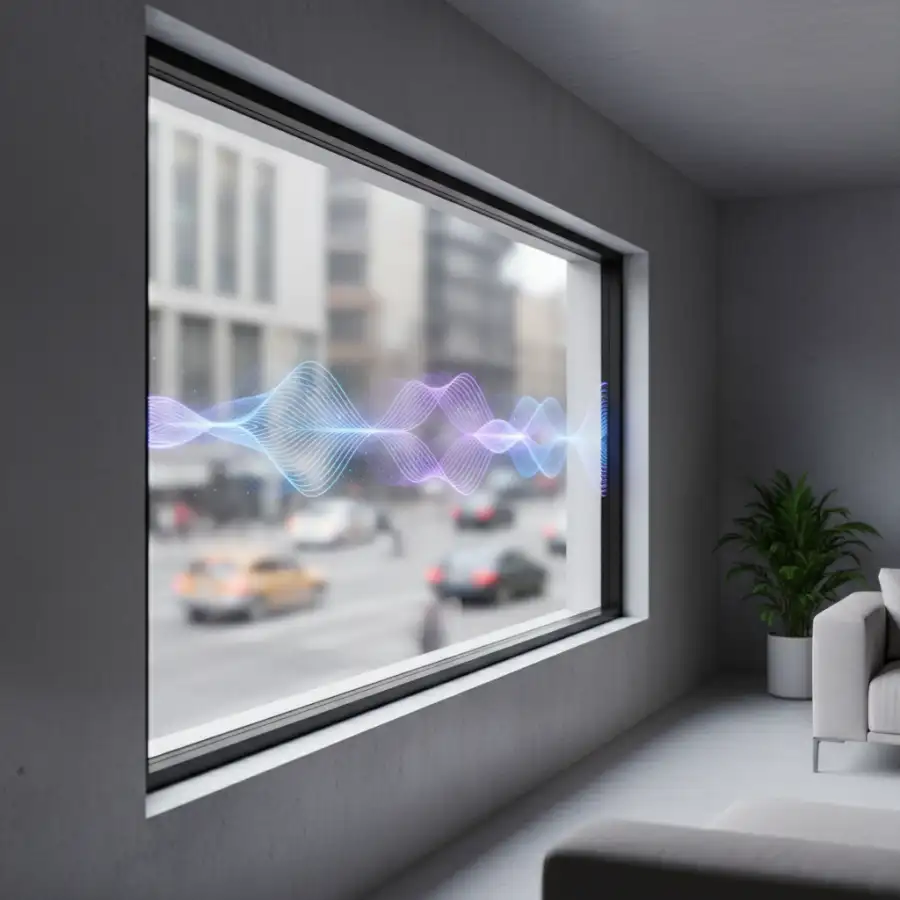
Windows are, quite literally, the weakest link in your home's sound barrier. While walls and roofs typically offer substantial sound insulation, thin glass panes and poorly sealed frames allow external noise to permeate your living spaces with surprising ease. Therefore, optimizing your windows is often the first and most impactful step in any comprehensive noise reduction strategy. The primary approach involves upgrading to **double- or triple-pane windows**. The air or gas-filled space between multiple panes of glass creates a thermal and acoustic barrier, significantly reducing sound transmission compared to single-pane windows.
For superior soundproofing, consider **laminated glass**. This involves bonding a layer of polyvinyl butyral (PVB) or similar material between two panes of glass, similar to a car windshield. The interlayer dampens sound vibrations, offering a much higher Sound Transmission Class (STC) rating than standard double-pane units. Even better are **acoustic or soundproof windows**, specifically engineered for maximum noise reduction. These often feature unequal glass thickness between panes, different air gap widths, and specialized framing materials to disrupt sound waves more effectively. While a luxury window replacement comparative might initially focus on aesthetics or thermal performance, these high-end options frequently include superior acoustic properties.
Beyond the glass itself, **proper installation** is absolutely critical. Even the most advanced soundproof window will fail to perform if there are gaps or leaks around the frame. Professional installation ensures tight seals, proper insulation of the rough opening, and expert caulking, preventing sound from flanking the window unit. Consider the frame material too: vinyl and fiberglass frames can offer better sound insulation than thin aluminum. Is simply upgrading your windows enough to truly silence the exterior world, or is it merely the crucial first step in a broader acoustical transformation?
Finally, temporary solutions like acoustic window inserts or heavy, sound-absorbing curtains can offer supplementary noise reduction, particularly useful for renters or those on a tighter budget. However, for long-term, significant noise reduction, a complete upgrade to high-performance, expertly installed acoustic windows provides the most effective first line of defense against the invisible intruder of external noise.
Beyond Windows: Whole-Home Noise Reduction Strategies
While windows are a critical vulnerability for noise infiltration, a truly serene home often requires a multi-pronged approach that extends beyond glass. Whole-home noise reduction strategies tackle sound transmission through walls, doors, ceilings, and floors, creating a more comprehensive acoustic barrier. One highly effective method involves upgrading **insulation**. Dense-pack cellulose or mineral wool insulation in wall cavities and attics not only improves thermal performance but also significantly dampens airborne sound. Unlike traditional fiberglass batts, these materials fill cavities completely, leaving fewer air gaps for sound to travel through.
**Solid core doors** are another often-overlooked area. Hollow-core interior doors offer virtually no sound insulation. Replacing them with solid wood or composite doors, especially in bedrooms or home offices, creates a much more substantial barrier against internal noise. Ensuring these doors have tight seals with weatherstripping and door sweeps also prevents sound leakage around the edges. Similarly, improving the soundproofing of shared walls, particularly in townhouses or multi-family dwellings, can involve adding a layer of drywall with a sound-dampening compound (like green glue) or installing resilient channels to decouple the drywall from the studs, interrupting sound transmission. Principles of robust soundproofing, often employed in decoding commercial window replacement, can certainly inspire more robust residential applications.
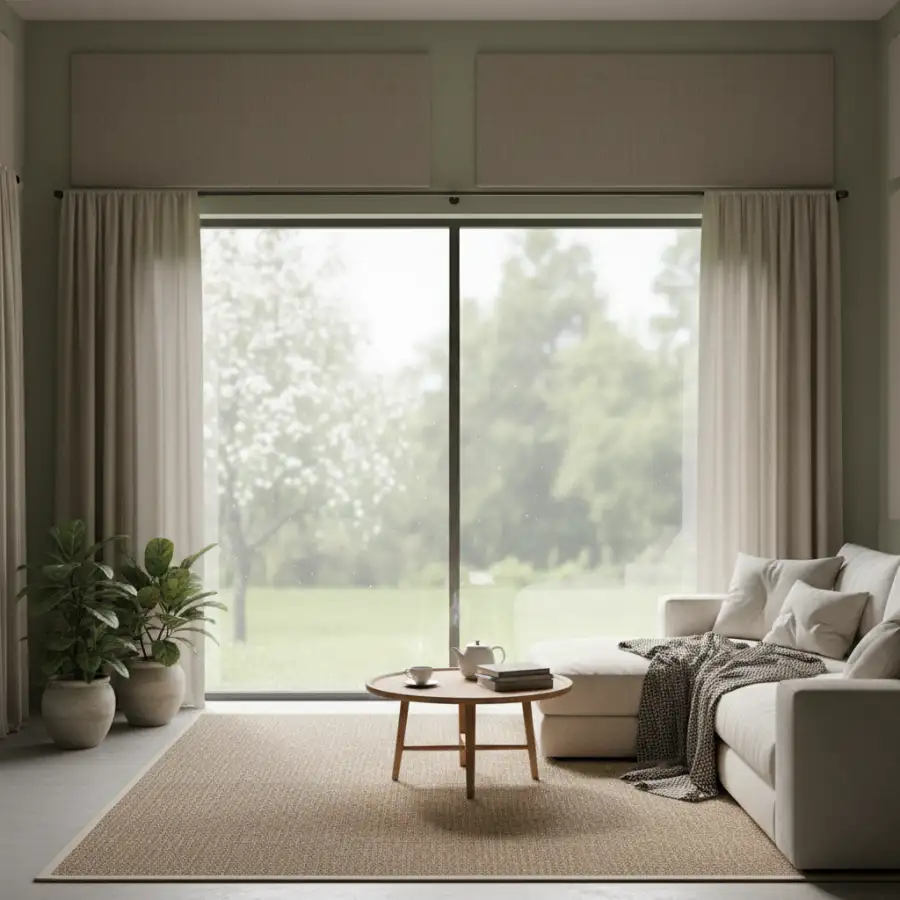
Internally, **sound-absorbing materials** play a crucial role in reducing echo and reverberation, making a space feel quieter even if external noise isn't entirely eliminated. Heavy drapes or curtains, thick rugs and carpets, upholstered furniture, and even wall art with acoustic properties can absorb sound waves, preventing them from bouncing around a room. Acoustic panels specifically designed for sound absorption can also be discreetly integrated into a room's decor for targeted results. Are you truly considering all the pathways through which unwanted sound infiltrates and echoes within your home, or are you focusing on just one or two obvious culprits?
Finally, exterior landscaping can also contribute. Strategically planted dense shrubs or trees can act as natural sound barriers, absorbing and deflecting some outdoor noise before it even reaches your home. By combining these structural, material, and landscaping strategies, you can create a truly fortified and quiet living environment, where internal and external noise is effectively managed.
Personal Sanctuaries: The Power of Noise-Cancelling Technology
While structural modifications to your home offer broad, persistent noise reduction, sometimes you need immediate, personal quiet, regardless of your surroundings. This is where noise-cancelling technology excels, effectively changing your immediate auditory environment. The most common form comes in **noise-cancelling headphones**, which utilize two primary methods: passive and active.
**Passive noise cancellation** is achieved through physical barriers. Over-ear headphones with thick, well-sealed earcups create a physical block against sound waves, simply by fitting snugly and using dense materials. This is effective against a wide range of frequencies, particularly higher-pitched sounds. Think of it as wearing a good pair of earmuffs. They don't require power, making them reliable for consistent attenuation.
**Active noise cancellation (ANC)**, on the other hand, is a technological marvel. It uses microphones to pick up ambient low-frequency noise (like engine hums, fan whirrs, or distant traffic), then generates an inverse sound wave to cancel it out. This electronic process is incredibly effective for continuous, low-frequency sounds, creating an eerie silence that's perfect for commutes, open-plan offices, or simply finding peace at home when structural solutions aren't enough. Many premium headphones now combine both passive and active noise cancellation for a superior quiet experience. What defines truly effective noise-cancelling technology, allowing you to create an instant bubble of serenity in any chaotic environment?
Beyond headphones, **white noise machines** offer a different, yet powerful, approach to creating personal sanctuaries. Instead of cancelling noise, they generate a consistent, unobtrusive sound (like a fan, rain, or static) that masks disruptive background noises. This is particularly effective for sleep, as it helps block out sudden sounds that might wake you. They don't eliminate noise, but they make it less noticeable and less irritating, allowing your brain to focus on the soothing, consistent sound rather than the unpredictable disturbances.
Finally, good old-fashioned **earplugs** remain a simple, cost-effective solution for immediate, significant noise reduction. While not 'noise-cancelling' in the active sense, high-quality foam or custom-molded earplugs offer impressive passive attenuation, ideal for sleep, study, or any situation requiring extreme quiet. By understanding the mechanisms and applications of these personal technologies, you can strategically employ them to carve out pockets of peace, regardless of the chaos around you.
What this means for you
This deep dive into noise reduction strategies provides you with a comprehensive toolkit, allowing you to move beyond suffering in silence and actively reclaim the tranquility of your home. What this means for you is the power to make informed, effective decisions tailored to your specific noise problems and budget. First, you now understand that identifying the source and type of noise (airborne vs. structure-borne, high vs. low frequency) is the crucial first step. This diagnostic approach prevents wasted effort and ensures you invest in solutions that truly target the problem.
Second, you can strategically prioritize solutions. If external traffic noise is the primary culprit, focusing on high-STC windows with laminated glass becomes your top priority. If internal noise from neighbors or within your home is the issue, then solid core doors, wall insulation, and sound-absorbing materials become more relevant. This strategic allocation of resources ensures maximum impact for your investment, providing genuine relief. Just as investing in upgrades like new windows can lead to a significant home value boost by enhancing comfort and energy efficiency, addressing noise problems similarly increases the desirability and long-term value of your property.
Third, you have a clear understanding of the trade-offs involved between different solutions. Structural upgrades offer permanent, whole-home benefits but come with higher costs and installation complexity. Personal devices offer immediate, localized relief at a lower cost, but don't address the underlying issue for the entire home. Knowing these distinctions allows you to blend solutions, perhaps starting with personal noise-cancelling headphones for immediate relief while planning for a long-term window upgrade. How do you synthesize this wealth of information into a practical plan that genuinely transforms your living environment and brings lasting peace?
Ultimately, this guide empowers you to stop merely enduring noise and start actively managing it. You now have the knowledge to create a personalized strategy for a quieter, more comfortable, and ultimately healthier living space.
Risks, trade-offs, and blind spots
Undertaking a noise reduction project, while highly beneficial, is not without its challenges. There are inherent risks, trade-offs, and common blind spots that can lead to disappointment or inefficient spending if not properly considered. One significant risk is **underestimating the complexity of sound transmission**. Noise often finds the path of least resistance; addressing one weak point (like windows) without considering others (like walls or vents) can lead to frustratingly incomplete results. The trade-off is between investing in a targeted solution and pursuing a more expensive, holistic approach that might yield better overall results. What subtle pathways for sound are often overlooked, undermining even the most well-intentioned efforts to silence a space?
A common blind spot is **over-reliance on passive solutions for low-frequency noise**. While heavy curtains and thick rugs can absorb mid-to-high frequencies and reduce echo, they are largely ineffective against deep bass sounds from traffic or booming music. True low-frequency attenuation often requires substantial structural modifications, mass, and decoupling, which are more costly and complex. This is a critical trade-off to understand when budgeting for soundproofing.
**Aesthetic compromises** represent another trade-off. Some highly effective soundproofing materials, like thick acoustic panels or heavy window inserts, may not align with your desired interior design. Balancing optimal acoustic performance with visual appeal can be a challenge. Similarly, the **cost vs. effectiveness** dilemma is ever-present. Premium acoustic windows, specialized insulation, or professional soundproofing services come at a higher price point, but typically offer superior results. Opting for cheaper, less effective solutions might save money upfront but lead to ongoing dissatisfaction.
Another risk is **failure to address flanking noise**. This occurs when sound bypasses your intended barrier by traveling through adjacent structures (e.g., sound traveling around a window frame through an uninsulated wall cavity). A comprehensive acoustical assessment by an expert can identify these flanking paths, but this adds to the initial cost. Without it, you might invest significantly in a window upgrade only to find noise still seeping in from unexpected directions. Ignoring these often-subtle complexities can turn a promising project into a frustrating series of half-measures, rather than a definitive solution for your peace and quiet.
Main points
- Unwanted noise significantly impacts well-being, demanding strategic reduction efforts.
- Windows are critical entry points for noise; upgrade to double/triple-pane, laminated, or acoustic glass with professional installation.
- Whole-home solutions include dense insulation, solid core doors, wall treatments, and sound-absorbing materials like rugs and heavy curtains.
- Personal noise-cancelling technology, like active noise-cancelling headphones and white noise machines, offers immediate, localized relief.
- Identify the source and type of noise (airborne vs. structure-borne, frequency) to choose the most effective solutions.
- Strategically prioritize solutions based on impact, budget, and the specific vulnerabilities of your home.
- Be aware of risks like underestimating complexity, over-relying on passive solutions for low-frequency noise, and making aesthetic compromises.
- A holistic approach, addressing multiple noise pathways, typically yields the most satisfying and long-lasting results.
With this guide in hand, you possess the knowledge to systematically tackle unwanted noise and transform your living space into the peaceful haven you deserve. Start your journey to reclaiming quiet today.