

Smart Investment: A Landlord's Guide to Window Replacement for Rental Buildings
Achieving Financial Benefits and Property Value through Strategic Upgrades
As a rental property owner, are you constantly weighing the balance between essential maintenance costs and upgrades that genuinely enhance your investment's value and profitability? The decision to replace windows often falls into this crucial calculus.
Beyond the obvious aesthetic improvements, new windows promise a cascade of financial benefits, from slashing energy bills to boosting tenant appeal. But how do you precisely quantify the return on investment and navigate the practicalities of such a significant project?
This comprehensive guide demystifies the financial implications of window replacement for rental buildings, offering a clear roadmap to making an informed business decision that secures long-term dividends for your portfolio.
For landlords and property managers, every dollar spent on a rental building must be a strategic investment, not merely an expense. Few upgrades offer the multifaceted returns of Window Replacement for Rental Buildings. While often seen as a significant upfront cost, modern windows dramatically impact everything from energy efficiency and tenant comfort to property aesthetics and long-term valuation. The challenge lies in understanding the complete financial picture: initial outlay, potential tax benefits, depreciation schedules, and the all-important return on investment (ROI). This detailed guide helps property owners with the comprehensive knowledge needed to approach window replacement as a shrewd business decision rather than a daunting necessity.
We will explore the tangible and intangible benefits, dissect the financial mechanics of such an upgrade, examine various options for sourcing and installation, and highlight critical considerations to avoid common pitfalls. Our aim is to provide a clear pathway, enabling you to confidently evaluate the feasibility of replacing windows in your rental properties, ultimately enhancing your portfolio's profitability and attractiveness in a competitive market.
Quick navigation
- Understanding the Investment: Why Window Replacement Matters for Rentals
- Financial Mechanics: Costs, ROI, and Depreciation for Landlords
- Choosing the Right Windows and Suppliers
- The Installation Process: What to Expect and How to Manage
- What this means for you
- Risks, trade-offs, and blind spots
- Main points
Understanding the Investment: Why Window Replacement Matters for Rentals
For a rental property owner, every improvement must be justified by its potential to enhance the bottom line. Window replacement for rental buildings is far more than a cosmetic update; it's a critical investment that yields multiple financial and operational benefits. The immediate appeal of new windows lies in their ability to dramatically improve the energy efficiency of a property. Old, single-pane, or poorly sealed windows are notorious for energy leakage, allowing heat to escape in winter and seep in during summer. Modern, energy-efficient windows (double- or triple-pane with low-emissivity coatings) act as superior insulators, significantly reducing heating and cooling costs. While tenants might pay the utility bills directly, lower energy costs make your property more attractive and affordable, which increases demand.
Beyond energy savings, new windows offer a substantial boost to tenant appeal and retention. In a competitive rental market, tenants are increasingly looking for properties that offer comfort, lower utility bills, and a modern aesthetic. Updated windows signal a well-maintained property, capable of commanding higher rents. They also reduce outside noise, improve security with better locking mechanisms, and enhance natural light, all contributing to a superior living experience. Satisfied tenants are more likely to renew leases, reducing costly turnover expenses like vacancy periods, cleaning, and re-marketing.
The long-term financial upside includes an increase in the overall property value. Just as a home value boost is observed in owner-occupied properties, rental buildings with new windows are perceived as more valuable and energy-efficient assets. This can translate to a higher appraisal value, benefiting you in a future sale or refinancing. Furthermore, modern windows require less maintenance than older counterparts, reducing repair costs over time. Is replacing a broken pane merely a cost-saving measure, or a missed opportunity for a strategic upgrade that pays dividends for years?
Ultimately, investing in window replacement is a proactive move that safeguards your asset, attracts premium tenants, and contributes positively to your property's financial performance across multiple dimensions, making it a cornerstone of smart rental property management.
Financial Mechanics: Costs, ROI, and Depreciation for Landlords
Understanding the financial aspects of window replacement for rental buildings requires a clear grasp of initial costs, potential returns, and how these expenses interact with tax laws. The initial cost of window replacement can vary widely based on the type of window, material, size, labor rates, and the number of windows. A single vinyl window might cost a few hundred dollars, while a large, custom wood window could run into thousands. For an entire rental building, the total investment can be substantial, necessitating careful budgeting and financial planning. This is a capital expenditure, adding long-term value, unlike a simple repair.
Calculating the Return on Investment (ROI) for window replacement involves many factors. Firstly, energy savings are a direct and measurable return. Documenting utility bills before and after installation can demonstrate these savings, which can then be used to justify a modest rent increase or simply improve tenant satisfaction. Second, increased rental income is a strong factor. Properties with modern, energy-efficient windows can often command higher rents, reflecting the added value and lower operating costs for tenants. Third, reduced tenant turnover contributes significantly to ROI by minimizing vacancy costs, cleaning expenses, and marketing fees. Finally, the increased property value allows for potential equity draws or a higher sale price down the line. A typical ROI payback period for energy-efficient windows can range from 8 to 15 years, but the benefits continue long after the initial investment is recouped.
From a tax perspective, window replacement for rental buildings is generally considered a capital improvement, not a repair. This means the cost cannot be fully deducted in the year it's incurred. Instead, the expense is depreciated over the useful life of the asset, which for residential rental property is typically 27.5 years in the United States. This allows landlords to deduct a portion of the cost each year, reducing taxable income over a significant period. While this isn't an immediate deduction, it provides a consistent tax benefit. Are you using every available financial mechanism to maximize the long-term profitability of your rental portfolio, or are you leaving money on the table?
Understanding these financial mechanics, from the immediate cash outlay to the long-term tax implications and ROI drivers, is essential for making a strategic business decision that enhances both the value and profitability of your rental properties.
Choosing the Right Windows and Suppliers
The market for window replacement for rental buildings offers many choices, each with distinct costs, performance, and aesthetic appeal. Making the right selection involves balancing budget constraints with long-term durability and tenant satisfaction. One of the primary decisions is the frame material. Vinyl windows are incredibly popular for rental properties due to their affordability, excellent energy efficiency, and low maintenance requirements; they don't rot, peel, or require painting. Wood windows offer superior insulation and aesthetic appeal but come at a higher cost and require more maintenance. Aluminum windows are durable and sleek, often used in more modern or commercial window replacement applications, but can be less energy efficient unless thermally broken. Fiberglas is another option, offering strength and stability, often at a mid-to-high price point.
Beyond material, consider glazing options. Double-pane windows are standard for energy efficiency, but triple-pane offers even greater insulation, especially in colder climates, though at a higher cost. Low-emissivity (Low-E) coatings reflect heat, keeping interiors cooler in summer and warmer in winter, while inert gas fills (like argon or krypton) between panes further enhance insulation. These features contribute significantly to a window's U-factor and Solar Heat Gain Coefficient (SHGC), key metrics for energy performance. When exploring options, a detailed luxury window replacement comparative might offer insights into higher-end features, even if your rental budget leans towards more practical solutions.
For sourcing, large retail chains provide accessibility, a wide range of products, and often installation services. They can be a convenient option for landlords managing multiple properties or those looking for standardized, off-the-shelf solutions. However, it's also worth exploring local window suppliers and contractors, who may offer more personalized service, custom sizes, or specialized products not found in big box stores. The decision between DIY vs. professional installation hinges on the landlord's skill set, time availability, and the complexity of the project. While DIY can save on labor costs, professional installation ensures proper sealing, maximizes energy efficiency, and typically comes with warranties that protect your investment. Can you truly balance the allure of cost savings with the assurance of professional execution when it comes to such a critical building component?
Ultimately, choosing the right windows and suppliers for your rental properties requires evaluating initial cost, long-term energy savings, durability, and the value they add to your investment. Prioritizing quality and proper installation will pay dividends over the lifespan of the windows.
The Installation Process: What to Expect and How to Manage
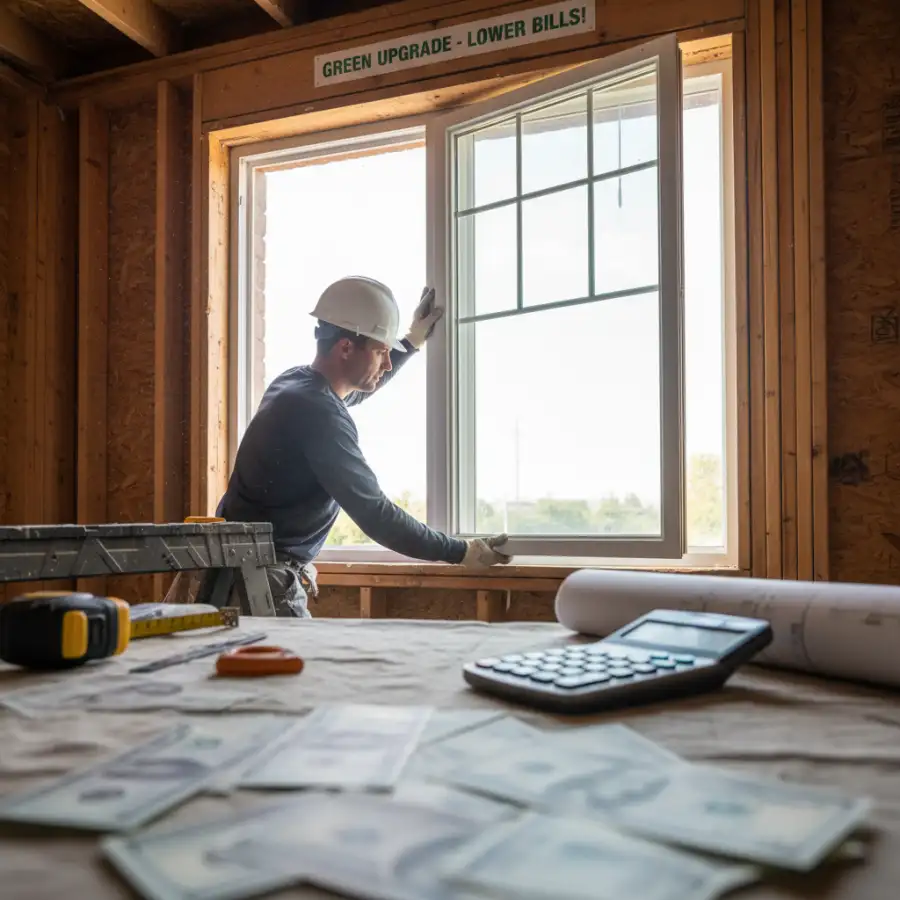
Once you've made the strategic decision for window replacement in your rental buildings and chosen your windows, the installation process itself requires careful planning and oversight to minimize disruption and ensure a successful outcome. The journey typically begins with a **detailed measurement and order phase**. This is critical; accurate measurements prevent costly errors and delays. Professionals will take precise measurements, accounting for any irregularities in the existing openings. Once ordered, custom windows can take several weeks to arrive, so planning for this lead time is essential, especially if you have tenant move-outs or specific renovation schedules.
Before the installation day, **tenant communication** is paramount. Informing tenants well in advance about the scope of work, expected duration, and any temporary inconveniences (noise, dust, restricted access) is crucial for maintaining good tenant relations. Providing clear instructions on preparing their units (e.g., clearing window sills, moving furniture) can also streamline the process. On installation day, the team will typically start by **removing the old windows**, carefully detaching the frames and sashes. This is followed by preparing the opening, which may involve minor repairs to the framing or siding to ensure a level and watertight fit for the new window.
**Installing the new windows** involves careful placement, shimming to ensure it's level and plumb, and then securing it to the frame. Crucially, the window must be properly insulated and sealed around the perimeter using expanding foam and caulk to prevent air and moisture infiltration. This step is vital for achieving the advertised energy efficiency. Once the window is securely in place, **finishing touches** include installing interior and exterior trim, and cleaning up the work area thoroughly. A final inspection by the contractor and, ideally, by you or your property manager, confirms the quality of the installation and addresses any immediate concerns. What details in the installation process could undermine your investment in premium windows, turning an upgrade into a recurring problem?
Managing the installation process effectively involves clear communication with your chosen contractor, proactive tenant engagement, and a diligent final inspection. By overseeing these steps, you safeguard your investment and ensure that the new windows deliver on their promise of enhanced value and performance for your rental property.
What this means for you
For you, the landlord, this comprehensive guide to window replacement for rental buildings provides more than just information; it offers a strategic blueprint for enhancing your property portfolio's profitability and appeal. This means you can now approach what might seem like a daunting expense as a calculated investment with clear, quantifiable returns. First, you gain the knowledge to accurately assess the current state of your rental property's windows and understand the potential for significant energy savings, directly impacting your tenants' utility costs and, by extension, their satisfaction and retention. This insight allows you to prioritize upgrades where the need and potential return are greatest.
Second, by grasping the financial mechanics—including initial costs, ROI calculations, and the benefits of depreciation for tax purposes—you can build a robust business case for window replacement. This enables you to budget effectively, explore financing options, and forecast the long-term financial advantages, moving beyond simple cost to true value. You can confidently present these projections to partners or lenders, demonstrating a clear path to increased asset value and cash flow. How can you confidently move from merely considering window replacement to executing a project that measurably boosts your investment's performance?
Third, the detailed overview of window types, materials, and sourcing options empowers you to select the best products tailored to your rental properties' specific needs and budget. Whether you opt for cost-effective vinyl from Home Depot window replacement for rental buildings or a more specialized solution from a local supplier, you can make choices that balance durability, energy efficiency, and aesthetic appeal. This ensures that your investment not only performs well but also contributes to the overall marketability of your units.
Ultimately, this guide transforms the complex decision of window replacement into an informed, strategic opportunity. You are now equipped to make choices that will attract and retain quality tenants, reduce operational costs, increase property value, and solidify your position as a savvy property investor.
Risks, trade-offs, and blind spots
While window replacement for rental buildings offers compelling benefits, a prudent landlord must also be aware of the inherent risks, trade-offs, and common blind spots that can undermine even a well-intentioned project. One significant risk is **underestimating the total cost and scope**. Beyond the price of the windows themselves, factors like unforeseen structural damage during removal, lead paint abatement, or the need for new trim and finishes can quickly inflate the budget. The trade-off here is between upfront savings on a minimal quote and the potential for expensive surprises during the project. What unforeseen challenges or neglected considerations could turn a planned upgrade into a financial strain?
Another blind spot is **choosing cheap, low-quality windows** in an attempt to cut costs. While tempting, inferior windows often have shorter lifespans, offer poor energy efficiency, and may lead to premature failure or increased maintenance issues down the line. The trade-off is sacrificing long-term durability and performance for short-term savings, which ultimately results in higher total cost of ownership and less tenant satisfaction. This also contrasts sharply with the rigorous standards for commercial window replacement, where long-term durability is expected.
**Tenant disruption and communication failures** represent another risk. A poorly managed installation can lead to frustrated tenants, complaints, and even requests for rent reductions or early lease termination. This directly impacts your cash flow and reputation as a landlord. The trade-off is between rushing the project and taking the time to communicate effectively, manage expectations, and minimize inconvenience. A thoughtful approach safeguards tenant relations.
A common blind spot is **miscalculating the true ROI**. Overestimating rent increases or underestimating vacancy periods can skew your financial projections. While new windows typically lead to a home value boost, the exact rental premium or speed of return can vary by market. Relying on generic figures without local market research can lead to disappointment. Furthermore, neglecting **local building codes and permit requirements** can result in fines, delays, or the need for costly rework, an easily avoidable risk with proper due diligence.
By proactively identifying and addressing these risks, landlords can avoid potential pitfalls and ensure their window replacement project for rental buildings remains a sound and profitable investment, not a source of unexpected trouble.
Main points
- Window replacement for rental buildings is a strategic investment that boosts energy efficiency, tenant appeal, and property value.
- Energy savings, potential rent increases, reduced turnover, and property appreciation are key drivers of ROI.
- Consider window type (vinyl, wood, aluminum), glazing options (double/triple-pane, Low-E), and inert gas fills for optimal performance.
- Evaluate suppliers like Home Depot for convenience or local contractors for specialized service, balancing cost with quality.
- Proper installation, meticulous sealing, and adherence to building codes are crucial for maximizing energy efficiency and longevity.
- Effectively communicate with tenants to minimize disruption and maintain positive landlord-tenant relations during the project.
- Be aware of risks such as underestimating costs, choosing low-quality materials, and miscalculating ROI projections.
- Window replacement is a capital improvement, offering tax benefits through depreciation over the asset's useful life.
By using these insights, you can transform your rental properties with smart window upgrades, securing a stronger financial future and more appealing living spaces for your tenants. Start planning your strategic window replacement today.