

Unbreakable Protection: Comparing the Best Storm & Impact Windows for Your Home
A Deep Dive into Features, Costs, and Top Brands for Hurricane-Prone Regions.
Are you tired of the anxiety that comes with hurricane season, wondering if your home is truly safe from the next big storm? Traditional windows simply don't offer the peace of mind you deserve.
Beyond basic protection, what if you could invest in windows that not only withstand the fiercest winds but also offer enhanced security, noise reduction, and energy efficiency?
Discover the leading brands and critical features of storm and impact windows, transforming your home into an impenetrable fortress while boosting its value and comfort.
For homeowners in hurricane-prone coastal regions or areas susceptible to severe weather, windows are far more than just a source of light and ventilation; they are a critical line of defense. The annual anxiety of hurricane season, coupled with the laborious task of boarding up conventional windows, has driven a significant demand for advanced solutions. Storm and impact windows represent the pinnacle of window technology designed to withstand extreme forces, offering unparalleled protection, enhanced security, and often, improved energy efficiency. Making an informed decision about which impact windows are best for your home, however, requires a deep understanding of their features, the technology behind them, and the reputation of leading manufacturers. This guide also emphasizes the long-term benefits, such as increased property value and peace of mind, making it a truly invaluable resource.
This comprehensive comparison guide will explore the science of how they work, compare top brands, examine their unique features, analyze cost implications, and discuss critical considerations for installation, especially in regions like Florida where building codes are stringent. Whether you're looking to fortify your primary residence, a vacation home, or seeking to enhance your property's value, understanding the best options available will empower you to make a confident and lasting investment in your home's safety and resilience.
Quick navigation
What Makes a Window 'Storm and Impact Resistant'?
The term 'storm and impact resistant' isn't just marketing jargon; it signifies a window engineered to meet rigorous testing standards designed to simulate hurricane-force winds and the impact of wind-borne debris. Unlike standard windows, which can shatter easily under such conditions, impact windows are built with specialized components that provide superior protection. But what exactly are these components, and how do they work together to create an impenetrable barrier?
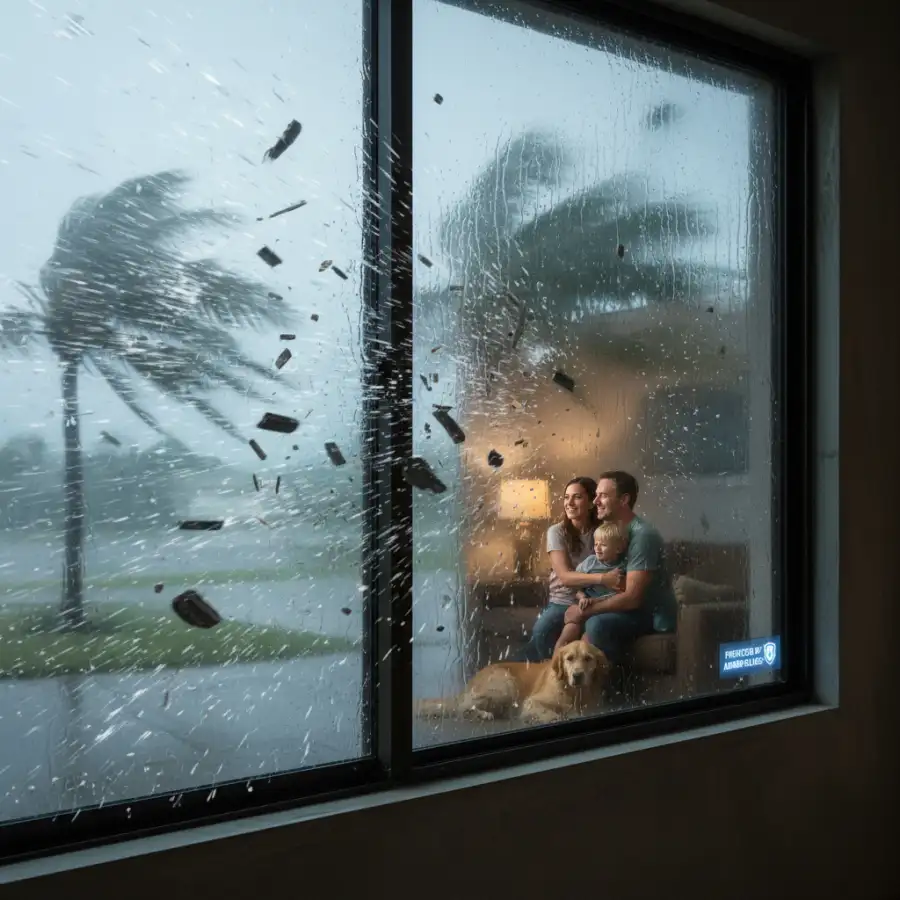
At the heart of an impact window is its **laminated glass**. This isn't your ordinary window pane. Laminated glass consists of two or more panes of glass bonded together with a tough, clear interlayer, typically made of polyvinyl butyral (PVB) or SentryGlas (SG). When struck by an object, the glass may crack or spiderweb, but the interlayer holds the shards firmly in place, preventing a breach in the window's envelope. This crucial feature keeps out wind, water, and dangerous debris, maintaining the structural integrity of your home during a storm. Without this, even a small opening can lead to catastrophic internal pressure buildup, potentially blowing off your roof.
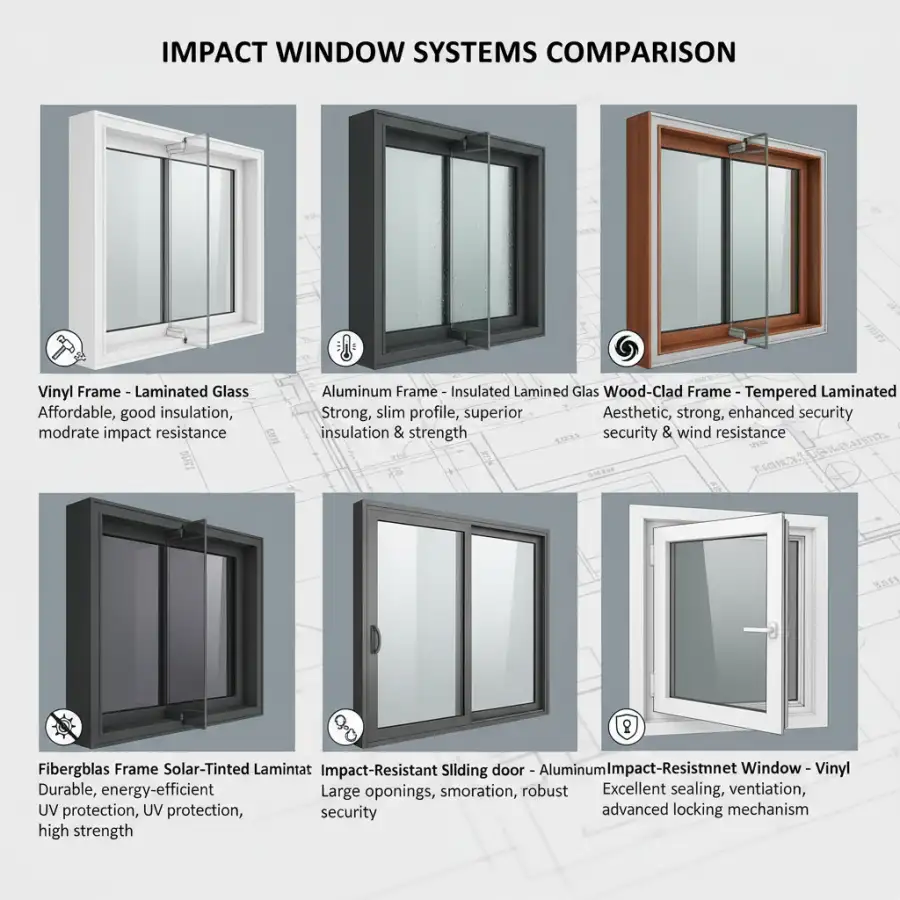
Beyond the glass, the **frame and hardware** are equally critical. Impact window frames are typically constructed from reinforced vinyl, aluminum, or heavy-duty wood, designed to withstand extreme pressure. The frames are deeper and stronger than conventional windows, often featuring multi-chambered designs for added rigidity and insulation. Specialized hardware, including heavy-duty locks and hinges, ensures the window remains securely fastened within its frame, even against immense wind loads. These components undergo extensive testing, including large missile impact tests (simulating a 2x4 timber striking the window at high speed) and cyclic pressure tests (simulating rapid changes in air pressure during a hurricane). Only after passing these stringent tests can a window be certified as impact resistant. These certifications are crucial; they are typically issued by bodies like Miami-Dade County, the Florida Product Approval board, or the Texas Department of Insurance (TDI), depending on the region. Such approvals signify that the window has been tested to withstand specific wind pressures and impacts from large and small missiles, providing a clear standard of performance and reassuring homeowners of the product's reliability. Does this advanced engineering mean that every impact window is the same, or are there significant differences between brands and their protective capabilities?
These windows provide peace of mind by eliminating the need for storm shutters or plywood, offering continuous protection and instant readiness when severe weather strikes.
Key Features and Technologies of Impact Windows
Beyond the fundamental laminated glass and robust frames, the best storm and impact windows incorporate a range of advanced features and technologies that enhance their performance, energy efficiency, and overall value. Understanding these elements is crucial for making an informed purchase decision tailored to your specific needs.
One primary feature is **energy efficiency**. While protection is paramount, modern impact windows are often designed with advanced thermal properties. This includes insulated glass units (IGUs) that feature double or even triple panes of glass, with inert gases like argon or krypton sealed between them. These gases are better insulators than air, reducing heat transfer and improving your home's energy performance. Furthermore, low-emissivity (Low-E) coatings are often applied to the glass. These microscopic, transparent metallic layers reflect infrared light, keeping heat out in summer and in during winter, leading to significant savings on utility bills. This blend of protection and efficiency offers a dual benefit, especially in climates like Florida's, where both hurricanes and high cooling costs are concerns.
Another often- overlooked benefit is **noise reduction**. The laminated glass structure that makes impact windows so strong against storms also acts as an excellent sound barrier. This means a quieter indoor environment, free from external traffic, airplane noise, or loud neighbors. For homes in bustling urban areas or near airports, this can be a significant quality-of-life improvement. Impact windows also offer **enhanced security**. Their robust construction and laminated glass make them incredibly difficult for intruders to break through, providing an added layer of protection against forced entry, even when no storm is brewing. Can a single window truly offer such diverse benefits without compromise?
Finally, consider **UV protection**. Many impact windows come with coatings that block up to 99% of harmful UV rays, protecting your interior furnishings, flooring, and artwork from fading and degradation over time. This extends the life of your home's interior, making it a more comfortable and visually appealing space. These integrated technologies mean that investing in impact windows is not just about storm preparedness; it's about upgrading your home's overall performance and value.
Top Brands for Storm & Impact Windows: A Comparative Look
When it comes to selecting the best storm and impact windows, several manufacturers consistently stand out for their quality, innovation, and adherence to stringent testing standards. While "Consumer Reports" might offer general window advice, the specialized nature of impact windows means focusing on brands with a proven track record in high-wind zones. Here’s a comparative look at some of the industry leaders:
PGT Custom Windows + Doors
- Reputation: As a pioneer in impact-resistant windows, PGT (now part of PGT Innovations) is often considered the benchmark, especially in Florida. Their impact-resistant products, including the WinGuard series, are widely recognized and highly regarded.
- Features: Offers a broad range of materials (vinyl, aluminum), styles, and performance options. Their WinGuard line is rigorously tested for large and small missile impacts, and they provide excellent energy efficiency features like Low-E glass and argon gas fills. They excel in custom solutions.
- Pros: Extensive product line, high level of customization, strong reputation for durability and storm protection, readily available in high-impact regions.
- Cons: Can be on the higher end of the price spectrum due to quality and specialization.
Andersen Windows & Doors
- Reputation: A household name in windows, Andersen offers strong impact-resistant options within its product lines, particularly its A-Series, E-Series, and 400 Series with Stormwatch protection.
- Features: Known for high-quality wood, Fibrex (a composite material), and vinyl options. Their impact windows integrate robust frames with laminated glass and often feature excellent energy performance. Offers a good balance of traditional aesthetics and modern protection.
- Pros: Broad network of dealers, excellent craftsmanship, good warranty, diverse aesthetic options that fit many home styles.
- Cons: May be less specialized in pure impact solutions compared to Florida-focused brands, potentially higher cost for premium lines.
Simonton Windows & Doors
- Reputation: A popular choice for vinyl windows, Simonton (also part of PGT Innovations) offers a strong line of impact-resistant vinyl windows, particularly its StormBreaker Plus series.
- Features: Focuses on durable vinyl frames combined with laminated glass. Known for good energy efficiency and a wide range of standard styles and configurations. Often a good value proposition for robust protection.
- Pros: Excellent value for impact resistance, good energy performance, readily available, lower maintenance than wood.
- Cons: Primarily vinyl, which some homeowners may find less aesthetically versatile than wood or fiberglass.
MI Windows and Doors
- Reputation: MI Windows is a significant manufacturer known for offering a range of vinyl and aluminum products, including impact-rated series that meet strict coastal requirements.
- Features: Provides impact windows designed for various climates, emphasizing durability and energy efficiency. They offer several collections that are certified for hurricane zones.
- Pros: Competitive pricing, good energy performance, a range of styles available in vinyl and aluminum.
- Cons: May have fewer high-end customization options compared to premium brands.
CGI Windows & Doors
- Reputation: Another strong player in the Florida market (also part of PGT Innovations), CGI specializes in high-end impact-resistant windows and doors, often targeting the luxury segment.
- Features: Offers exceptional craftsmanship, heavy-duty construction, and a wide array of custom options in aluminum and vinyl. Their windows are designed to meet stringent coastal codes and provide superior aesthetics. For those considering luxury window replacement options, CGI is a top-tier choice.
- Pros: Premium quality, superior aesthetics, extensive customization, exceptional durability.
- Cons: Higher price point, caters more to the luxury market.
When evaluating these brands, remember to verify their specific product lines meet the impact ratings required by your local building codes, especially if you're in a designated wind-borne debris region. Does the brand name alone guarantee suitability, or is it crucial to scrutinize the specific product series and their certifications for my home's location?
What this means for you
For you, the homeowner in a vulnerable region, understanding the landscape of storm and impact windows means transforming anxiety into empowerment. It means making an investment that safeguards your family, your property, and your peace of mind, far beyond what conventional windows can offer. This decision directly impacts your home's resilience, security, and long-term value.
Firstly, it means you can **eliminate the annual chore and cost of storm preparation**. No more scrambling to install plywood or heavy shutters as a hurricane approaches. Impact windows provide 24/7, invisible protection, allowing you to focus on family safety rather than property fortification. Secondly, it translates into **significant long-term savings**. While the initial investment is higher, impact windows can lead to lower insurance premiums (check with your provider for discounts), reduced energy bills due to their superior insulation, and protection against costly storm damage repairs. The potential for a boost in home value is also a compelling factor, as these features are highly desirable to buyers in at-risk areas.
Thirdly, it offers **enhanced daily living**. Beyond storm protection, the laminated glass provides superior noise reduction, creating a quieter, more serene indoor environment. Their robust construction also acts as a formidable deterrent against intruders, adding a layer of everyday security. Furthermore, many impact windows block harmful UV rays, protecting your interior furnishings from fading over time. This holistic benefit package makes them a multifaceted upgrade to your home, not just a seasonal necessity. How can I be sure that the investment I make today will truly meet the evolving demands of future weather events?
Ultimately, choosing the best storm and impact windows means making a strategic decision to fortify your home against the unpredictable forces of nature, ensuring lasting comfort, security, and financial stability for years to come.

Cost Implications and Return on Investment
Investing in storm and impact windows represents a significant financial commitment, but it's crucial to view this as a long-term investment rather than merely an expense. Understanding the cost implications and the potential return on investment (ROI) is key to justifying the upfront outlay.
Initial Costs: Impact windows are notably more expensive than standard windows due to the specialized materials, engineering, and manufacturing processes involved. Prices can vary significantly based on the brand, frame material (vinyl, aluminum, fiberglass, wood), window style (fixed, single-hung, casement, sliding), size, and the specific impact rating. On average, expect to pay anywhere from **$500 to $1,500 per window, installed**, with high-end or custom options potentially exceeding this range. For a whole-home replacement, this can easily amount to tens of thousands of dollars.
Factors Influencing Cost:
- Frame Material: Vinyl is generally the most affordable, followed by aluminum, then fiberglass and clad wood.
- Glass Type: The thickness of the laminated glass and the number of interlayers (PVB, SentryGlas) can impact cost.
- Impact Rating: Windows rated for higher wind zones or specific missile levels might be more expensive.
- Installation Complexity: Older homes, custom openings, or multi-story installations can increase labor costs.
- Energy Efficiency Features: Low-E coatings, argon gas fills, and advanced spacers add to the price but enhance long-term savings.
Return on Investment (ROI): The ROI for impact windows is multifaceted and often extends beyond simple resale value, although that is a significant component. Key ROI benefits include:
- Insurance Premium Reductions: Many insurance companies offer substantial discounts on homeowner's insurance premiums for homes equipped with certified impact-resistant windows, especially in hurricane-prone regions. These savings can accumulate significantly over time.
- Energy Savings: The superior insulation and thermal performance of impact windows lead to lower heating and cooling costs year-round, contributing to ongoing savings.
- Avoided Damage Costs: The most immediate and potentially largest ROI is the prevention of costly hurricane damage. Replacing a roof, repairing structural damage, or dealing with extensive water intrusion after a storm can cost far more than the initial investment in impact windows.
- Increased Home Value: Homes with impact windows are highly desirable in vulnerable markets, commanding higher resale values and selling faster. Buyers recognize the inherent value of preparedness and security.
- Peace of Mind: While intangible, the value of knowing your home and family are protected during severe weather is priceless.
Is the seemingly high initial cost truly justified by these long-term benefits, or are homeowners often overspending for protection that might never be fully utilized?
Risks, trade-offs, and blind spots
While storm and impact windows offer unparalleled benefits, approaching their purchase and installation with a full awareness of potential risks, trade-offs, and common blind spots is crucial. No home improvement project is without its nuances, and specialized windows demand careful consideration.
Risks and Trade-offs:
- High Upfront Cost: As mentioned, the primary trade-off is the significant initial investment. This can be a barrier for some homeowners, especially if they are not planning to stay in the home long enough to fully realize the long-term ROI.
- Weight and Installation Complexity: Impact windows are considerably heavier than standard windows, requiring more robust installation techniques and often more labor. Improper installation can negate their protective benefits and lead to leaks or operational issues. This is why choosing an experienced installer is as critical for residential as it is for commercial window replacement projects.
- Aesthetics: While many manufacturers offer attractive designs, some impact windows, particularly those with thicker frames for strength, might have a slightly different aesthetic profile than traditional windows. Ensure the chosen style complements your home's architecture.
- Minor Damage Still Possible: While they protect against breaches, impact windows are not indestructible. Extremely large or repeated impacts can still cause the glass to crack or spiderweb, requiring future replacement of the insulated glass unit, even if the home's envelope remains secure.
- Potential for Reduced Clarity (minimal): In some cases, the multiple layers of glass and interlayers might slightly affect optical clarity, though this is usually negligible with high-quality products.
Common Blind Spots:
- Not Verifying Certifications: A critical blind spot is assuming all "storm windows" are truly impact-rated. Always verify that windows carry appropriate certifications (e.g., Miami-Dade NOA, Florida Product Approval, TDI approval) for your specific wind zone and missile level.
- Ignoring Warranty Details: Understand what the warranty covers (glass, frame, installation), its duration, and any conditions that might void it. Comprehensive warranties are essential for such a significant investment.
- Overlooking Installation Quality: Even the best impact window will fail if installed poorly. Homeowners sometimes focus too much on the window itself and too little on the installer's reputation and experience with impact products.
- Not Budgeting for the Whole System: Impact windows are one component of a storm-ready home. Don't forget other vulnerabilities like doors, garage doors, and roof integrity.
- Comparing Only Upfront Price: Neglecting to factor in long-term savings from insurance discounts and energy efficiency, as well as the avoided cost of damage, can lead to a decision based on incomplete financial analysis.
Is it enough to just buy certified windows, or does the entire installation process, from initial measurement to final sealing, need to be executed flawlessly for true peace of mind?
Main points
Choosing the best storm and impact windows is a vital decision for homeowners in vulnerable areas, blending essential protection with long-term benefits. Here are the main takeaways to guide your selection:
- Storm and impact windows are engineered with laminated glass and reinforced frames to withstand hurricane-force winds and wind-borne debris, preventing catastrophic breaches.
- Key features include advanced energy efficiency (insulated glass, Low-E coatings, argon gas), superior noise reduction, enhanced security against forced entry, and UV protection.
- Top brands like PGT, Andersen, Simonton, MI Windows, and CGI offer a range of materials (vinyl, aluminum, fiberglass, wood) and styles, each with specific strengths in performance and aesthetics.
- The investment provides significant ROI through insurance premium reductions, lower energy bills, avoided storm damage costs, and increased home value.
- Verify that chosen windows carry certifications (e.g., Miami-Dade NOA, Florida Product Approval) relevant to your local building codes and wind zone requirements.
- Be aware of higher upfront costs, the importance of professional installation, and potential aesthetic trade-offs compared to standard windows.
- Always obtain multiple quotes from reputable, experienced installers specializing in impact windows, and carefully review warranty details.
- Consider the holistic benefits beyond just storm protection, including daily comfort, security, and the long-term appreciation of your property.
Investing in storm and impact windows is an investment in your home's future resilience and your family's safety. By understanding the technologies, comparing the top brands, and meticulously planning your project, you can make a confident decision that offers lasting protection and peace of mind, transforming your home into a sanctuary against the severest weather Mother Nature can unleash. This proactive approach ensures your home remains a safe and comfortable haven for years to come, regardless of the climatic challenges.