

Window Repair vs. Replacement: Making the Right Choice for Your Home
A Comprehensive Guide to Costs, Benefits, and When to Opt for Each Solution.
Is that drafty window just a minor fix away, or is it silently draining your home's energy and curb appeal? The choice between repairing a window and completely replacing it can feel like a financial tightrope walk.
Beyond the immediate cost, what if a quick repair merely postpones an inevitable, larger expense, or a full replacement offers benefits you haven't fully considered?
Understand the factors that truly matter, from long-term savings to aesthetic upgrades, ensuring your decision isn't just budget-friendly, but genuinely smart for your home's future.
Every homeowner eventually faces the dilemma: when a window shows signs of wear, damage, or inefficiency, do you repair it or opt for a full replacement? This seemingly simple question opens up a complex array of considerations, touching upon immediate financial outlay, long-term savings, aesthetic impact, and even your home's overall value. The decision between window repair vs. replacement is rarely black and white, often requiring a careful evaluation of the window's condition, the nature of the problem, your budget, and your goals for your home. Neglecting a failing window isn't just an aesthetic issue; it can lead to increased energy bills, discomfort, and even structural damage over time.
This comprehensive guide aims to provide you with all the information needed to make an informed choice. We'll explore the typical costs associated with both repair and replacement, explore the specific scenarios where each option makes the most sense, and highlight the often-overlooked factors that influence the best course of action. By the end, you'll have a clear understanding of the pros, cons, and financial implications of each path, helping you to confidently decide whether to mend that existing pane or invest in a brand new outlook for your home.
Quick navigation
The Core Dilemma: Repair or Replace?
Every homeowner encounters that moment: a window pane cracks, a sash refuses to budge, or a persistent draft hints at inefficiency. Instantly, the question surfaces: do I fix it, or is it time for a completely new window? This is the core dilemma of window care, a decision that intertwines immediate practicalities with long-term financial and aesthetic implications. It’s a choice that extends beyond a simple transaction; it impacts your comfort, energy consumption, and even your home’s market value.
The initial inclination for many is to lean towards repair, often perceived as the quicker and cheaper solution. However, this knee-jerk reaction doesn't always account for the underlying issues or the potential for recurring problems. A temporary patch might fix a visible flaw, but it rarely addresses systemic failures like compromised insulation or a deteriorating frame. Conversely, the thought of full window replacement can seem daunting due to its higher upfront cost and the perceived disruption to daily life. Yet, a new window often brings with it significant upgrades in energy efficiency, security, and aesthetics that a repair simply cannot match.
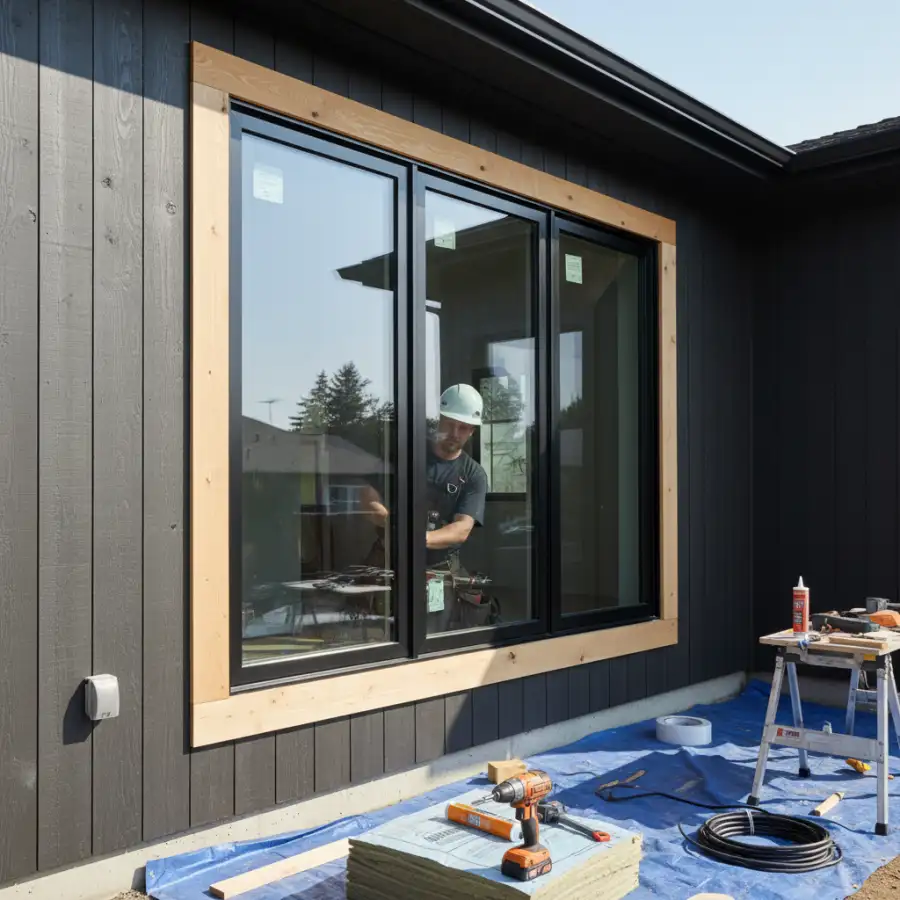
Navigating this decision requires a balanced perspective. It requires an honest assessment of the window’s age, material, the extent of the damage, and its overall performance. Are you merely addressing a symptom, or are you tackling the root cause of the problem? Is patching up an old, inefficient window truly saving money, or are you just deferring a more impactful, long-term solution? Understanding this delicate balance is the first step toward making a truly informed decision that serves your home best.
Understanding Window Repair: When It Makes Sense
Window repair often presents itself as the most immediate and budget-friendly option when a window exhibits signs of distress. But when exactly does mending make more sense than replacing? The answer largely depends on the nature and extent of the damage, as well as the overall condition and age of the window itself.
Common window repair issues include:
- Broken or Cracked Glass: If only a single pane of glass is damaged, especially in a multi-pane window, replacing just the glass unit (sometimes called a "sealed unit" or "insulated glass unit - IGU") is a very common and cost-effective repair. This avoids disturbing the frame.
- Failing Seals: Foggy or cloudy windows often indicate a broken seal in a double-pane or triple-pane window, allowing moisture to penetrate. The gas (argon or krypton) between the panes escapes, and condensation forms. You can often replace just the insulated glass unit without replacing the entire sash or frame.
- Hardware Malfunctions: Issues with latches, locks, hinges, or cranks are usually straightforward to fix or replace. These mechanical components wear out over time, and a new piece of hardware can restore full functionality.
- Drafts from Poor Weatherstripping: If a window is otherwise sound but lets in drafts, worn-out or damaged weatherstripping is often the culprit. Replacing the weatherstripping can significantly improve energy efficiency at a minimal cost.
- Minor Wood Rot or Damage: For windows with wooden frames, small areas of rot can sometimes be repaired by scraping out the damaged wood, treating it, and filling it with epoxy or wood filler. This is a viable option for localized damage, preserving the original window.
The advantages of opting for repair are clear: it’s typically less expensive, especially for minor issues, and causes less disruption to your home. It also allows you to preserve the architectural integrity of older or historic homes, where matching new windows might be challenging or costly. However, repair also has its cons. It can be a temporary fix if the underlying issue (e.g., persistent moisture leading to rot) isn't addressed. Repairs also won't improve the overall energy efficiency of an old, single-pane window, nor will they significantly upgrade its aesthetic or security features. When is a quick fix just delaying the inevitable, and when is it a genuinely smart, long-term solution?
Estimated repair costs can range widely: replacing a single glass pane might cost $100-$300, while a new insulated glass unit could be $200-$600. Hardware replacement often falls in the $50-$150 range, and minor wood rot repairs might be $150-$400, depending on complexity. These figures are significantly lower than full replacement costs, making repair an attractive option for localized, solvable problems.
The Case for Window Replacement: A Long-Term Investment
While repair can extend the life of a window, there comes a point when replacement is not just advisable, but becomes a truly valuable investment in your home. This is particularly true when windows are beyond simple fixes, or when their age and design inherently limit their performance.
Scenarios that strongly call for full window replacement include:
- Significant Energy Loss: If you feel constant drafts, notice condensation between panes (beyond a simple seal failure), or experience unusually high energy bills, your windows are likely energy culprits. Old, single-pane windows or those with degraded frames are prime candidates for replacement with modern, energy-efficient models.
- Extensive Damage or Deterioration: Widespread wood rot, warped frames that prevent proper closing, or windows that are simply falling apart indicate damage too severe for simple repair. Trying to fix such issues often amounts to throwing good money after bad.
- Outdated Style or Poor Functionality: If your windows are visually unappealing, don't open or close smoothly, or fail to provide adequate security, replacement offers an opportunity to upgrade both aesthetics and functionality. This is especially relevant during a home renovation. For instance, considering luxury window replacement can transform the entire look and feel of a property.
- Noise Pollution: Older windows offer minimal sound insulation. Replacing them with modern, well-sealed, and often triple-pane units can significantly reduce exterior noise, enhancing indoor comfort.
- Desire for Increased Home Value: New, energy-efficient windows are a highly desirable feature for prospective homebuyers. They can provide a significant boost to your home's market appeal and appraisal value. Studies often show a strong return on investment for window replacements.
The pros of replacement are substantial: vastly improved energy efficiency (leading to lower utility bills), enhanced security features, a refreshed aesthetic that boosts curb appeal, superior noise reduction, and a significant increase in home value. Modern windows come with advanced glazing options, low-emissivity (low-E) coatings, and robust framing materials that simply weren't available decades ago. However, the primary con is the higher upfront cost compared to repair. Installation can also be disruptive, and a poor installation can negate many of the benefits, highlighting the importance of choosing a reputable contractor.
Estimated replacement costs vary significantly based on material, style, and size. Vinyl windows might range from $300-$800 per window, while wood windows could be $800-$1,500+, and fiberglass $600-$1,200+. These costs typically include installation but can fluctuate. Given these substantial figures, isn't there a risk of over-investing in new windows if my home isn't otherwise updated?
What this means for you
For you, the homeowner contemplating the fate of your windows, this boils down to a personalized decision rooted in careful assessment and realistic goal-setting. It means moving beyond a reactive stance and adopting a proactive approach to your home's long-term health and efficiency. This decision directly impacts your comfort, your wallet, and your property's future value.
The first critical step is an honest evaluation of each window's condition. Are the issues isolated and minor, or do they point to systemic failure? Consider the age of your windows; if they are decades old, single-pane, or show signs of severe wear and tear, their inherent inefficiency might make repair a short-sighted solution. Next, examine your energy bills. Are they consistently high, indicating substantial heat loss or gain through your windows? This measurable financial drain strongly indicates that replacement could offer significant long-term savings.
Crucially, align your window decision with your broader home improvement goals. Are you planning to sell in the near future? New, energy-efficient windows are a major selling point and can substantially boost your home's value. Are you looking to improve curb appeal or enhance your home's architectural style? Replacement offers far greater transformative potential than repair. Always seek professional advice. A reputable window specialist can provide an objective assessment of your windows, offer detailed cost estimates for both repair and replacement, and help you understand the long-term implications of each choice. How do I sift through conflicting advice and confidently arrive at the best decision for my unique home and budget?
Don't hesitate to get multiple quotes and ask for clear explanations of proposed solutions. Your comfort, financial well-being, and the longevity of your home are all at stake.

Costs at a Glance: Repair vs. Replacement Side-by-Side
The financial aspect is undeniably a central factor in the window repair vs. replacement debate. While general figures can be helpful, it's crucial to understand the scope of what's typically included in each cost category and how they ultimately impact your budget and long-term savings.
Window Repair Costs:
- Broken Glass Unit (IGU): Expect to pay anywhere from $200 to $600 per unit, depending on size, type of glass (e.g., tempered, low-E), and labor rates. This is a common repair that maintains the existing frame.
- Hardware Repair/Replacement: Fixing a faulty latch, crank, or hinge usually ranges from $50 to $150. More complex mechanisms can push this higher.
- Weatherstripping Replacement: A relatively inexpensive fix, typically $25 to $100 per window, significantly improving drafts.
- Minor Wood Rot Repair: Localized repairs can cost $150 to $400. This is viable only if the rot is superficial and hasn't compromised the window's structural integrity.
- Sash Repair/Replacement: If an entire sash is damaged but the frame is good, replacement can cost $300-$700.
The total cost for repair is generally much lower, often ranging from tens to a few hundred dollars per window. However, these costs are for individual components or minor issues. If a window has multiple problems, the accumulated repair costs can start to approach replacement territory without delivering the same long-term benefits.
Window Replacement Costs:
- Vinyl Windows: The most budget-friendly option, typically $300 to $800 per window, fully installed. Offers good energy efficiency and low maintenance.
- Aluminum Windows: Often $400 to $900 per window, installed. Durable and slim frames, but less thermally efficient than vinyl or wood in many climates.
- Fiberglass Windows: A mid-to-high range option, $600 to $1,200+ per window, installed. Known for exceptional durability, energy efficiency, and low maintenance.
- Wood Windows: The premium choice, often $800 to $1,500+ per window, installed. Offers classic aesthetics and excellent insulation, but requires more maintenance.
Replacement costs include the new window unit itself, removal of the old window, and professional installation. Additional costs can arise if there's significant rot around the window opening, requiring frame repair or structural work. While the upfront cost is higher, new windows offer a complete solution: enhanced energy efficiency, improved aesthetics, better security, and a fresh warranty. Considering the average lifespan of a modern window (20-30 years) versus recurring repair costs for an old one, the Return on Investment (ROI) often favors replacement in the long run, particularly due to energy savings and increased home value. Can the initial sticker shock of replacement truly be justified by future savings and benefits, or is it merely wishful thinking for most homeowners?
Risks, trade-offs, and blind spots
Every significant home improvement decision carries inherent risks and trade-offs. The window repair vs. replacement decision is no exception. Recognizing these potential pitfalls and blind spots is crucial for making a choice you won't regret.
Risks and Trade-offs with Repair:
- False Economy: The biggest risk is that a repair is a 'false economy.' You spend money fixing one part, only for another part of the old, inefficient window to fail soon after. This can lead to a cycle of repairs that collectively cost more than a replacement would have, without ever achieving the benefits of a new window.
- Limited Improvement: Repairs won't transform an old, single-pane window into an energy-efficient marvel. You might fix a draft, but the window will still be a weak point in your home's thermal envelope.
- Matching Issues: Especially with older or custom windows, finding replacement parts (hardware, glass patterns) can be challenging or impossible, potentially leading to mismatched aesthetics.
- Not Addressing Root Causes: A repair might fix a symptom (e.g., wood rot) but fail to address the underlying cause (e.g., poor flashing, chronic moisture exposure), leading to recurring problems.
Risks and Trade-offs with Replacement:
- High Upfront Cost: The most obvious trade-off is the significant initial investment. This can strain budgets without proper planning.
- Poor Installation: Even the highest-quality windows will perform poorly if installed incorrectly. This can lead to new drafts, water leaks, and operational issues. Selecting a reputable, certified installer is paramount. This is as critical for homeowners as for businesses considering commercial window replacement.
- Incorrect Style Choice: Choosing a window style or material that clashes with your home's architecture can detract from its curb appeal and value, rather than enhancing it.
- Unexpected Structural Work: During removal of old windows, installers might discover hidden wood rot, structural damage, or lead paint, which can add significant, unexpected costs to the project.
Common Blind Spots:
- Ignoring Long-Term Energy Savings: Many homeowners focus solely on upfront costs and underestimate the cumulative savings from drastically improved energy efficiency that new windows offer.
- Overlooking Home Value Impact: New windows are a significant return on investment for resale, a factor often undervalued when weighing repair vs. replacement.
- Warranty Protection: Repairs often come with short-term or no warranties, whereas new windows typically offer extensive manufacturer and installation warranties, providing long-term peace of mind.
Considering these complexities, is there truly a 'safe' path, or is every window decision an inherently calculated risk? It's a calculated risk, certainly, but one that becomes significantly safer with thorough research and professional guidance.
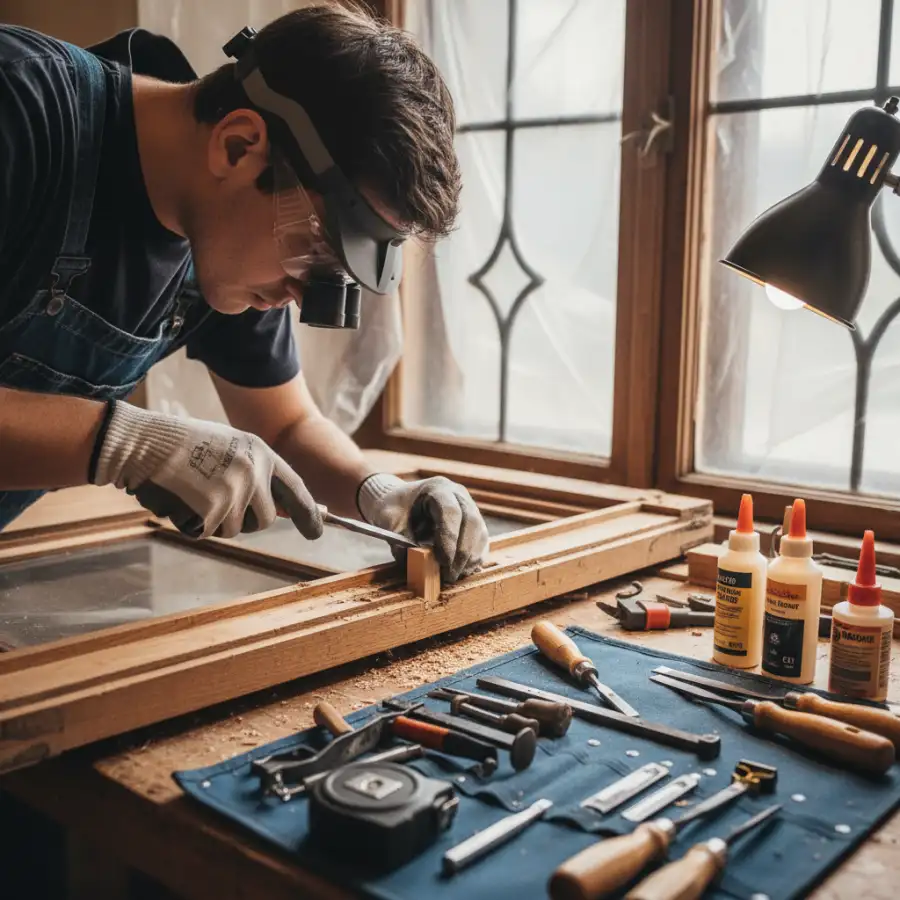
Main points
Deciding between window repair and replacement is a pivotal choice for any homeowner, balancing immediate needs with long-term goals. Here are the main points to guide your decision-making process:
- Window repair is best for isolated, minor issues like a single broken pane, faulty hardware, or worn weatherstripping, and is generally more cost-effective in the short term.
- Consider full window replacement when facing widespread damage, significant energy inefficiency (drafts, high bills), outdated aesthetics, security concerns, or a desire to increase home value.
- Repair costs are typically lower, ranging from $50-$600 per issue, but offer limited improvement in overall efficiency and often come with shorter warranties.
- Replacement costs are higher, typically $300-$1500+ per window installed, but provide substantial benefits in energy savings, aesthetics, security, and long-term durability.
- Always perform a comprehensive assessment of your windows' age, material, condition, and current performance before making a decision.
- Factor in your home improvement goals; replacement is a strong investment for increasing property value and enhancing curb appeal.
- Be wary of the "false economy" of repeated repairs that accumulate costs without addressing fundamental inefficiencies.
- Prioritize selecting a highly reputable, certified installer for replacements to ensure proper installation and leverage extensive product and labor warranties.
The choice between window repair and replacement is more than just a quick fix; it's a strategic decision for your home's future. By carefully weighing the specific damage, your budget, and your long-term aspirations, you can make an informed choice that will bring comfort, efficiency, and lasting value to your property. Don't rush this decision; seek expert advice, gather multiple quotes, and invest wisely in your home's most essential openings.