

Window Repair vs. Replacement: A Comprehensive Guide for Informed Homeowners
Understanding the Differences, Costs, Pros, and Cons to Make the Right Decision for Your Home
Struggling with drafts, foggy panes, or sticky sashes? Discover whether a simple fix or a complete overhaul is the smart financial and practical choice for your home.
Imagine the peace of mind that comes from making an informed decision about your windows, knowing you've weighed all the costs and benefits. This guide provides the clarity you need.
Don't let window woes drain your energy bills or curb appeal. Uncover the detailed differences between repair and replacement to pick the perfect solution for your specific situation.
Every homeowner eventually faces the dilemma of aging or damaged windows. Perhaps a rogue baseball shattered a pane, a persistent draft chills a room, or unsightly condensation clouds your view. These issues inevitably lead to a critical question: should I repair the window, or is it time for a full replacement? The answer is rarely straightforward, influenced by factors ranging from the extent of the damage and the age of the window to your budget, aesthetic preferences, and long-term energy efficiency goals. Making the wrong choice can lead to recurring problems, wasted money, or missed opportunities for significant home improvement. This guide is carefully prepared to provide you with the detailed differences, costs, pros, and cons of both window repair and replacement. By examining each option, we aim to offer the insights necessary to make an informed, confident decision for your specific home and situation, ensuring your investment enhances comfort, efficiency, and value.
Quick navigation
- Introduction to the Dilemma: When a Window Needs Attention
- The Case for Window Repair: Precision and Preservation
- The Argument for Window Replacement: Efficiency and Transformation
- Factors to Consider: Age, Condition, and Energy Goals
- What this means for you
- Risks, trade-offs, and blind spots
- Main points
Introduction to the Dilemma: When a Window Needs Attention
Windows are far more than just transparent barriers to the outside world; they are key components of your home's structural integrity, aesthetic appeal, and energy performance. Over time, however, even the highest quality windows can show wear and tear, age, or accidental damage. Recognizing the signs that your windows need attention is the first step towards resolving the issue effectively. Common problems homeowners encounter include obvious damage like broken or cracked glass, which compromises security and insulation immediately. Less visible, but equally problematic, are persistent drafts around the frames or sashes, signaling failing seals or deteriorating weatherstripping that allow conditioned air to escape and outside air to infiltrate. This leads to higher utility bills and uncomfortable interior temperatures.
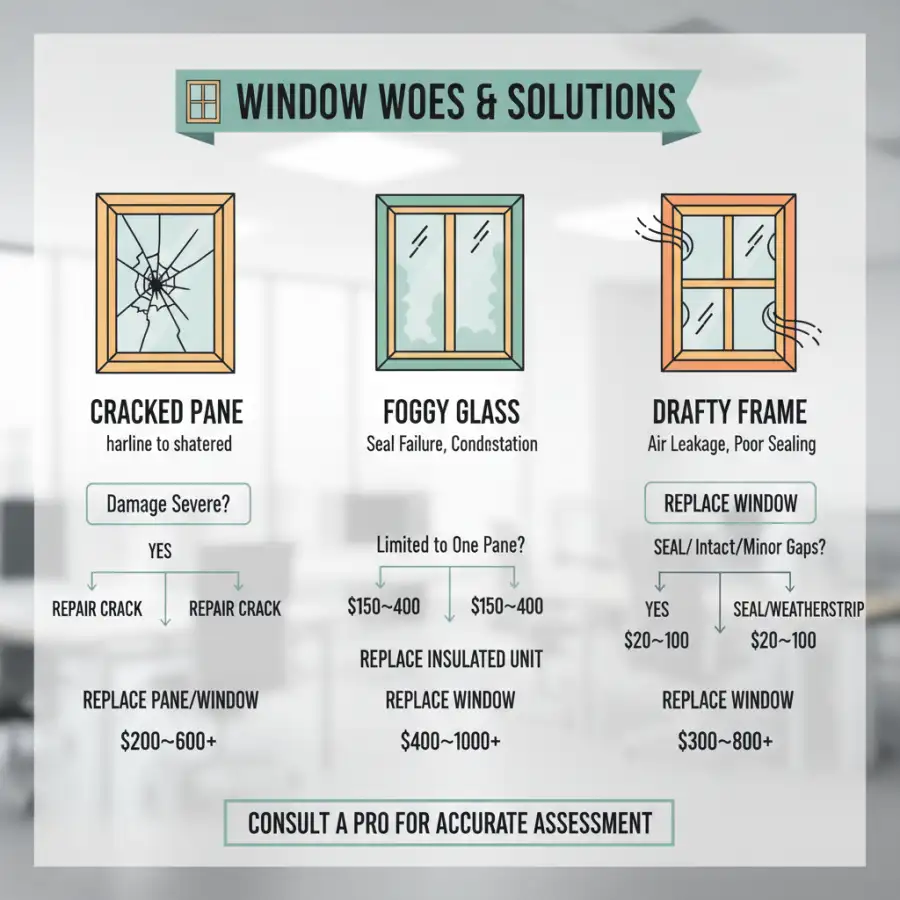
Another frequent complaint is condensation forming between the panes of double- or triple-glazed windows. This 'foggy window' effect indicates a broken seal in the insulated glass unit (IGU), allowing moisture-laden air to penetrate the space between the glass. Beyond aesthetic concerns, this significantly reduces the window's insulating properties. Difficult operation, such as sashes that stick, won't stay open, or are hard to lock, points to issues with the window's hardware, frame alignment, or accumulated dirt and debris. Sometimes, the problem might even be subtle, like an older, single-pane window simply not providing adequate insulation by modern standards.
Each of these issues prompts the fundamental question: can this be fixed with a repair, or is it time for a complete window replacement? The initial urge might be to opt for the seemingly cheaper, quicker repair. However, a superficial fix for a deeper underlying problem can be a costly mistake in the long run. Conversely, replacing a window that only needs a minor adjustment could be an unnecessary expenditure. This dilemma requires careful consideration of the immediate costs versus the long-term benefits of each approach. Is every window problem a death knell, or is there a simpler fix waiting to be discovered?
The Case for Window Repair: Precision and Preservation
For many homeowners, window repair offers a strong solution, particularly when dealing with isolated issues or a desire to maintain the original character of a home. Repair is often the most cost-effective approach for minor, localized damage. If, for instance, a single pane of glass is cracked or broken but the frame and sash remain in excellent condition, replacing just the glass is a straightforward and relatively inexpensive fix. Similarly, issues with faulty hardware, such as a broken latch, a jammed crank mechanism, or worn-out sash cords in older double-hung windows, can often be resolved by replacing the specific component rather than the entire unit.
Minor frame issues, such as small areas of wood rot or peeling paint that haven't compromised the structural integrity of the frame, can typically be addressed with carpentry work, wood fillers, and a fresh coat of paint. Even condensation between the panes of a double-glazed unit, though indicative of a seal failure, can sometimes be remedied by replacing only the insulated glass unit (IGU) within the existing frame. This approach preserves the original window frame while restoring thermal efficiency.
The primary advantages of opting for repair are clear: lower immediate cost, quicker execution, and the ability to maintain the architectural integrity of your home. This is particularly important for owners of historic properties or those with unique, custom-made windows where matching the original aesthetic with a modern replacement would be challenging or too expensive. Repairs allow you to preserve period details, original materials, and the craftsmanship that might be irreplaceable. However, it’s important to acknowledge the limitations. While repairs can address specific problems, they generally do not significantly improve overall energy efficiency if the underlying design of the window is outdated. A repaired single-pane window will still be a single-pane window, offering minimal insulation compared to a modern, energy-efficient unit. Furthermore, a series of repairs might indicate a deeper, systemic issue with the window's age or quality, eventually making replacement the more sensible option. While there's appeal in simple solutions, even luxury window replacement offers insights that can highlight the stark contrast in performance with older, repaired units. Can a small fix truly restore a window's full functionality and efficiency?
The Argument for Window Replacement: Efficiency and Transformation
While repair can be a suitable short-term fix, window replacement is often the superior long-term solution, especially when dealing with widespread problems, outdated technology, or a desire for a significant home upgrade. When is replacement not just an option, but a necessity? Extensive frame rot, warped sashes that no longer close properly, or frames that are severely deteriorated and compromising the window's structural integrity are clear indicators. Similarly, if your home still features single-pane windows, or older double-pane units with severely compromised seals that are perpetually foggy and drafty, the energy losses are likely substantial, making replacement a wise investment.
Modern windows reflect decades of advancements in material science and engineering, offering dramatically improved energy efficiency compared to units from even 10-15 years ago. Today's windows commonly feature double or triple glazing, often filled with inert gases like argon or krypton between the panes for superior insulation. Low-emissivity (low-E) coatings reflect radiant heat, keeping your home warmer in winter and cooler in summer, thereby significantly reducing heating and cooling costs. Frame materials have also evolved: vinyl offers excellent thermal performance and minimal maintenance, fiberglass provides superior strength and durability, and wood-clad options offer the warmth of wood interiors with weather-resistant exteriors. These advancements translate directly into enhanced home comfort, consistent indoor temperatures, and noticeable savings on utility bills.
Beyond efficiency, replacing your windows can significantly enhance your home's aesthetics and curb appeal. New windows can modernize a dated facade, create a brighter interior, and even reduce outside noise, creating a more peaceful living environment. The increase in home value is another compelling argument; studies consistently show that window replacement projects yield a high return on investment, making your home more attractive to potential buyers and resulting in a higher sale price. In fact, new windows are often cited as a key factor in boosting property value, a benefit detailed in discussions on how new windows enhance home value. Furthermore, new windows come with comprehensive manufacturer warranties on both the glass units and frame materials, offering peace of mind for decades to come.
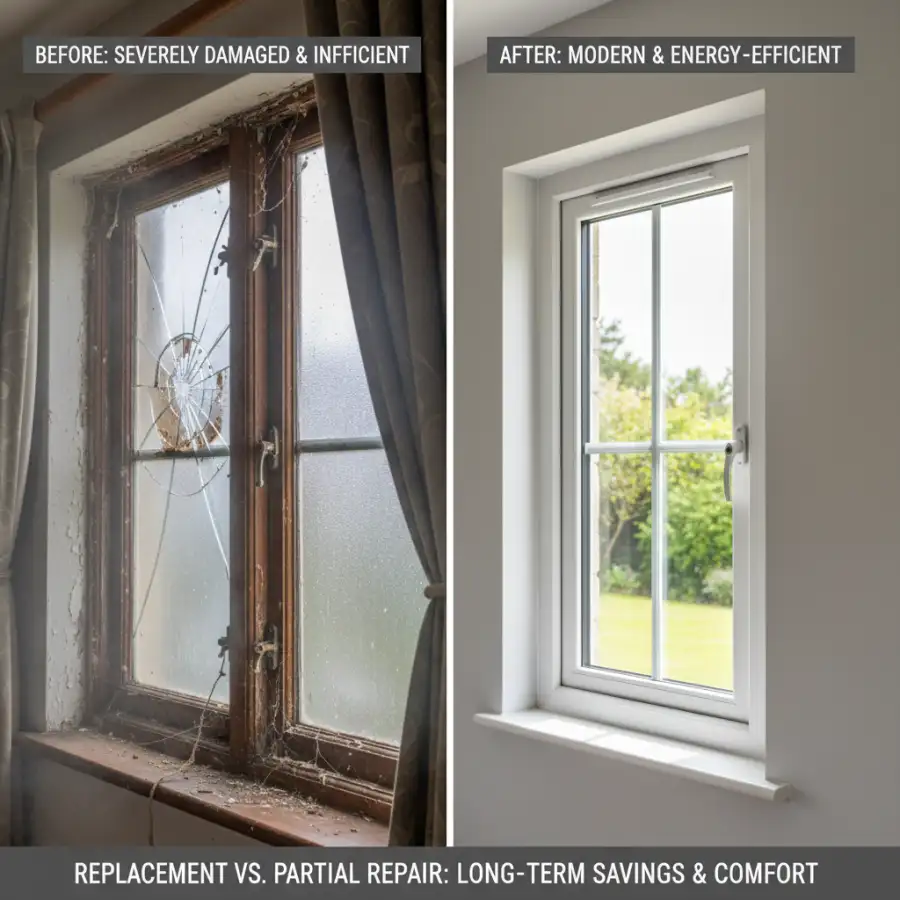
While the upfront cost of replacement is undoubtedly higher than most repairs, the long-term benefits in terms of energy savings, comfort, aesthetic upgrade, and increased home value often make it a wise and financially sound investment. Is the long-term benefit of a new window worth the upfront investment?
Factors to Consider: Age, Condition, and Energy Goals
The decision between window repair and replacement depends on a careful assessment of several interconnected factors. There's no one-size-fits-all answer; instead, it requires a thorough evaluation of your specific situation. The most important consideration is the age of your existing windows. If your windows are more than 20-25 years old, especially if they are original to an older home, they are likely single-pane or early-generation double-pane units that simply cannot offer the energy performance of modern windows. In such cases, while a repair might fix a specific issue, it won't address the fundamental inefficiency, making replacement the more sensible long-term choice.
The extent and nature of the damage are equally critical. A small crack in a single pane is a clear candidate for repair. However, if you're dealing with extensive wood rot affecting the entire frame, multiple broken seals, or mechanisms that are seizing up across several windows, the accumulated cost and effort of numerous repairs often exceed the value they provide. At this point, the structural integrity and overall functionality of the window are compromised, pointing strongly towards replacement.
Your energy efficiency goals also play an important role in this decision. Are you primarily looking to fix an annoying draft, or are you aiming for a dramatic reduction in your heating and cooling bills? Repairing a window, while it can seal air leaks, rarely improves its R-value or U-factor (measures of insulation) to the extent that a modern, energy-efficient replacement window can. If reducing your home's energy consumption and carbon footprint is a top priority, replacement with high-performance windows is almost always the answer. Moreover, consider your desired aesthetic upgrade. Do you simply want your window to function again, or do you envision a refreshed look for your home, inside and out? Replacements offer the opportunity to completely transform the appearance, style, and even the type of window (e.g., converting a double-hung to a casement), which repairs cannot achieve. How do you weigh immediate savings against long-term benefits and performance?
Finally, the impact on your home's value should be factored in. While a repair maintains current value, a well-chosen replacement can significantly boost it, providing a return on investment that goes beyond energy savings. Considering these factors will guide you toward the most appropriate and beneficial solution.
What this means for you
Navigating the window repair versus replacement dilemma can feel daunting, but with a structured approach, you can arrive at a confident decision tailored to your home and budget. For you, the homeowner, this means taking proactive steps to assess your situation and gather information before committing to any significant work. Begin by conducting a thorough inspection of all your windows. Identify specific issues for each: is it a broken pane, a draft, difficulty opening, or pervasive condensation?
If you have isolated issues such as a single broken glass pane, a faulty lock, or worn weatherstripping, prioritize exploring repair options. Seek quotes from skilled window repair specialists, especially those experienced with older or historic windows. These professionals can often source original parts or fabricate custom solutions, preserving your window's character at a lower cost than full replacement. However, if you're experiencing widespread drafts, persistent fogging in multiple insulated units, significant frame rot, or if your windows are single-pane and very old, the cumulative issues strongly indicate that replacement is the more economical and beneficial long-term solution.
To prepare for conversations with contractors, have your utility bills handy to provide a clear picture of your energy consumption. Take photos of problematic windows and note down any specific dimensions or historical features. When obtaining quotes, ask for both repair estimates (if applicable) and replacement estimates. For replacement, inquire about different window materials (vinyl, fiberglass, wood), glazing options (double, triple, low-E, argon gas), and warranties. Remember to ask for a "cost per window" breakdown for replacement options, and specifically how energy efficiency improvements are measured (U-factor, SHGC). Don't hesitate to mention resources like those found on platforms like "Window repair vs replacement Reddit" threads, as these community discussions often highlight practical considerations from other homeowners. This preparation empowers you to ask informed questions, compare proposals effectively, and avoid sales pressure.
Budgeting is another key consideration. While repair is typically less expensive upfront, replacement can offer significant long-term savings through reduced energy bills and increased home value. Explore financing options for replacements, as many installers offer plans that can make the upfront cost more manageable. How can you use these tools to build a strong negotiating position and ensure you get the best value?
Risks, trade-offs, and blind spots
Even with thorough research, both window repair and replacement come with their own set of risks, trade-offs, and potential blind spots that homeowners must consider. Opting for a repair, while often more budget-friendly in the short term, carries the risk of being a temporary fix. A repair might address the symptom without tackling the root cause, leading to recurring problems and cumulative costs that could eventually exceed the price of a full replacement. For older, unique windows, finding matching parts can be difficult or impossible, leading to mismatched aesthetics or costly custom fabrication. Furthermore, while a repair can seal a draft, it rarely improves the inherent thermal performance of an outdated window structure, meaning you might continue to bleed energy and money over time.
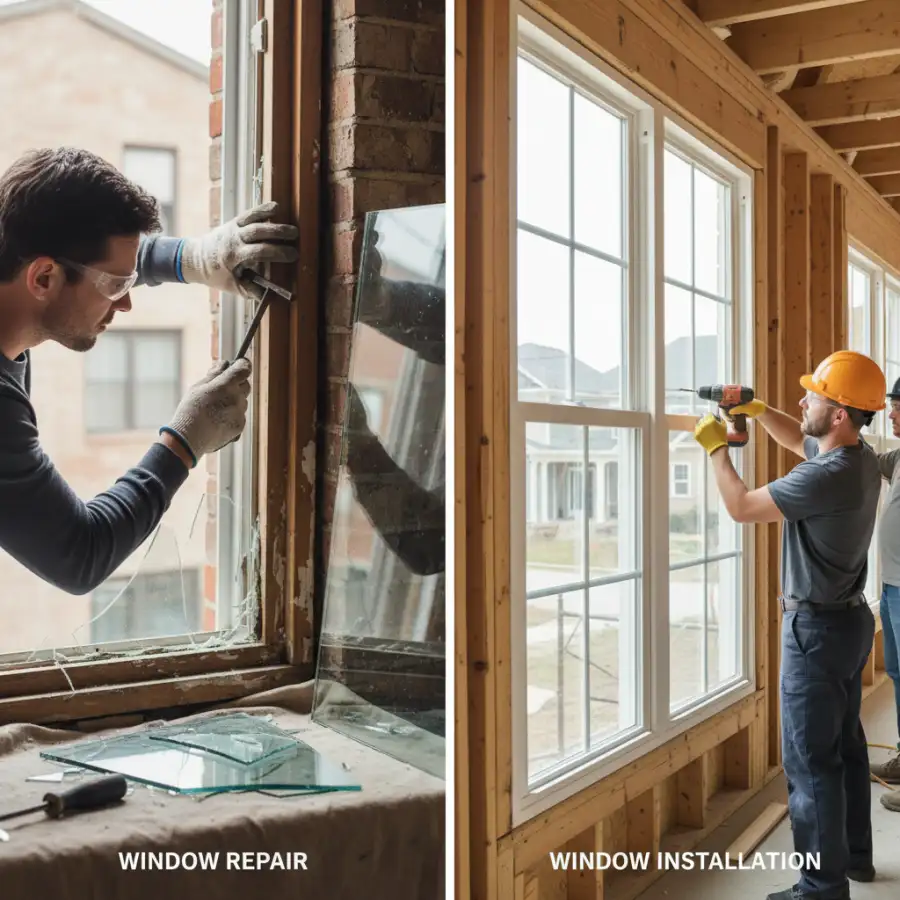
On the other hand, window replacement, despite its long-term benefits, comes with its own set of trade-offs and risks. The primary concern is the higher upfront investment. While this often yields significant returns, it requires substantial capital or a financing commitment. Poor installation is another critical risk; even the highest quality window can perform poorly if not installed correctly, leading to drafts, leaks, and operational issues. Therefore, vetting your installer rigorously is as important as choosing the right window. Selecting the wrong type of window for your climate or architectural style can also diminish desired aesthetic or performance benefits. Additionally, for homes built before 1978, window replacement can disturb lead-based paint, necessitating specialized and more costly abatement procedures that might not be included in initial estimates.
A common blind spot for homeowners is focusing solely on the immediate cost without considering the long-term savings from improved efficiency or the boost to their home's market value. Warranty considerations are also crucial; understand what’s covered (glass, frame, installation workmanship) and for how long. Performance degradation, while slow, is natural, and seals might fail before the full lifespan of the glass unit. What unforeseen issues or costs could emerge to impact your carefully planned window project?
Main points
The choice between repairing and replacing your windows is a significant decision that impacts your home's comfort, aesthetics, energy efficiency, and value for years to come. By carefully weighing all the factors and being aware of potential pitfalls, you can confidently make the best choice for your property. Here are the key insights to guide your decision:
- Window repair is often cost-effective and appropriate for minor, isolated issues like broken glass panes, faulty hardware, or small frame imperfections, especially in historic homes.
- Window replacement is generally the superior long-term solution for widespread problems, significant frame damage, pervasive drafts, or outdated, inefficient single-pane or early double-pane windows.
- Modern replacement windows offer dramatic improvements in energy efficiency through advanced glazing, low-E coatings, and insulated frames, leading to substantial reductions in utility bills.
- Beyond efficiency, new windows can significantly boost your home's curb appeal, increase property value, and enhance indoor comfort by reducing noise and maintaining consistent temperatures.
- Key factors influencing your decision include the age and overall condition of your existing windows, your specific energy efficiency goals, and the desired aesthetic transformation for your home.
- Always obtain multiple detailed quotes for both repair (if applicable) and replacement options, comparing them based on "cost per window" and understanding included warranties.
- Be aware of potential hidden costs such as necessary electrical upgrades, pre-installation roof repairs, or lead paint abatement for older homes, which can impact the overall project budget.
- While a repair offers a quicker, cheaper fix, it often doesn't address underlying efficiency issues, making replacement a more comprehensive and ultimately more valuable investment for lasting benefits.
Ready to revitalize your home? Armed with this comprehensive comparison, you’re now equipped to make an informed decision that enhances your living space for years to come. Even in the broader context of decoding commercial window replacement, the core principles of value and efficiency remain paramount.