

Window Replacement Costs: Your Definitive Guide to Budgeting and Smart Buying
Understanding the True Price of New Windows: From Materials to Installation, and Maximizing Your Home's Value
Struggling to understand the often-mysterious world of window replacement costs? Discover how to break down every expense, ensuring you budget accurately and make a confident choice for your home.
Imagine knowing exactly what influences the price of your new windows, helping you navigate quotes and identify the best value without hidden surprises. Learn the insider secrets to smart window purchasing.
Don't let budget uncertainty delay your home's upgrade. This guide provides a comprehensive roadmap to understanding window replacement costs, from materials to installation, so you can transform your home with clarity.
Windows are more than just panes of glass and frames; they are critical elements of your home's energy efficiency, comfort, security, and aesthetic appeal. Over time, however, even well-maintained windows can lose their effectiveness, leading to drafts, condensation, difficult operation, and escalating energy bills. When these issues arise, the thought of window replacement often comes with a significant question mark over the cost. It's a major home improvement project, and understanding the financial outlay can feel like navigating a complex maze. This definitive guide is meticulously designed to illuminate the comprehensive costs associated with window replacement, enabling you to budget effectively and make an informed purchasing decision. We’ll explore the various factors that influence the final price, from the type of window and material you choose to labor expenses and vendor-specific pricing strategies, including insights into major retailers. By equipping you with this thorough knowledge, you’ll be able to approach your window replacement project with confidence and clarity, maximizing both your investment and your home's long-term value.
Quick navigation
- Decoding the Window Replacement Price Tag: Key Components
- Materials Matter: Vinyl, Wood, Fiberglass, and Aluminum Costs
- Beyond the Unit: Installation Labor and Regional Variances
- Vendor Insights: Home Depot, Lowe's, and Specialty Installers
- What this means for you
- Risks, Trade-offs, and Blind Spots
- Main Points
Decoding the Window Replacement Price Tag: Key Components
Understanding the true cost of window replacement requires a granular look at its key components. The price isn't simply for a piece of glass and a frame; it's a sum of several distinct factors, each contributing significantly to the final figure. The first and most obvious component is the window unit itself. This includes the frame material, the type of glass (glazing), and the window style. Different styles, such as double-hung, casement, sliding, picture, bay, or bow windows, vary considerably in manufacturing complexity and material requirements, directly influencing their cost.
For instance, a standard double-hung window will typically be more affordable than a custom-sized bay window, which requires more intricate framing and installation. The glass itself is a major cost driver, with options ranging from standard double-pane to energy-efficient triple-pane units, often filled with inert gases like argon or krypton, and featuring Low-E (low-emissivity) coatings. These advanced glazing options significantly improve thermal performance but come at a higher price point. Even elements like the color of the frame, grid patterns, or specialized hardware can add to the unit's cost.
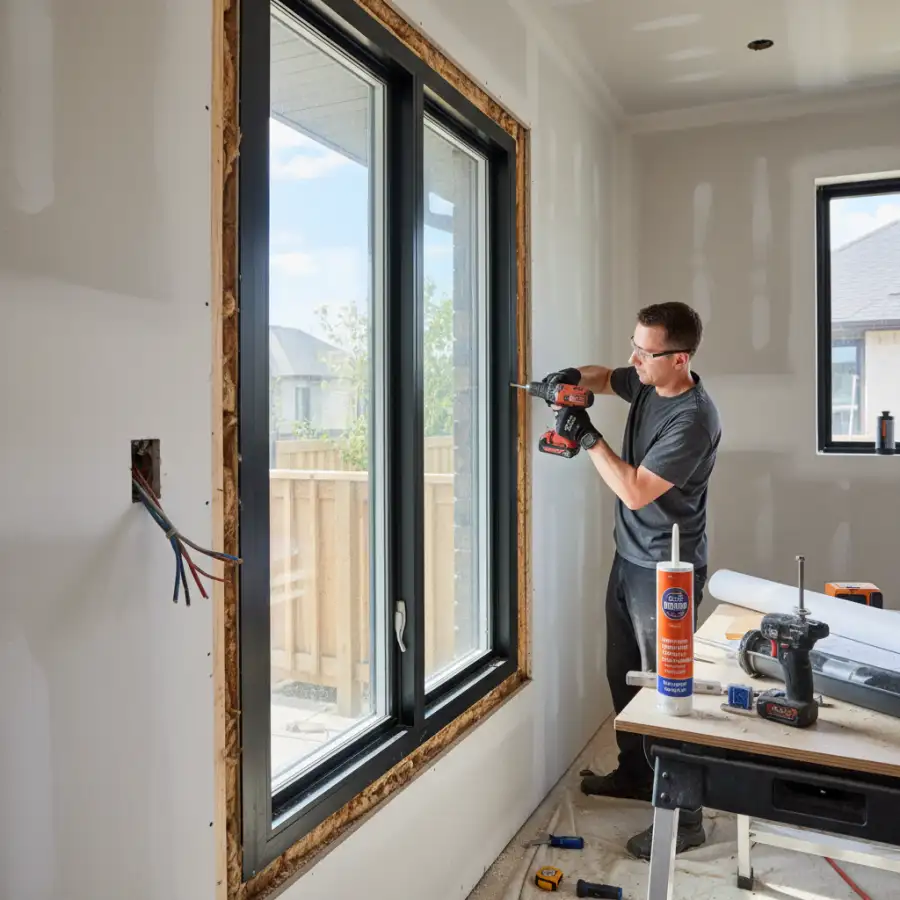
Beyond the physical window, labor costs constitute a significant portion of the overall expense. This includes the time and skill required for the removal of your old windows, preparation of the opening, precise installation of the new units, sealing, insulation, and any necessary interior or exterior finishing work. Complex installations, such as those on upper floors, in hard-to-reach areas, or involving structural modifications, will naturally incur higher labor fees. 'Soft costs' are another often-overlooked category. These can include permit fees required by local building codes, disposal fees for the old windows, and potentially unforeseen expenses like minor carpentry work if the existing window opening isn't perfectly plumb or square. The spectrum of options is wide, from basic upgrades to choices that rival luxury window replacement, where every detail is meticulously crafted. Is a window's price merely about its glass and frame, or is there a deeper cost story to uncover?
Materials Matter: Vinyl, Wood, Fiberglass, and Aluminum Costs
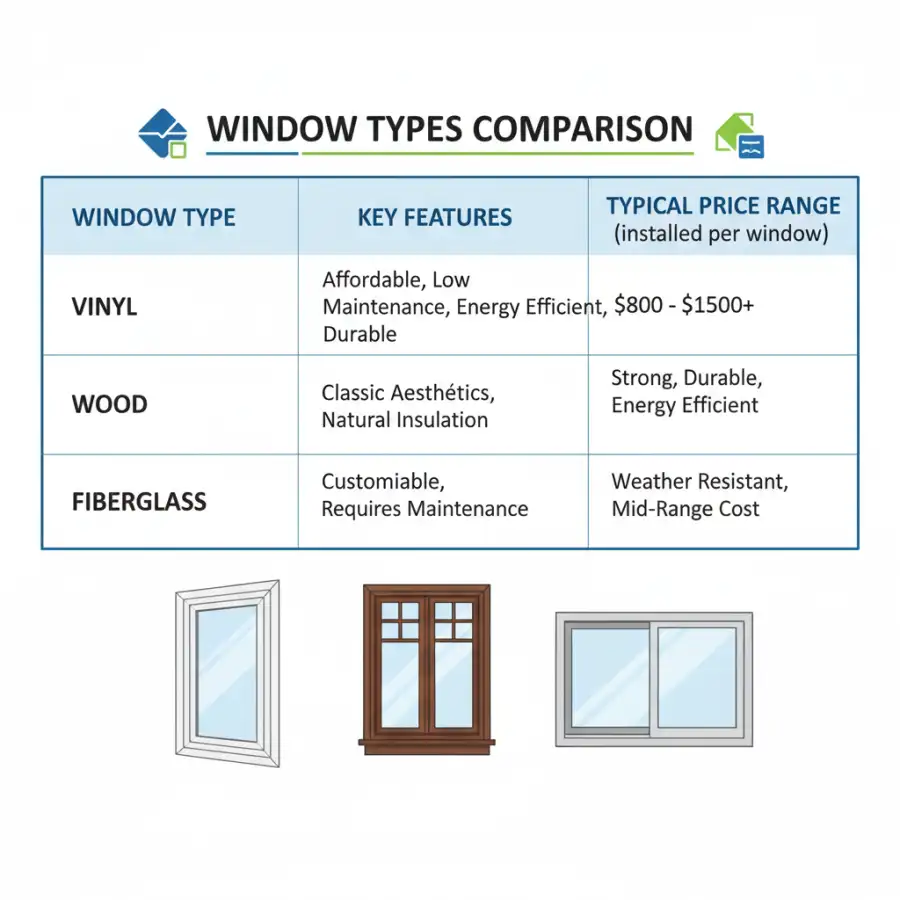
The choice of frame material is one of the most significant determinants of your window replacement cost, influencing not only the upfront price but also long-term durability, maintenance, and energy performance. Each material comes with its own set of advantages and price points, catering to different budgets and aesthetic preferences.
Vinyl windows are typically the most affordable option, making them a popular choice for budget-conscious homeowners. They offer excellent energy efficiency, require minimal maintenance (no painting or staining), and are highly durable. Their cost-effectiveness, combined with good thermal performance, makes them a strong value proposition. However, customization options for vinyl can be more limited compared to other materials.
Wood windows, while generally at the higher end of the cost spectrum, are prized for their classic beauty, natural insulation properties, and ability to be painted or stained to match any interior decor. They offer superior aesthetics and are often preferred for historic homes or those where a traditional look is desired. The trade-off is that wood frames require regular maintenance, including painting, sealing, or staining, to protect them from moisture and rot.
Fiberglass windows sit in the mid-to-high cost range and are celebrated for their exceptional strength, durability, and energy efficiency. Fiberglass frames are incredibly stable, resisting warping, expanding, and contracting with temperature changes, which contributes to long-term performance and reduced air leakage. They are also low maintenance and can often be painted. Their robust nature makes them an excellent long-term investment.
Aluminum windows offer a sleek, modern aesthetic with very slim sightlines, maximizing glass area. They are highly durable and low maintenance. While they can be a mid-range cost option, traditional aluminum frames are not always as energy-efficient as vinyl or fiberglass, as metal is a good conductor of heat and cold. However, manufacturers have introduced thermally broken aluminum frames that incorporate insulating barriers to significantly improve their energy performance.
Beyond the frame material, the glass package (glazing) also heavily influences cost. Double-pane windows are standard, but upgrading to triple-pane, incorporating low-emissivity (Low-E) coatings, or filling the space between panes with inert gases like argon or krypton will increase the cost per window. These upgrades, however, provide superior insulation and significantly enhance energy efficiency, leading to greater long-term savings on your utility bills. Does prioritizing upfront savings on materials compromise long-term performance and value?
Beyond the Unit: Installation Labor and Regional Variances
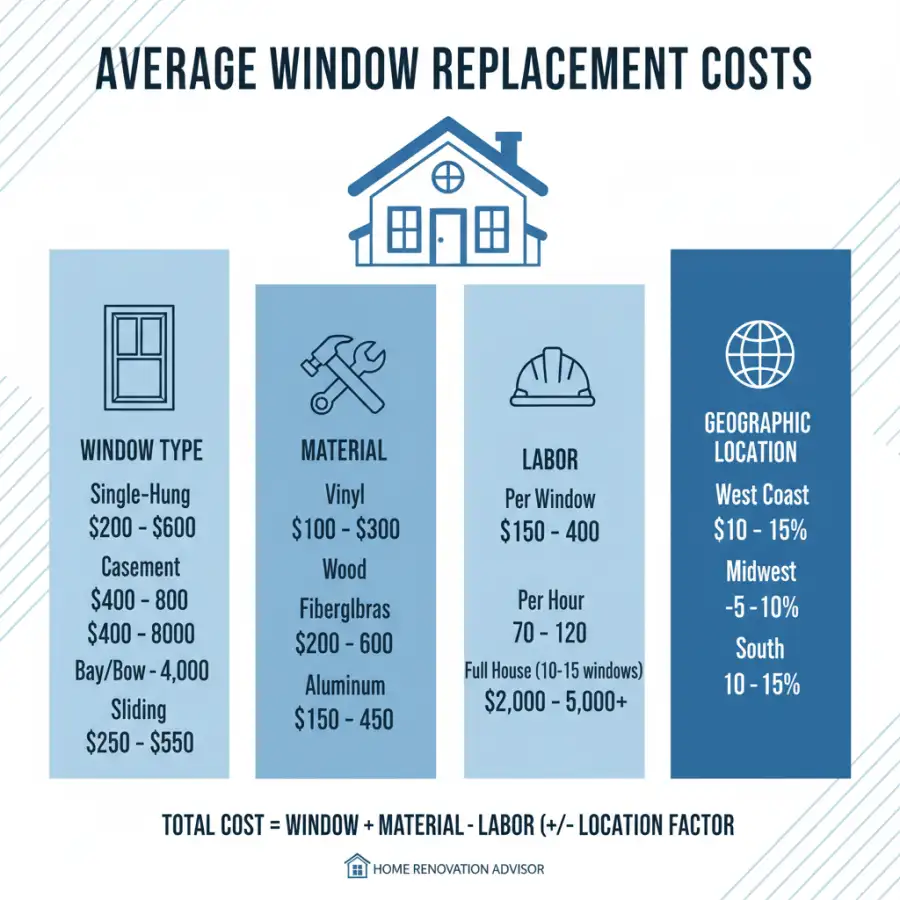
While the cost of the window unit itself is a major component, ignoring installation labor would provide an incomplete picture of your total window replacement cost. Labor can easily account for 25% to 50% or more of the overall project price, depending on various factors. The number of windows being replaced directly drives this, as more windows mean more labor hours. However, it's not simply a matter of quantity; the complexity of each installation also plays a critical role.
Factors that increase labor costs include oversized or unusually shaped windows, challenging access (e.g., windows on upper floors requiring scaffolding or specialized equipment), and the need for significant exterior or interior finishing work around the new frame. If your old windows are particularly difficult to remove, or if structural damage (like dry rot) is discovered once the old units are out, these unforeseen complications will add to the labor hours and thus the cost. The type of installation also matters: 'replacement' windows are designed to fit into existing frames, requiring less labor, while 'new construction' windows involve tearing out the entire frame, which is more labor-intensive but can address deeper structural issues.
Geographical location is another significant variable impacting labor rates. Areas with a higher cost of living and stronger demand for skilled labor will naturally see higher installation costs. Similarly, contractors in metropolitan areas often charge more than those in rural regions. It's not uncommon for labor costs for the exact same window type to vary by hundreds of dollars per window depending on where you live. This regional variance necessitates obtaining quotes from local contractors to get an accurate estimate for your area.
A reputable installer will provide a detailed quote that breaks down the cost of materials and labor separately, giving you transparency into where your money is going. While it might be tempting to consider a DIY installation to save on labor, this is generally not advisable for a project as critical as window replacement. Improper installation can lead to drafts, leaks, structural damage, and voided warranties, costing far more in the long run than professional installation. Is a DIY installation truly a cost-saver, or a hidden invitation for future headaches?
Vendor Insights: Home Depot, Lowe's, and Specialty Installers
When it comes to purchasing and installing new windows, homeowners typically have two main avenues: large home improvement retailers like Home Depot and Lowe's, or dedicated specialty window installers. Each option presents distinct approaches to pricing, product selection, and service, which is crucial for understanding your total window replacement cost.
Home Depot and Lowe's offer a broad selection of window brands and types, often at competitive prices for the units themselves. Their business model typically allows customers to purchase windows directly off the shelf or place custom orders. For installation, they often partner with third-party contractors, or you can opt for a DIY installation (though, as mentioned, this carries significant risks). The advantage here is convenience and often perceived lower upfront product costs. However, the installation service might be less personalized, and coordinating between the product purchase and the separate installation can sometimes add complexity. The overall cost will be the sum of the window unit price plus the installation fee from their partner network, which may or may not be transparently bundled.
Specialty window installers, on the other hand, focus exclusively on windows and doors. These companies offer a full-service experience, typically including in-home consultations, precise measurements, custom ordering, professional installation by their own trained crews, and comprehensive warranty management. While their initial quotes might appear higher than a window unit purchased from a big box store, this price often encompasses the entire project from start to finish. They bring specialized expertise, a deeper knowledge of window technologies, and often offer higher-quality, proprietary window lines not available elsewhere. Their installers are typically experts in window fitting, which is crucial for maximizing energy efficiency and preventing future issues.
The trade-off between these options revolves around cost, convenience, expertise, and long-term value. Big box stores might offer a lower entry point, but the burden of coordinating installation and ensuring quality may fall more on the homeowner. Specialty installers, while potentially more expensive upfront, provide peace of mind through their comprehensive service, specialized product knowledge, and often superior installation quality, which can lead to better energy performance and fewer problems down the line. It's crucial to obtain detailed quotes from both types of vendors, comparing not just the bottom line, but what each quote *includes* in terms of product specifications, installation scope, and warranty coverage. Does convenience at a big box store always equate to the best long-term value for a complex home upgrade?
What this means for you
Navigating the various components of window replacement costs might seem daunting, but armed with this comprehensive knowledge, you are now able to make highly informed decisions for your home. For you, the homeowner, this means taking a strategic, proactive approach to budgeting and purchasing. Begin by identifying your specific needs and priorities: Are you replacing due to damage, energy inefficiency, or aesthetic upgrade? This will guide your material and style choices, from vinyl to wood, and from standard double-hung to more intricate bay windows.
The most crucial step is to obtain at least three detailed, itemized quotes. Don't settle for vague estimates. Insist on a breakdown of costs for the window units themselves (specifying material, glazing, and any features), labor (including removal, installation, and finishing), and any 'soft costs' like permits or disposal. This transparency allows you to compare apples to apples. When comparing quotes, pay close attention to the "cost per window" and how it's calculated. Does one quote include all aspects, while another separates product from installation? Always clarify these details.
Ask specific questions about the products: What are the U-factor and Solar Heat Gain Coefficient (SHGC) ratings? These energy performance metrics are crucial for selecting windows appropriate for your climate and energy-saving goals. Inquire about the manufacturer's warranty for the windows and the installer's warranty for the workmanship. Understanding what's covered, and for how long, is vital for long-term peace of mind. Remember that new windows are a significant investment that can dramatically boost your home's value and curb appeal.
Finally, prepare for potential unforeseen costs by allocating a contingency fund (typically 10-15% of the estimated total). This will cover any surprises discovered during the removal of old windows, such as dry rot or the need for electrical panel upgrades in older homes. By taking these steps, you move from merely accepting a price to actively understanding and negotiating the best value. How can you move from understanding costs to confidently securing the best deal for your home?
Risks, Trade-offs, and Blind Spots
Even with meticulous planning, the window replacement process carries inherent risks, trade-offs, and potential blind spots that can impact your budget and satisfaction. A significant risk is the discovery of hidden damage once old windows are removed. This can include extensive dry rot in the framing, water damage, or even structural issues that weren't visible from the surface. Addressing these problems is crucial for the longevity and integrity of your new windows but will add unforeseen costs and extend the project timeline. Similarly, older homes may have lead-based paint around window casings; disturbing this during removal necessitates specialized, more expensive abatement procedures to comply with safety regulations.
One trade-off often involves balancing aesthetics with efficiency. For owners of historic homes, preserving the original character might mean opting for more expensive, custom-built wood windows that mimic the old design, even if modern vinyl or fiberglass offers superior thermal performance at a lower cost. Compromising on quality for a lower upfront price is another common trade-off that often leads to future regrets. Cheaper windows may have inferior materials, less effective glazing, or shorter lifespans, ultimately costing more in energy bills or premature replacement.
A major blind spot can be neglecting the crucial role of proper installation. Even the highest-quality, most expensive window will perform poorly if installed incorrectly. Faulty installation can lead to drafts, leaks, condensation, difficult operation, and even structural damage to your home, all of which negate the benefits of new windows and incur further repair costs. Therefore, an installer's reputation, experience, and warranty on workmanship are as vital as the window's brand and specifications. Another oversight is failing to thoroughly understand warranty limitations – what parts are covered, for how long, and what voids the warranty. Some warranties cover the glass unit but not the frame, or vice-versa, and installation warranties typically differ from product warranties.
Finally, homeowners sometimes overlook the long-term maintenance needs of different window materials. While vinyl is low-maintenance, wood requires regular care. Understanding these commitments helps manage expectations and avoid unexpected future expenses. What critical details might slip through the cracks when focusing solely on the bottom line?
Main Points
Successfully navigating the complexities of window replacement costs empowers you to make a smart investment in your home's comfort, efficiency, and value. By understanding the detailed financial landscape, you can approach this project with confidence and clarity. Here are the core insights to guide your budgeting and purchasing decisions:
- Window replacement costs are influenced by the window type (style, size), frame material (vinyl, wood, fiberglass, aluminum), glazing options (double/triple pane, Low-E, inert gases), and crucial labor expenses.
- Vinyl windows typically offer the most budget-friendly balance of cost and energy efficiency, while wood and fiberglass present higher upfront costs but boast superior aesthetics, durability, or insulation.
- Installation labor can account for a significant portion of the total cost, varying based on project complexity, access, and regional labor rates; professional installation is vital for optimal performance.
- Compare vendor approaches: big box retailers like Home Depot and Lowe's may offer competitive product pricing but often rely on third-party installers, whereas specialty window companies provide full-service expertise and installation.
- Always obtain at least three detailed, itemized quotes that clearly separate product, labor, and soft costs to ensure a transparent and comparable evaluation.
- Prioritize energy efficiency ratings (U-factor, SHGC) relevant to your climate, as these contribute significantly to long-term savings on utility bills.
- Budget for potential unforeseen expenses, such as the discovery of dry rot, structural repairs, or lead paint abatement in older homes, by setting aside a contingency fund.
- Thoroughly understand all warranty details—covering both the window product and installation workmanship—to protect your investment against future issues.
Ready to transform your home with new windows? Armed with this comprehensive guide, you’re now equipped to make an informed decision and secure the best value for your investment. For further insights into large-scale projects, consider decoding commercial window replacement strategies for broader context.