

Window Replacement for Historic Homes: Navigating Preservation and Modernity
A comprehensive guide to unique challenges, regulations, materials, and costs for restoring your heritage property.
Owning a historic home is a unique privilege, but it often comes with the delicate balance of preserving its original character while integrating modern comfort. How do you respect the past without sacrificing today’s efficiencies?
The charm of antique windows is undeniable, yet their drafts and high energy bills can be a constant struggle. Imagine finding replacement windows that honor your home’s heritage while delivering superior performance and long-term value.
Navigating historic window replacement can feel like a complex journey of regulations, specialized materials, and unique craftsmanship. What if you had a clear roadmap to make informed decisions that safeguard your home’s legacy?
Historic homes, with their intricate architectural details and rich narratives, offer a profound connection to the past. However, maintaining these treasured properties often presents a unique set of challenges, particularly when it comes to windows. Original windows, while integral to a home's character, are frequently inefficient, prone to drafts, and require constant maintenance. The decision to undertake a window replacement for historic homes is therefore not merely a renovation project; it's a careful act of balancing historical preservation with modern demands for energy efficiency, comfort, and longevity. This process is further complicated by stringent regulations and the need for specialized materials and craftsmanship.
This comprehensive guide is designed to demystify the complex world of historic window replacement. We will explore the unique challenges and regulations governing such projects, investigate suitable materials and styles that honor a home's original aesthetic, and guide you in finding reputable manufacturers and contractors specializing in heritage properties. We'll also address the crucial aspect of costs, providing insights into the investment required for authentic and high-performing solutions. Our aim is to equip you with the knowledge to make informed decisions that both preserve your historic home's integrity and enhance its contemporary livability, ensuring its legacy endures for generations to come.
Quick navigation
- Unique Challenges and Regulations for Historic Window Projects
- Authenticity Meets Efficiency: Suitable Materials and Styles
- Choosing Your Partners: Historic Window Manufacturers and Contractors
- Understanding the Investment: Costs for Historic Window Replacement
- The Preservation Spectrum: Repair, Restoration, or Replacement?
- What this means for you
- Risks, trade-offs, and blind spots
- Main points
Unique Challenges and Regulations for Historic Window Projects
Replacing windows in a historic home is a far cry from a standard renovation. It’s a project imbued with specific challenges and often governed by stringent regulations designed to protect the architectural integrity of the past. Homeowners undertaking such a venture must navigate a landscape of historical committees, preservation guidelines, and specialized requirements that dictate not just what can be done, but how it must be done. Can any modern window truly respect the subtle nuances and craftsmanship of a bygone era, or does it inevitably compromise the home's authentic charm?
The primary challenge stems from the delicate balance between preservation and modernization. Historic windows, even when deteriorated, are often considered key character-defining features. Their unique dimensions, glass quality (often wavy or hand-blown), muntin profiles (the strips of wood or metal separating panes), and opening mechanisms contribute significantly to the home's period authenticity. Replacing them indiscriminately with off-the-shelf modern units can drastically alter the home's aesthetic and devalue its historical significance.
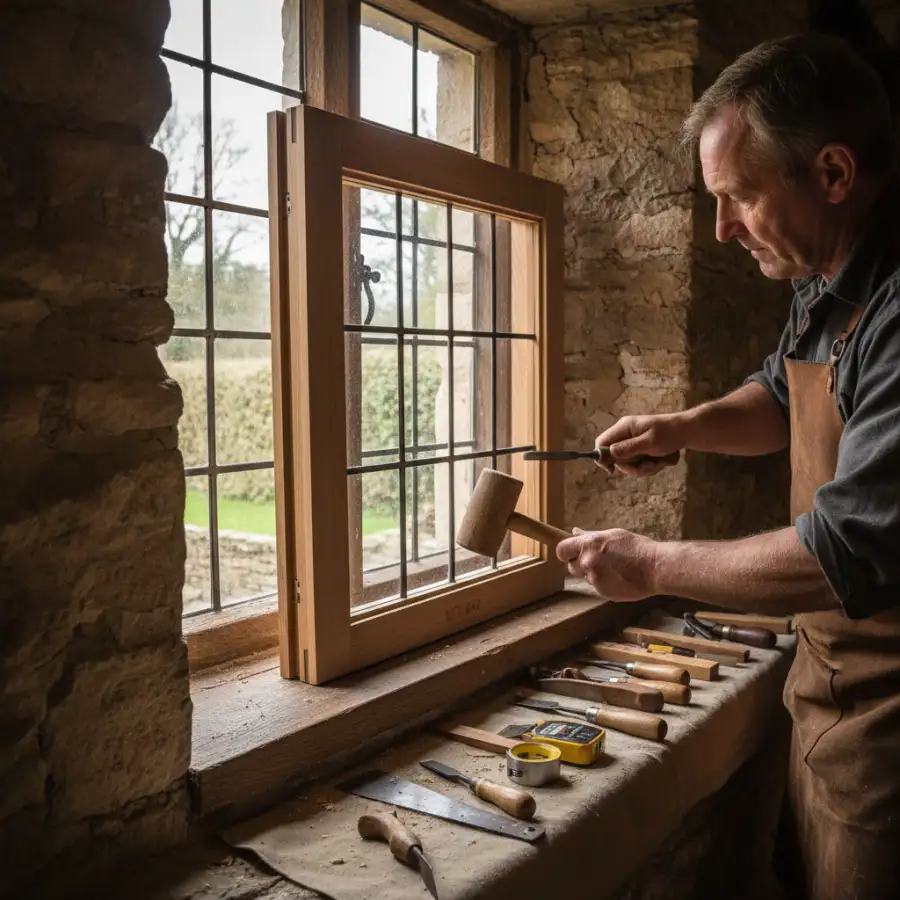
This concern leads directly to the formidable array of regulations and guidelines. If your historic home is located within a designated historic district, is listed on a national or local historic register, or receives any form of historical tax credit, you will almost certainly be subject to strict rules. These may include:
- Local Historic Preservation Commissions: These bodies often have the final say on exterior alterations, including window replacement. They require detailed plans, material specifications, and often mandate a 'like-for-like' replacement or a very close approximation of the original design.
- Secretary of the Interior's Standards for the Treatment of Historic Properties: These federal guidelines, often adopted by local commissions, emphasize retaining and preserving historic features. Replacement is generally discouraged unless the original window is beyond repair and a new window can match the old one in design, material, and dimensions.
- Material Restrictions: Many regulations will specify that new windows must be made of the same material as the original (e.g., wood), prohibiting modern alternatives like vinyl or aluminum, even if they offer superior energy performance.
- Design and Profile Matching: Every detail, from the width of the muntins to the depth of the window frame in relation to the wall, must often be replicated precisely to maintain historical accuracy.
Navigating these regulations requires patience, thorough research, and often the expertise of an architect or contractor specializing in historic preservation. Failing to obtain the necessary approvals can result in stop-work orders, hefty fines, or even the requirement to reverse unapproved changes at your own expense. Therefore, before even considering materials or costs, understanding and engaging with the local regulatory framework is the non-negotiable first step in any historic window replacement project.
Authenticity Meets Efficiency: Suitable Materials and Styles
The core dilemma in window replacement for historic homes lies in marrying the need for historical authenticity with the desire for modern energy efficiency and functionality. While original windows often boast unparalleled craftsmanship, their single-pane glass and rudimentary seals are notorious energy drains. Finding suitable materials and styles that honor a home's unique heritage while delivering contemporary performance is a specialized task. How can one select windows that seamlessly blend into a historic facade without betraying its character or compromising on comfort?
For most historic homes, wood remains the gold standard for window frames. Original windows were predominantly made of wood, and replicating this material ensures the closest match to the existing aesthetic. Modern wood windows, however, are a far cry from their predecessors. They often feature:
- Insulated Glass Units (IGUs): Double-pane or even triple-pane glass with low-emissivity (Low-E) coatings and inert gas (like argon) fills dramatically improves thermal performance.
- Precise Craftsmanship: Specialized manufacturers craft wood windows with narrow muntin profiles that accurately replicate historic designs, often matching specific period styles (e.g., Colonial, Victorian, Craftsman).
- Durable Finishes: Factory-applied finishes offer superior protection against weather, reducing maintenance needs compared to traditional wood.
While wood is often preferred, other materials can be considered where regulations allow or budget dictates. Fiberglass windows offer exceptional durability, stability, and excellent insulation properties. They can be painted to match historic colors and often mimic the appearance of wood with surprisingly convincing results, making them a viable alternative for some projects where strict wood-only mandates are not in place. However, replicating intricate profiles can still be a challenge.
Clad wood windows, which feature a wood interior and an exterior clad in aluminum or fiberglass, offer the best of both worlds: the warmth of wood inside and the low-maintenance durability of cladding outside. This option can be particularly appealing for larger projects or homes in harsh climates, as it significantly reduces exterior upkeep while preserving interior authenticity.
Materials like vinyl and aluminum are generally discouraged or outright prohibited for historic home replacements due to their distinctly modern appearance and inability to replicate fine historical details. Their thicker frames and different profiles often clash with period architecture, undermining the home's historic value. When exploring options, it's crucial to understand that not all window manufacturers offer solutions suitable for historic applications; focusing on those specializing in bespoke or historically sensitive designs is key. For more premium and specialized options, exploring articles on luxury window replacement might reveal manufacturers capable of meeting the highest aesthetic and performance standards for heritage properties.
Choosing Your Partners: Historic Window Manufacturers and Contractors
The success of a historic window replacement project hinges not just on the materials chosen, but critically on the expertise of the professionals involved. This isn't a job for a general contractor or a mass-market window installer. It demands specialized knowledge, a deep respect for historical architecture, and often a network of artisans who understand the nuances of heritage craftsmanship. When facing such a specialized task, how do you identify the right historic window replacement manufacturers and contractors who truly understand the delicate balance of preservation and modern function?
Identifying reputable historic window manufacturers is paramount. These are companies that typically offer bespoke or historically accurate window lines, often focusing on wood or clad-wood products designed to meet preservation guidelines. Look for manufacturers who:
- Specialize in Historic Replication: They should have a dedicated product line or custom capabilities for historic windows, demonstrating an understanding of period-appropriate profiles, glazing options, and hardware.
- Offer Design Flexibility: Historic homes come in diverse architectural styles. The manufacturer should be able to match specific window styles (e.g., double-hung, casement, bay windows) and replicate unique features like wavy glass, narrow muntins, or curved sashes.
- Provide Performance Data: While aesthetics are key, modern performance is also crucial. Reputable manufacturers will provide NFRC (National Fenestration Rating Council) ratings for U-factor, Solar Heat Gain Coefficient (SHGC), and Visible Transmittance (VT) for their historically accurate units.
- Have a Strong Portfolio: Examine their past projects on historic properties, looking for examples that demonstrate successful integration of new windows into existing architecture.
Equally important is selecting a highly experienced contractor specializing in historic window replacement. This expertise extends beyond mere installation:
- Preservation Experience: They should have a track record of working on historic properties and be familiar with local preservation guidelines and regulatory bodies.
- Custom Fabrication Skills: Often, historic openings are not perfectly square or plumb. A skilled contractor can adapt and customize new units to fit existing openings precisely, minimizing damage to surrounding historic fabric.
- Knowledge of Period-Appropriate Installation: Historic installation techniques can differ from modern methods. The contractor should understand how to properly flash, seal, and integrate new windows without compromising the building's original structure.
- References and Insurance: Always request references from previous historic home clients and verify their licensing and insurance to protect yourself from liabilities.
Working with professionals who possess this specialized knowledge ensures that your new windows not only perform efficiently but also contribute positively to your home's historical narrative. Without their expertise, even the finest replacement windows can look out of place or be installed incorrectly, leading to long-term issues and potentially devaluing your cherished property.
Understanding the Investment: Costs for Historic Window Replacement
Undertaking window replacement for a historic home is undeniably a significant financial commitment. The specialized materials, bespoke craftsmanship, and meticulous installation required to meet preservation standards often translate into higher costs compared to standard window projects. However, viewing these expenses purely as a burden overlooks the substantial long-term value, comfort, and authenticity they bring. When considering the price tag, how do you accurately assess the true investment, balancing the upfront cost with the enduring benefits for your historic property?
The costs for historic window replacement can vary widely, influenced by several key factors:
- Material Choice: Authentic wood windows, particularly custom-milled to match original profiles, are generally the most expensive option. Clad wood windows offer a balance of aesthetic and durability at a slightly lower, but still premium, price point. While fiberglass can sometimes be used, it typically isn't a significant cost-saver if it's being highly customized to historic specifications.
- Degree of Customization: Standard-sized windows will always be more affordable than custom-sized or uniquely shaped units. Historic homes frequently have non-standard openings, requiring custom fabrication which adds to the cost. Replication of intricate details like specific muntin patterns or sash profiles also increases complexity and expense.
- Glass Type: Modern, high-performance insulated glass units (double or triple pane, Low-E coatings, argon/krypton gas) are more expensive than basic glass. However, their energy savings often justify the investment over time. For maximum authenticity, some projects might even incorporate historically accurate wavy glass, which is a premium feature.
- Installation Complexity: Historic homes often have irregular openings, older wall structures, and delicate exterior finishes that require extra care during removal and installation. This specialized labor, performed by experienced historic preservation contractors, contributes significantly to the overall cost. Unlike standard installations, this often involves careful integration to avoid damaging surrounding brickwork, siding, or trim.
- Geographic Location & Contractor Expertise: Costs vary by region and the demand for specialized historic renovation services. Highly experienced and reputable historic contractors command higher rates, but their expertise often prevents costly mistakes and ensures a superior, long-lasting outcome.
Generally, you can expect historic window replacements to cost anywhere from $800 to $2,500+ per window, potentially much higher for large, complex, or highly bespoke units. This figure typically includes both the window unit and professional installation. While this is a substantial investment, it should be weighed against the long-term benefits:
- Energy Savings: New, energy-efficient windows can drastically reduce heating and cooling costs, often recouping a portion of their investment over several years.
- Increased Home Value: Historically accurate and high-performing windows significantly enhance a historic home's market value and appeal, making it a sound long-term investment. This can provide a substantial home value boost.
- Enhanced Comfort: Elimination of drafts, improved temperature stability, and reduced exterior noise create a much more comfortable living environment.
- Reduced Maintenance: Modern historic windows, especially clad-wood options, require less ongoing maintenance than their traditional counterparts.
Financing options, tax credits for historic preservation, or energy efficiency rebates may also be available, so it's worth researching these avenues to help offset the initial investment. Understanding these cost drivers and long-term benefits is key to approaching your historic window project with confidence and a realistic budget.
The Preservation Spectrum: Repair, Restoration, or Replacement?
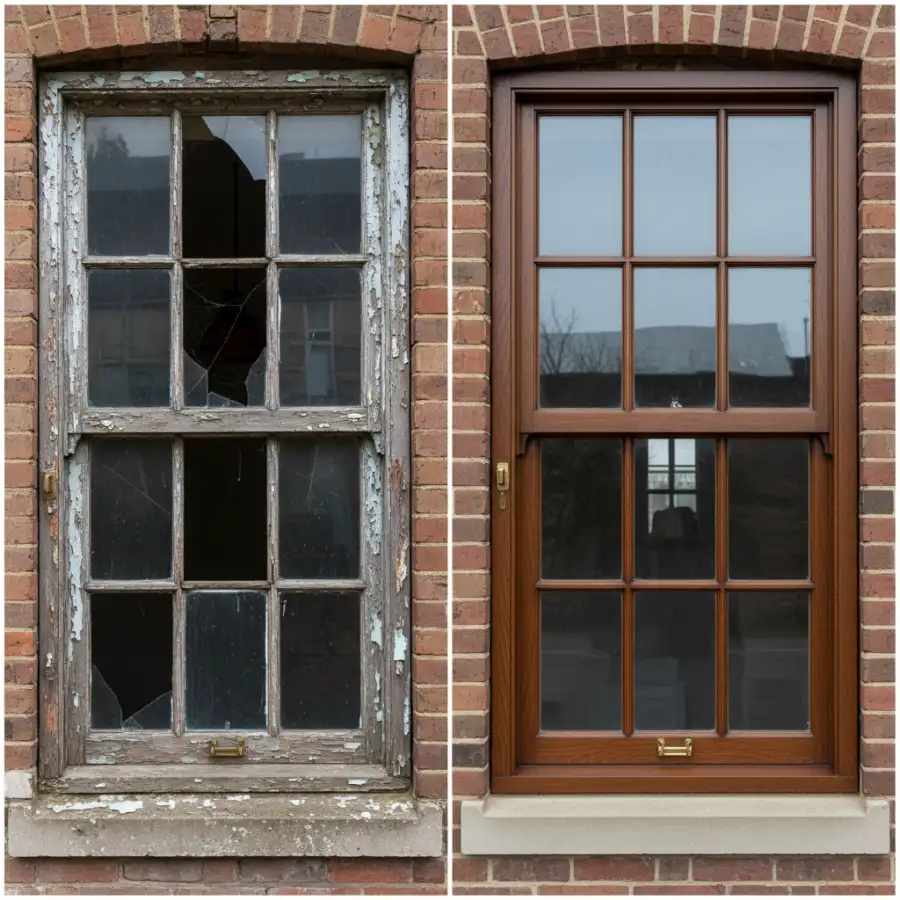
Before committing to a full replacement, particularly for historic homes, it’s essential to understand the full spectrum of options available: repair, restoration, and outright replacement. Each approach has its own merits, costs, and implications for historical integrity and modern performance. For property owners, discerning the right path can be perplexing: when does a window truly warrant preservation in its original form, and when is a sensitive replacement the more practical and beneficial choice?
Repairing Historic Windows: This is the least invasive and often most cost-effective option for minor issues. Repairs are suitable for:
- Minor Wood Rot: Localized areas of decay can be cut out and filled with wood epoxy or new wood sections.
- Broken Glass: Replacing individual panes of glass, including historically accurate wavy glass, while retaining the original sash.
- Hardware Malfunctions: Repairing or replacing original latches, hinges, or sash weights to restore functionality.
- Drafts and Leaks: Re-caulking, replacing weatherstripping, or adjusting the sash to improve seals.
Repairs focus on maintaining as much of the original material as possible, preserving the window's character without extensive intervention.
Restoring Historic Windows: Restoration is a more comprehensive process, typically undertaken when a window is significantly deteriorated but still salvageable. This often involves:
- Disassembly and Stripping: Taking the window apart, carefully removing old paint and glazing.
- Extensive Wood Repair: Replacing larger sections of rotted wood with new, matching timber.
- Re-glazing and Re-roping: Installing new glass panes (often historically appropriate), new putty, and replacing sash ropes and weights.
- Upgrades: Adding storm windows or interior film for improved energy efficiency, or incorporating discreet weatherstripping.
Restoration aims to bring the original window back to its prime condition, enhancing its longevity and performance while retaining its historic fabric. This is often the preferred choice by preservationists and can be very effective, though potentially costly and time-consuming.
Replacing Historic Windows: As discussed in previous sections, replacement becomes necessary when a window is beyond economical repair or restoration, or when modern performance needs (energy efficiency, security) significantly outweigh the benefits of retaining an original unit. Sensitive replacement focuses on:
- Exact Replication: New windows are custom-fabricated to precisely match the dimensions, profiles, and aesthetic details of the originals.
- Material Matching: Using wood or clad-wood to maintain material authenticity.
- Energy Efficiency: Incorporating modern insulated glass and frame technologies to dramatically improve thermal performance.
The choice along this spectrum depends on the window's condition, your budget, local regulations, and your personal priorities for authenticity versus modern convenience. A thorough assessment by a historic preservation expert or a specialized window contractor is crucial to determine the most appropriate and beneficial course of action for each window in your historic home.
What this means for you
For you, the owner of a historic home, this comprehensive guide means gaining the clarity and confidence to make informed decisions about your windows. It means moving beyond uncertainty and potential preservation pitfalls to a strategic, well-researched approach that honors your home’s heritage while securing its future livability and value. You are no longer just maintaining a property; you are acting as a thoughtful steward, balancing the past with the present. How much more empowered will you feel, knowing you've built a solid, well-understood plan for your historic window project?
This guide equips you to navigate the unique challenges of historic window replacement, from understanding complex regulations to discerning appropriate materials and identifying specialist contractors. You'll be able to confidently engage with preservation commissions, articulate your project goals, and select solutions that deliver both authentic aesthetics and superior energy performance. This expertise helps you avoid costly mistakes, prevent irreversible damage to your home’s character, and ensure your investment is both financially sound and historically responsible.
Ultimately, this knowledge helps you achieve a beautifully preserved home that is also comfortable, energy-efficient, and structurally sound. You'll enjoy reduced energy bills, enhanced indoor comfort, and the immense satisfaction of knowing you’ve made choices that safeguard your property’s legacy for future generations. This guide prepares you to approach your historic window replacement project with unparalleled confidence, transforming a complex challenge into a rewarding restoration success.
Risks, trade-offs, and blind spots
While the decision to replace windows in a historic home is often a necessary one, it comes with unique risks, trade-offs, and potential blind spots that can complicate even the most well-intentioned project. The desire for modern comfort and efficiency can sometimes conflict with the needs of historical preservation, leading to compromises or unforeseen challenges. What crucial details might you overlook that could turn a seemingly wise window decision into an unexpected financial burden or a lasting architectural regret?
A primary risk is non-compliance with preservation regulations. If your home is in a historic district or is protected, failing to obtain necessary approvals or deviating from guidelines can result in stop-work orders, hefty fines, or the requirement to remove unapproved windows and re-install compliant ones at significant additional cost. The trade-off for speed or perceived savings by bypassing regulations is substantial legal and financial exposure.
Another significant blind spot is underestimating the cost of authentic replication. While standard modern windows are widely available, creating custom-matched historic windows with appropriate materials, profiles, and glass can be substantially more expensive. The trade-off is often between a lower upfront cost for less authentic options versus a higher investment for true historical integrity and long-term value. Opting for cheaper, non-period-appropriate materials like vinyl can irreversibly diminish the home's historic character and market value, representing a long-term financial loss despite short-term savings.
Furthermore, the selection of an unqualified contractor poses a major risk. Historic installations require specialized skills to minimize damage to existing structures and ensure proper sealing and flashing. A general contractor lacking historic preservation experience might inadvertently cause structural damage, create moisture problems, or install windows that look out of place. The trade-off for hiring a less expensive, less specialized contractor is the potential for shoddy workmanship, future repairs, and a compromised aesthetic. There's also the blind spot of prioritizing only energy efficiency; while vital, it should not come at the complete expense of historical accuracy, as both contribute to the home's overall value and appeal.
Finally, there's the emotional attachment to original windows, even when they are severely deteriorated. This can lead to costly and ultimately unsuccessful attempts at repair or restoration when replacement might have been the more pragmatic and beneficial long-term solution. Recognizing when an original window is truly beyond economic or effective salvation is a critical, often emotional, trade-off. Addressing these risks, understanding the trade-offs, and being aware of these blind spots is paramount for any historic window replacement project to be a true success, both aesthetically and financially.
Main points
Replacing windows in historic homes requires a nuanced approach that carefully balances preservation with modern performance. Making informed decisions involves understanding specific challenges, material options, and the right professional partnerships. Here are the main takeaways to guide your project:
- Navigate Regulations: Begin by researching local historic preservation guidelines and engaging with commissions to ensure your project complies with all requirements.
- Prioritize Authenticity: Opt for materials like wood or clad wood that match your home's original aesthetic, with modern features like insulated glass for efficiency.
- Choose Specialists: Select manufacturers and contractors with proven experience in historic replication and installation, understanding their expertise is crucial.
- Understand Costs: Expect higher costs for custom-made, historically accurate windows and specialized installation; factor in long-term energy savings and increased home value.
- Assess Damage Realistically: Determine if a window is truly beyond repair/restoration or if sensitive replacement is the most beneficial path for longevity and performance.
- Balance Aesthetics & Performance: Strive for new windows that not only look authentic but also provide modern energy efficiency and comfort, enhancing livability.
- Beware of Risks: Guard against non-compliance, underestimating costs, hiring unqualified contractors, and neglecting the long-term impact on your home's character and value.
- Seek Expert Advice: Consult with architects, preservationists, and specialized contractors early in the process to guide your decisions and ensure a successful outcome.
Ready to restore your historic home with new windows that honor its past while embracing the future? Take these critical steps to ensure your project is a resounding success, preserving your property's legacy for generations.