

Window Replacement for Old Homes: Preserving Charm, Enhancing Efficiency
Navigating the Balance Between Historical Integrity and Modern Performance for Your Classic Property.
Do your old home's charming, drafty windows make you feel torn between preserving history and facing high energy bills? Deciding whether to replace or restore them is a significant choice, with unique challenges.
Beyond the immediate cost, can modern window technology truly integrate with your home's historic aesthetics without sacrificing its soul or breaking your budget?
Learn how to strike the perfect balance, ensuring your classic property benefits from modern efficiency while retaining its original character and charm.
Owning an old home, particularly one with historical significance, brings a unique blend of charm, character, and sometimes, considerable challenge. Among the most common dilemmas faced by owners of these classic properties is the state of their windows. Over decades, or even centuries, original windows can deteriorate, leading to drafts, poor insulation, operational issues, and a significant drain on energy efficiency. Deciding on window replacement for old homes isn't just a practical choice; it's a profound consideration of aesthetics, historical accuracy, and long-term investment.
This comprehensive guide explores the critical factors that distinguish old home window projects from standard replacements, examining the delicate balance between preserving historical integrity and achieving modern energy performance. From understanding restoration versus full replacement to identifying suitable materials, styles, and reputable manufacturers, we aim to provide the essential knowledge needed for an informed decision. Our goal is to empower you to enhance your home's comfort, energy efficiency, and long-term value, all without compromising the unique character that makes it truly special. This process, while challenging, offers significant returns not just in comfort and reduced utility bills, but also in preserving the heritage and increasing the market appeal of your cherished old home for decades to come.
Quick navigation
- The Unique Challenges of Old Home Window Replacement
- Repair, Restore, or Replace? Making the Initial Decision
- Window Materials and Styles for Historic Integrity
- Achieving Energy Efficiency in Old Homes
- What this means for you
- Costs, Manufacturers, and Finding the Right Contractor
- Risks, trade-offs, and blind spots
- Main points
The Unique Challenges of Old Home Window Replacement
Replacing windows in an old home presents a set of distinct challenges that go far beyond a standard modern installation. These challenges stem from the very nature of older construction, historical value, and often, the use of materials and techniques that are no longer common. Understanding these unique hurdles is the first step towards a successful project.
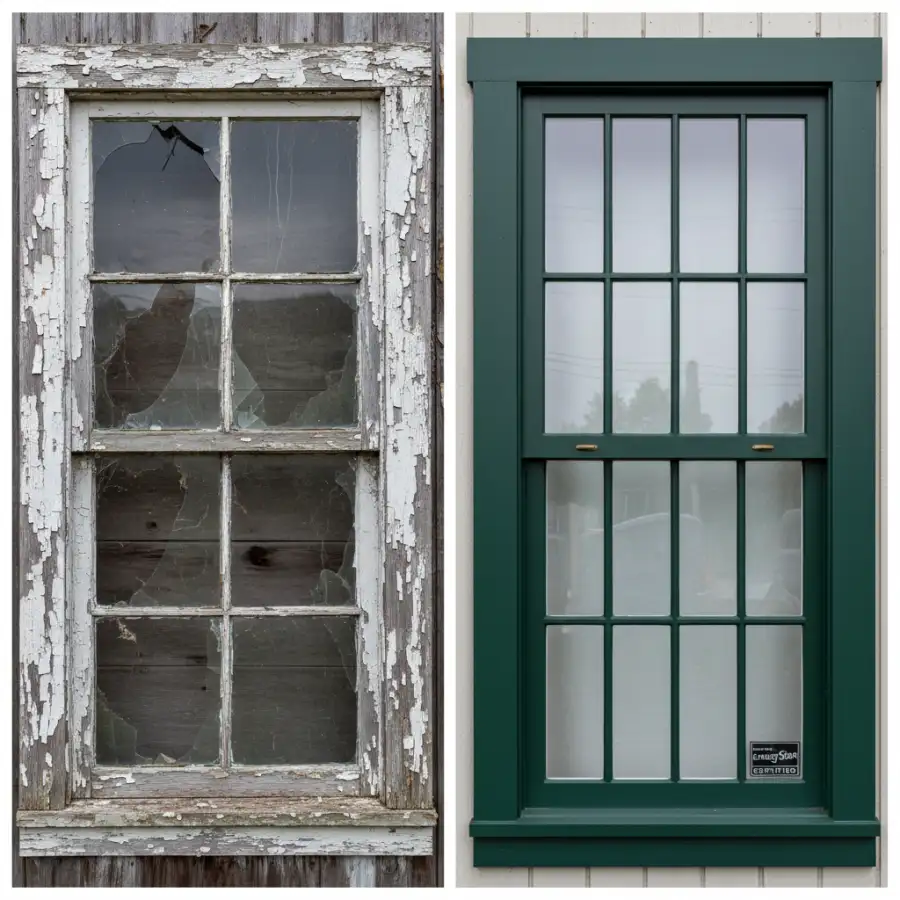
Firstly, there's the issue of historical significance and architectural style. Many old homes possess original windows that are integral to their period architecture. Simply swapping them out for off-the-shelf modern units can drastically alter the home's aesthetic appeal and, in some cases, diminish its historical value. This is especially true for homes in designated historic districts, where strict regulations often dictate the type, material, and even pane configuration of replacement windows.
Secondly, original materials and construction methods often differ greatly from contemporary standards. Old windows might feature unique wood species, hand-blown glass, or intricate joinery that are difficult and expensive to replicate. The surrounding wall construction might also differ, potentially revealing unforeseen issues like uneven openings, plaster damage, or the presence of lead paint or asbestos during removal. The weight and operation of old double-hung windows, for example, often relied on sash weights and ropes, a system that modern replacements typically forego.
Finally, there are the practical aspects of energy efficiency and lead paint concerns. While old windows are often notoriously inefficient, their replacement must be carefully managed to avoid disturbing lead paint on existing sills and frames, which is a common hazard in pre-1978 homes. The goal is to upgrade efficiency without sacrificing the irreplaceable character that these older elements provide. Furthermore, the presence of materials like lead paint, common in pre-1978 windows, necessitates specialized handling and abatement during removal, adding layers of complexity and cost. Similarly, old framing may be inconsistent or damaged, requiring unexpected structural repairs before new windows can be properly seated. Navigating these challenges effectively requires a deep understanding of historic building practices and a commitment to preserving the home's legacy. How do you respect a home's past while ensuring its future is comfortable and sustainable?
Repair, Restore, or Replace? Making the Initial Decision
Before even considering what type of window to install, the fundamental question for any old home owner is whether to repair, restore, or completely replace their existing windows. This decision is multifaceted, driven by the window's condition, historical importance, and your ultimate goals.
- Repair: This option is suitable for minor, localized issues such as a cracked pane of glass, broken hardware (latches, cranks), or damaged weatherstripping. Repairs are generally the least expensive and least disruptive. They are ideal when the window's frame and sash are otherwise sound and historically significant. The advantage is cost savings and preservation of original components. The disadvantage is that repairs don't address fundamental energy inefficiency.
- Restore: Restoration is a more extensive process, involving careful disassembly, repair of wood rot, reglazing, scraping, painting, and reassembly. It's chosen when a window has significant historical value, often in designated historic properties. Restoration aims to bring the window back to its original condition, often improving its efficiency through new weatherstripping and careful sealing. This option is labor-intensive and can be costly, sometimes approaching the price of new windows, but it offers unparalleled historical accuracy. Restoration often involves specialized craftsmen who understand traditional joinery, glazing techniques, and period-specific materials, ensuring that every detail, from the wooden sash to the glass panes, is carefully preserved or replicated. This level of artisanship ensures the window retains its original charm and operates as intended for many more years. Is meticulous restoration truly worth the significant investment in time and money?
- Replace: Full replacement is warranted when windows are severely damaged, beyond economical repair, or when their inherent design (e.g., single-pane, extremely poor condition) makes them irredeemably inefficient. Replacement offers the best opportunity for a dramatic upgrade in energy performance, security, and modern functionality. The trade-off is the potential loss of historical character, especially if off-the-shelf windows are chosen without careful consideration for period-appropriate styles and materials.
In some cases, a combination approach might be best: restoring highly visible or historically significant windows, while replacing less prominent or irreparably damaged ones with carefully selected modern equivalents. Always investigate local grants or tax incentives for historic property improvements, as these can offset restoration costs significantly.
Window Materials and Styles for Historic Integrity
Once the decision is made to replace, choosing the right window materials and styles becomes paramount to maintain the historical integrity of your old home. This isn't just about picking the cheapest option; it's about thoughtful selection that respects the past while embracing modern performance.
Material Choices:
- Wood: For many old homes, wood remains the most historically accurate and aesthetically fitting material. Modern wood windows offer significantly better performance than their predecessors, featuring insulated glass units and superior weatherstripping. They can be painted or stained to match original finishes, and custom millwork allows for precise replication of historical profiles. The downside is higher cost and ongoing maintenance. For those considering luxury window replacement options, wood is often the material of choice for its unmatched elegance and customizability.
- Fiberglass: This is an excellent alternative that offers exceptional durability, energy efficiency, and low maintenance, while being highly customizable. Fiberglass can be molded and painted to convincingly mimic the look of wood, making it a strong contender for historic properties where wood is cost-prohibitive or maintenance is a concern. Its strength also allows for narrower frames, maximizing glass area.
- Clad Wood: These windows feature a wood interior with an aluminum or vinyl exterior cladding, offering the warmth of wood inside and the low maintenance of modern materials outside. They strike a good balance between aesthetics, performance, and upkeep.
- Vinyl (with caveats): While the most affordable and low-maintenance option, standard vinyl windows often have thicker frames and a less traditional appearance that can clash with the delicate lines of older homes. If considering vinyl, look for manufacturers that offer historically sensitive profiles and colors, and ensure the quality is high to avoid a "cheap" look.
Style Considerations:
- Double-Hung: This is the quintessential window style for many historic American homes. Ensure replacements feature true divided lites (individual panes of glass separated by muntins) or high-quality simulated divided lites for an authentic look.
- Casement: Common in certain architectural styles, especially those with European influences.
- Fixed/Picture: Used for specific architectural elements, often in conjunction with other operational windows.
- Specialty Shapes: Arched, round, or custom-shaped windows require careful replication to maintain historical accuracy.
The goal is a seamless integration that makes new windows look like they've always been there. Can modern energy efficiency truly be achieved without visibly compromising the authentic historical details that define an old home?
Achieving Energy Efficiency in Old Homes
A primary reason to consider window replacement in old homes is to improve energy efficiency. Older windows, especially single-pane versions, are notorious for energy loss. However, significant efficiency gains don't always mean sacrificing historical aesthetics; a smart approach to modern technology can achieve both.
The core of modern window efficiency lies in advanced glazing technologies. Opt for double-pane or even triple-pane insulated glass units (IGUs) filled with inert gases like argon or krypton, which are much better insulators than air. Look for windows with a low-emissivity (low-E) coating, a microscopically thin, transparent metallic layer that reflects infrared light, keeping heat inside in winter and outside in summer without significantly impacting visible light. This dramatically reduces heat transfer through the glass, leading to more stable indoor temperatures and lower reliance on heating and cooling systems. The inert gases like argon or krypton, denser than air, slow down heat transfer by convection and conduction, further boosting the window's insulating properties and overall R-value. Combined, these technologies turn a major energy drain into an efficient barrier.
Beyond the glass, the frame material and construction play a vital role. While wood is historically accurate, modern wood frames are engineered to minimize air leakage and thermal bridging. Fiberglass offers exceptional thermal performance. Proper sealing around the entire window unit is also critical, using high-quality caulking and flashing to prevent air and water infiltration. Even with an older frame, upgrading to new, insulated sashes or installing interior storm windows can offer substantial improvements.
Don't underestimate the power of effective weatherstripping. Even the most energy-efficient window will leak air if the weatherstripping around its operable sashes is compromised. High-quality, durable weatherstripping ensures a tight seal when the window is closed. For homes where full replacement isn't an option or is restricted by historical guidelines, adding well-fitted exterior or interior storm windows can offer a surprisingly effective boost in energy efficiency, effectively creating a double-pane system without altering the original window. Can homeowners truly expect a significant reduction in energy bills after upgrading, or are the gains often overstated for older properties?
What this means for you
For you, the owner of an old home, navigating window replacement means undertaking a journey that demands careful consideration, detailed research, and a willingness to invest in quality. It's about making decisions that honor your home's past while securing its future comfort and value.
First and foremost, it means you must undertake a thorough, honest assessment of your existing windows. Understand their condition, their historical significance, and their current energy performance. This initial evaluation involves more than just a quick look; it means checking for wood rot, assessing the integrity of the glass and glazing, testing the operation of sashes, and identifying signs of air leakage. A professional assessment can often pinpoint subtle issues that a homeowner might miss, providing a clearer picture of whether repair, restoration, or full replacement is the most appropriate path for each window. This isn't a one-size-fits-all decision; some windows might be excellent candidates for meticulous restoration, while others are beyond saving and require thoughtful replacement.
Secondly, it means actively engaging with the specifics of materials and styles. You are not limited to generic options. Seek out manufacturers and custom fabricators who understand period architecture and can provide historically accurate designs, whether through true divided lites, appropriate profiles, or specific hardware. Remember that new windows, when chosen wisely, can significantly boost your home's value, making this an investment rather than just an expense. Thirdly, it means proactively investigating local historical preservation guidelines or requirements, especially if your home is in a protected district. Ignoring these rules can lead to costly delays, fines, or even forced removal of non-compliant windows.
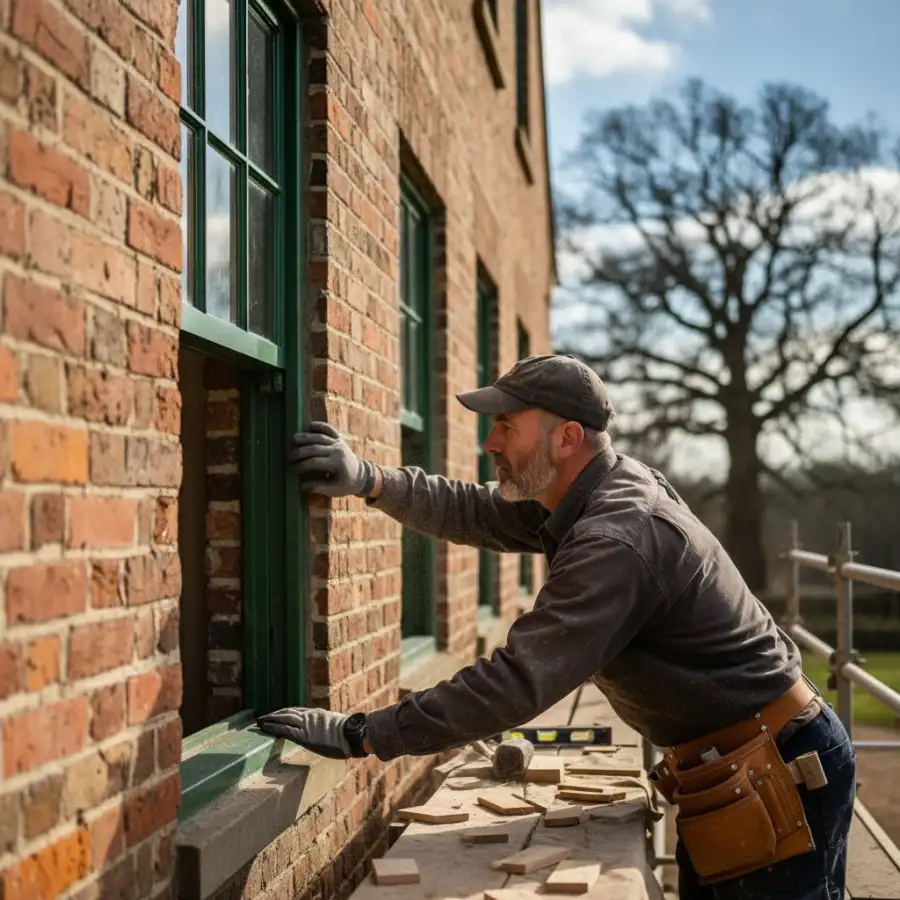
Finally, it means prioritizing professional expertise. The complexity of old home window projects necessitates working with experienced contractors who specialize in historic properties. They can guide you through material selection, ensure proper installation (especially critical in older wall structures), and help you navigate any regulatory hurdles. Is simply choosing an energy-efficient window enough, or does the project's success truly hinge on the installer's understanding of older construction techniques?
Costs, Manufacturers, and Finding the Right Contractor
The financial aspect of window replacement for old homes can differ significantly from projects in newer constructions. Understanding the cost factors, knowing which manufacturers excel in this niche, and, most importantly, finding the right contractor are paramount.
Cost Factors:
- Customization: Old homes frequently have non-standard window sizes or unique architectural elements. Custom-sized windows or custom-matched profiles will always be more expensive than standard sizes.
- Material Choice: Wood and high-quality fiberglass windows, often preferred for their historical accuracy and durability, come at a higher price point than vinyl.
- Installation Complexity: Older homes can present challenges like uneven openings, hidden structural damage, or lead paint, all of which add to labor costs. Removing old sash weights and ropes also adds to the work.
- Historical District Requirements: Compliance with specific historical preservation guidelines can limit options and increase costs due to the need for specialized materials or techniques.
- Grants and Incentives: Research local, state, and federal programs for historic home renovation or energy efficiency. These can sometimes offer significant financial assistance.
Overall, expect window replacement for old homes to cost anywhere from $700 to $2,000+ per window, including installation, depending on material, customization, and labor. This is often higher than standard replacement. Many businesses looking for expert installers for both residential and commercial projects prioritize those with a proven track record in complex, custom installations.
Reputable Manufacturers for Old Homes:
- Marvin: Known for their extensive lines of wood and fiberglass windows, offering a wide range of historically accurate styles, custom sizes, and excellent energy performance.
- Andersen: Offers several series, including wood and Fibrex (a composite material), with good customization options and strong performance suitable for older homes.
- Pella: Provides a variety of wood, fiberglass, and vinyl options, with lines specifically designed to mimic traditional aesthetics.
- Smaller Custom Shops: For true historical replication or unique architectural needs, local custom window builders often offer unparalleled craftsmanship.
Finding the Right Contractor: This is arguably the most critical step. Look for contractors with: specific experience in historic properties; strong references (ask for photos of similar projects); proper licensing, insurance, and certifications; clear, detailed bids that break down costs; and a willingness to discuss all options, including repair/restoration if applicable. A contractor who understands the nuances of old home construction is invaluable. Given the specialized nature, is a general contractor sufficient, or is someone with specific historical renovation expertise absolutely necessary?
Risks, trade-offs, and blind spots
While upgrading windows in old homes offers clear benefits, the process also has risks, trade-offs, and common blind spots homeowners must acknowledge. Recognizing these potential pitfalls can help you navigate the project smoothly and avoid costly mistakes.
Risks and Trade-offs:
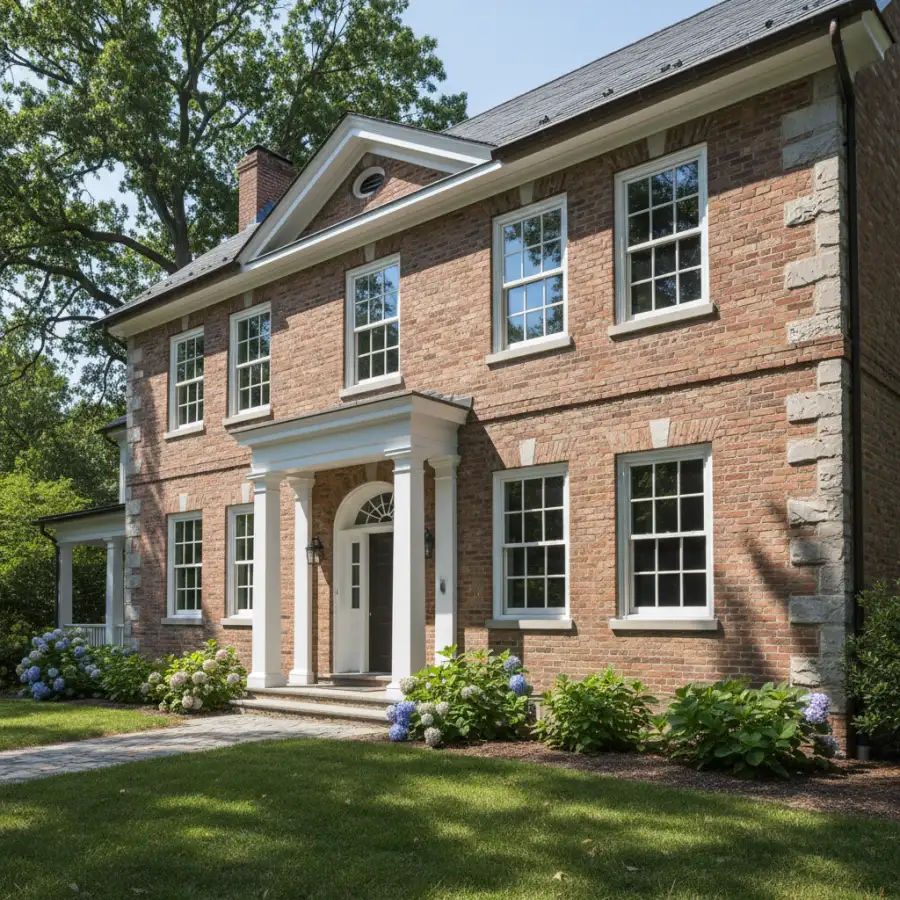
- Loss of Historical Authenticity: This is the most significant trade-off. Choosing inappropriate modern windows can strip an old home of its character, diminishing its historical value and curb appeal. For instance, using thick vinyl frames or generic grid patterns on a Victorian-era home can look jarring and fundamentally alter its architectural language. Regulations in historic districts are designed precisely to prevent this, often requiring specific materials, styles, and even glass types to ensure new installations blend seamlessly with the existing historical fabric.
- Budget Overruns: Unexpected issues, such as discovering extensive wood rot in the window framing, lead paint abatement, or unforeseen structural repairs, are common in older homes and can significantly inflate project costs beyond initial estimates.
- Poor Installation: Even a perfect window can perform terribly if installed incorrectly, especially in an older, potentially uneven opening. This can lead to new drafts, water leaks, and operational problems, negating the entire investment.
- Maintenance Requirements: If you opt for authentic wood windows, be prepared for ongoing maintenance (painting, sealing) to protect them from the elements, a trade-off for their unmatched aesthetic.
- Aesthetic Mismatch: Windows with thick vinyl frames, modern grid patterns, or non-period-appropriate styles can look out of place and diminish the charm of a classic home.
Common Blind Spots:
- Ignoring Local Regulations: Many homeowners overlook the specific requirements of their local historical commission or homeowner's association, leading to project rejections, fines, or mandatory changes.
- Focusing Solely on U-Factor: While energy efficiency (U-factor, SHGC) is important, prioritizing it above all else without considering aesthetic match can lead to an outcome that doesn't feel right for your home.
- Not Budgeting for Incidentals: Failure to allocate a contingency fund for unforeseen structural repairs or lead paint mitigation can derail the project's finances.
- Underestimating the Value of Craftsmanship: Opting for the cheapest contractor often results in substandard installation, which can compromise the window's performance and lead to future problems.
- Neglecting Proper Ventilation: While modern windows are tightly sealed, old homes sometimes rely on natural air exchange. Improving window efficiency without ensuring adequate ventilation elsewhere can sometimes contribute to indoor air quality issues or moisture buildup.
Given these complexities, how can old homeowners best protect their investment and ensure a successful outcome that truly enhances their beloved property?
Main points
Window replacement in old homes is a nuanced undertaking that requires balancing historical preservation with modern benefits. Making an informed decision is key to a successful outcome. Here are the main points to consider:
- Old homes present unique challenges, including historical significance, varied architectural styles, and potential issues like lead paint or uneven openings.
- Decide between repair, restoration, or full replacement based on the window's condition, historical value, and your budget, remembering restoration is often for highly significant windows.
- Choose materials like wood or fiberglass for historical accuracy and durability, as they best replicate traditional aesthetics while offering modern performance.
- Prioritize period-appropriate styles, such as double-hung with true divided lites, to maintain your home's original character.
- Achieve energy efficiency with modern glazing (double-pane, low-E, argon gas), quality weatherstripping, and proper installation.
- Carefully research costs, which can be higher due to customization and installation complexity, and seek out grants or incentives for historic properties.
- Select a contractor with proven experience in old home renovations and a deep understanding of historic preservation guidelines.
- Be aware of risks like losing historical authenticity, budget overruns from unforeseen issues, and the importance of thorough background checks on installers.
The journey of window replacement for old homes is a testament to careful planning and a deep appreciation for your property's heritage. By prioritizing quality materials, expert craftsmanship, and adherence to historical context, you can ensure your home benefits from enhanced comfort and efficiency while preserving its irreplaceable charm for generations to come. This is more than a renovation; it's a legacy project.