

How to Avoid Low-Quality Installations in Construction: A Comprehensive Guide to Ensuring Lasting Quality
From Vetting Contractors to On-Site Vigilance, Safeguard Your Investment and Project Integrity
Have you ever wondered if the construction work on your home or project truly meets the mark, or if hidden flaws are waiting to surface?
Imagine the relief of knowing every installation, from foundational elements to finishing touches, is executed with precision, ensuring durability and peace of mind. Is such a high standard always achievable?
What if you could proactively identify and prevent low-quality construction installations, safeguarding your investment and the long-term integrity of your property?
In the vast and complex world of construction, the difference between a successful project and a costly nightmare often boils down to one critical factor: the quality of installation. From a new roof and windows to intricate HVAC systems and foundational work, every element must be installed correctly to ensure safety, efficiency, and longevity. Unfortunately, low-quality installations are a pervasive problem, leading to premature failures, expensive repairs, energy waste, and even significant safety hazards. For anyone involved in a construction project, understanding How to avoid low-quality installations in construction is not just a preference, but an absolute necessity.
This comprehensive guide will equip you with the practical steps, best practices, and crucial warning signs needed to identify and prevent substandard workmanship. We’ll explore why quality matters, outline strategies for vetting contractors, discuss essential on-site vigilance, and consider the long-term costs associated with cutting corners. By providing you with practical insights, we aim to help you secure durable, high-performing installations that protect your investment and ensure lasting quality for your home or project.
Quick navigation
- The True Cost of Cutting Corners: Why Quality Installation Matters
- Laying the Groundwork: Vetting Contractors and Due Diligence
- Beyond the Blueprint: Best Practices for On-Site Quality Control
- Red Flags and Warning Signs: Spotting Low-Quality Work in Progress
- What this means for you
- Risks, trade-offs, and blind spots
- Main points
The True Cost of Cutting Corners: Why Quality Installation Matters
When starting any construction or renovation project, the temptation to opt for the lowest bid can be powerful. Yet, what hidden expenses and long-term burdens often arise from the initial allure of saving a few dollars on installation? The true cost of low-quality installations far outweighs any perceived upfront savings, affecting everything from your wallet to your peace of mind.
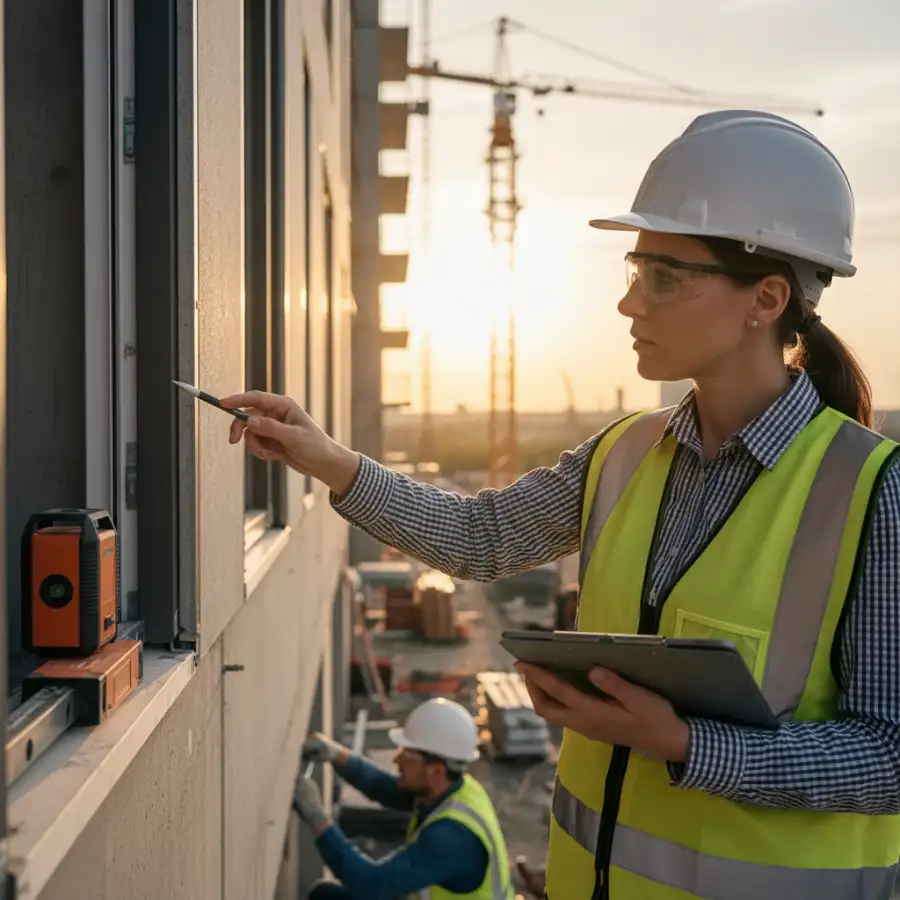
Firstly, there's the immediate financial drain. Substandard work invariably leads to premature failures. A poorly installed roof might leak within a few years, leading to extensive water damage, mold growth, and the need for a full re-roofing much sooner than anticipated. Incorrectly installed windows can cause drafts, significantly increasing your heating and cooling bills, while also degrading the comfort of your home. These issues don't just crop up once; they become recurring headaches and expenses.
Beyond direct repair costs, low-quality installations often result in reduced energy efficiency across various systems. An improperly sized or sealed HVAC system, for instance, will struggle to maintain comfortable temperatures, constantly running and consuming excessive electricity. This means you are literally paying more for less comfort, month after month. The energy waste alone can accumulate to thousands of dollars over the lifespan of a poorly installed system.
Safety is another critical, often overlooked, aspect. Faulty electrical wiring, compromised structural elements, or improperly vented appliances can pose serious risks, including fires, carbon monoxide poisoning, or structural collapse. These are not mere inconveniences; they are life-threatening hazards that stem directly from a lack of professionalism and adherence to safety codes.
Furthermore, low-quality work can void manufacturer warranties on expensive equipment, leaving you without recourse when components fail. It can also severely diminish your property's value and curb appeal, making it harder to sell in the future. The stress and frustration of dealing with constant repairs, disputes with contractors, and living in an underperforming home are intangible but very real costs. Understanding these profound implications underscores why prioritizing quality installation is not an extravagance, but a fundamental investment in your property's integrity and your own well-being.
Laying the Groundwork: Vetting Contractors and Due Diligence
The foundation of avoiding low-quality installations begins long before any tools are picked up; it starts with meticulous contractor selection. Faced with a multitude of options, how do you sift through the noise to identify a contractor whose commitment to quality genuinely matches your expectations? This initial due diligence is arguably the most critical step in safeguarding your project.
1. Verify Licenses and Insurance: This is non-negotiable. Always confirm that the contractor holds all necessary state and local licenses for the work they perform. Equally important is ensuring they carry adequate liability insurance (to cover any damage to your property) and worker's compensation insurance (to protect against injuries to their crew on your site). Request proof of both and verify them directly with the issuing authorities.
2. Check Certifications and Training: For specialized work, such as HVAC or plumbing, look for industry-specific certifications (e.g., NATE for HVAC, master electrician licenses). These indicate that technicians have undergone rigorous training and testing, demonstrating a higher level of expertise. For a deep dive into specifics, understanding HVAC installation cost breakdowns often reveals the value of certified professionals.
3. Demand Detailed References and Portfolios: Ask for a list of recent clients (at least three) with similar projects and actually contact them. Inquire about their satisfaction with the work quality, adherence to timelines, communication, and how the contractor handled any unforeseen issues. Also, request to see a portfolio of completed projects, looking for consistency in workmanship and attention to detail.
4. Scrutinize Online Reviews and Ratings: Utilize independent platforms like the Better Business Bureau (BBB), Google Reviews, Yelp, and trade-specific sites. Look for patterns in feedback, both positive and negative. A few negative reviews are normal, but a consistent pattern of complaints about quality, missed deadlines, or poor communication is a major red flag.
5. Get Multiple Bids and Detailed Contracts: Obtain at least three written bids for your project. Crucially, these bids must be highly detailed and itemized, specifying exact materials, brands, labor costs, permit fees, and warranty information. Beware of vague quotes or bids that are significantly lower than others; they often indicate corners being cut. The contract should clearly outline the scope of work, payment schedule, timeline, dispute resolution process, and clauses for change orders.
6. Clarify Subcontractor Usage: Understand if the main contractor plans to use subcontractors and, if so, ask for their credentials and references as well. The main contractor is ultimately responsible for their subs' work.
By investing this time in thorough vetting, you significantly increase your chances of partnering with a professional who genuinely values quality and stands behind their work.
Beyond the Blueprint: Best Practices for On-Site Quality Control
Even with the most meticulously vetted contractor, a proactive approach to on-site quality control is essential to truly ensure superior installations. Once the work begins, what active roles can homeowners or project managers play to ensure that the execution matches the blueprint of quality? Your presence and informed questions can make a substantial difference.
1. Regular Site Visits and Communication: Don't be a stranger to your own project. Schedule regular, perhaps daily or weekly, walk-throughs with your project manager or lead contractor. This provides opportunities to observe progress, ask questions, and address any concerns in real-time. Maintain open, clear lines of communication, ideally in writing (emails or a project log) to document discussions and decisions.
2. Understand Key Installation Stages: Familiarize yourself with the critical installation stages for your specific project. For example, if it's a roofing project, know when the underlayment is going down, when flashing is installed, and when shingles are being laid. For an HVAC system, understand when refrigerant lines are being run, when ductwork is being sealed, and when electrical connections are made. This general knowledge helps you identify when things might be going amiss.
3. Verify Material Usage: Ensure that the materials being used on site match the specifications in your contract. Are they the correct brand, model, and quality? Don't hesitate to ask to see product labels or packaging. Substitutions without your explicit written approval are a red flag.
4. Adherence to Building Codes and Manufacturer Specifications: A professional contractor will always adhere to local building codes and the manufacturer's installation guidelines for all products. Ask how they ensure compliance. For example, for window installation, are they following the manufacturer's flashing and sealing instructions precisely? For finding reliable AC contractors, their adherence to such specifics is a paramount indicator of quality.
5. Don't Pay for Unsatisfactory Work: Establish a clear payment schedule tied to completed milestones, not just arbitrary dates. Never pay the full amount upfront. Withhold a small percentage (e.g., 10%) until the entire project is completed to your satisfaction and all final inspections have passed. This provides leverage to ensure any punch list items are addressed promptly and correctly.
6. Document Everything: Take photos and videos throughout the process, especially during critical hidden stages (e.g., before walls are closed up, during foundation work). This visual record can be invaluable for clarifying disputes or demonstrating issues. Keep copies of all contracts, change orders, communications, and invoices.
By actively engaging in on-site quality control, you transition from a passive client to an informed overseer, significantly increasing the likelihood that your project will meet the highest standards of workmanship.

Red Flags and Warning Signs: Spotting Low-Quality Work in Progress
Even with the best intentions and thorough vetting, sometimes low-quality work can slip through the cracks. Knowing what to look for on-site can be your last line of defense. As construction progresses, what specific, observable anomalies or behaviors should immediately trigger your suspicion, indicating a potential compromise in quality? Being vigilant for these red flags can prevent minor issues from escalating into major problems.
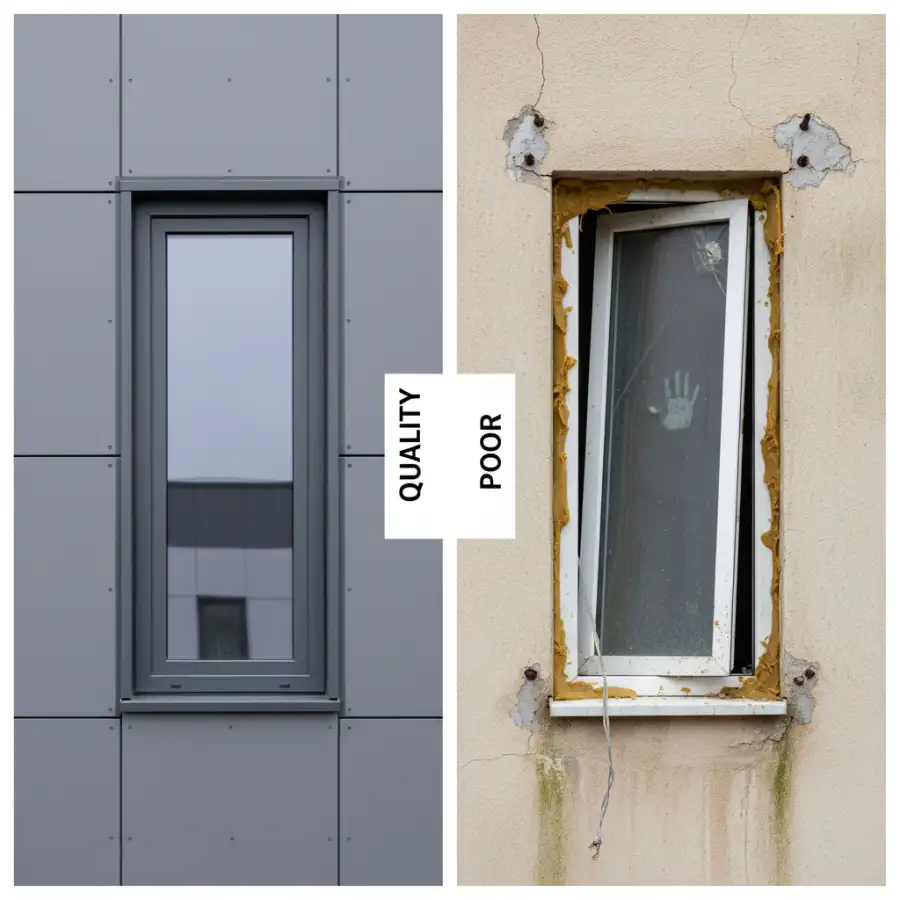
1. Shoddy Workmanship and Lack of Attention to Detail: This is often the most obvious sign. Crooked lines, uneven surfaces, visible gaps, excessive caulk used to hide imperfections, or messy paint lines are clear indicators. If a contractor doesn't care about the visible aesthetics, it's highly probable they're cutting corners on hidden, structural elements too. Sloppy cleanup at the end of each day is also a subtle but telling sign of a lack of professionalism.
2. Rushing Through Critical Stages: Certain phases of construction require specific drying times, curing periods, or meticulous attention to detail (e.g., pouring concrete, setting tile, sealing a roof). If the crew appears to be rushing through these stages, skipping steps, or ignoring manufacturer-recommended waiting periods, it’s a serious concern that compromises the integrity and longevity of the work.
3. Constant Changes or Unexplained Delays: While some unforeseen issues can arise, a consistent pattern of excuses for delays, sudden changes in materials without justification, or frequent requests for more money without clear change orders are red flags. This can indicate poor planning, mismanagement, or an attempt to inflate costs.
4. Lack of Proper Tools or Equipment: A professional crew will have the right tools for the job, in good working order. If you see them making do with inadequate equipment, or constantly improvising with makeshift solutions, it suggests a lack of investment in their trade, which can lead to inefficient work and compromises in quality.
5. Disregard for Safety and Cleanliness: A messy, unsafe job site is often a precursor to poor quality work. If workers aren't using appropriate safety gear (helmets, eye protection), if tools are left scattered, or if debris is left to accumulate, it indicates a general lack of care and respect for the work environment and, by extension, the quality of the project.
6. Avoiding or Dismissing Your Questions: A professional contractor will welcome your questions and provide clear, confident answers. If your concerns are met with defensiveness, vague responses, or dismissal, it suggests they may be trying to hide something or lack the necessary expertise. When choosing a local HVAC company, for instance, a lack of transparency is a critical warning sign.
By being attuned to these warning signs, you can intervene early, address issues, and prevent low-quality work from becoming a permanent fixture in your construction project.
What this means for you
You've gained a deep understanding of the nuances of quality installation, recognizing the severe repercussions of cutting corners, the critical steps for vetting contractors, proactive on-site best practices, and the tell-tale signs of substandard work. Equipped with this comprehensive knowledge, what precise and actionable insights can you immediately apply to your construction projects? This information empowers you to move beyond passive observation to active, informed oversight.
Firstly, it means shifting your mindset from merely being a client to becoming an educated advocate for your project's quality. You now recognize that the cheapest bid is rarely the best investment. Instead, you'll prioritize value, which encompasses not just cost, but also contractor reputation, proven expertise, transparent communication, and robust warranties. This proactive stance ensures you're not just hoping for quality, but actively demanding and verifying it.
Secondly, this knowledge equips you with a practical checklist for every stage of your construction endeavor:
- Before Hiring: You will meticulously verify licenses and insurance, check certifications, call references, review online testimonials, and insist on detailed, itemized bids. You'll question any significant price discrepancies and ensure the contract clearly defines all expectations, timelines, and payment terms.
- During Construction: You'll commit to regular site visits, not just to observe, but to engage. You'll ask specific questions about adherence to codes and manufacturer specifications, verify material usage, and look for any of the red flags discussed—from messy workmanship to rushed processes or evasive answers. You'll document everything with photos and written notes, creating an indisputable record of progress and any potential issues.
- At Project Completion: You'll conduct a thorough final inspection, ensuring all punch list items are addressed before making the final payment. You'll confirm all warranties are in place and that the contractor has provided all necessary documentation (e.g., permits, manuals).
Ultimately, understanding how to avoid low-quality installations transforms you into a more powerful and protected homeowner or project manager. It reduces your exposure to costly repairs, enhances the safety and efficiency of your property, and ensures your investment yields lasting quality and peace of mind. Your vigilance is not an inconvenience; it's the most effective guarantee of a successful construction outcome.
Risks, trade-offs, and blind spots
While the pursuit of high-quality construction installations is always the ideal, every project, particularly a significant one, involves inherent risks and trade-offs. Even with the best intentions and detailed planning, what are the often-unseen pitfalls and inevitable compromises that homeowners or project managers might encounter? A clear-eyed view of these challenges is vital for truly informed decision-making.
One primary risk is the unforeseen structural or hidden damage that can only be uncovered once demolition or removal begins. What appears to be a straightforward window replacement, for instance, could reveal significant dry rot in the framing or foundational issues that were previously hidden. Addressing these issues immediately is crucial for long-term structural integrity, but it invariably leads to increased costs and project delays, a direct trade-off for ensuring hidden problems are rectified rather than merely covered up.
Another significant blind spot can be the complexity of modern building codes and manufacturer specifications. These are constantly evolving, and even a well-intentioned contractor might occasionally overlook a niche requirement or an update. Relying solely on a contractor's word without external verification (e.g., checking local building department websites or manufacturer installation guides yourself) can leave you vulnerable to non-compliant work, which could lead to issues during inspections or even future legal complications.
The temptation of expediting the project can also present a trade-off. While everyone wants a project completed quickly, rushing through critical phases, such as insufficient drying times for concrete or inadequate curing for adhesives, can severely compromise the final quality and longevity. Choosing speed over meticulousness is a risk that rarely pays off in the long run. Homeowners might be pressured to accept a quicker timeline, unaware of the hidden quality costs.
Furthermore, communication breakdowns are a subtle but potent risk. Even with a good contractor, misunderstandings about expectations, material choices, or specific installation details can lead to dissatisfaction. This highlights the trade-off of investing time in clear, documented communication versus assuming everyone is on the same page. The cost of rectifying a miscommunication can be far greater than the time spent clarifying it upfront.
Finally, the "out of sight, out of mind" blind spot is dangerous. Many critical installations (e.g., proper insulation behind walls, correct sub-flooring, robust structural connections) become inaccessible once construction progresses. If quality is not verified during these hidden stages, defects can remain undetected for years, leading to severe problems that are extremely expensive and disruptive to fix. This necessitates a proactive approach to inspections and documentation during the entire construction process.
Main points
Ensuring high-quality installations in construction is a proactive, multi-stage process that safeguards your investment and the long-term integrity of your property.
- Low-quality installations lead to significant long-term costs including expensive repairs, reduced energy efficiency, safety hazards, and voided warranties.
- Meticulous contractor vetting is paramount: verify licenses, insurance, certifications, references, and scrutinize online reviews before making any hiring decisions.
- Demand highly detailed, itemized bids and a comprehensive contract that clearly outlines scope, materials, timelines, payment schedules, and warranty information.
- Practice active on-site quality control through regular site visits, understanding key installation stages, verifying material usage, and documenting progress.
- Adherence to local building codes and manufacturer specifications is non-negotiable for all installations; ensure your contractor prioritizes these standards.
- Be vigilant for red flags like shoddy workmanship, rushed processes, unexplained delays or cost changes, lack of proper tools, poor site safety, and evasive communication.
- Never pay the full amount upfront; tie payments to completed milestones and final satisfaction to maintain leverage and ensure accountability.
- An informed homeowner or project manager, equipped with knowledge and proactive strategies, is the best defense against low-quality installations and ensures lasting value.
Protect your construction investment by becoming an informed advocate for quality. Start applying these best practices today to ensure your projects are built to last, providing comfort, safety, and value for years to come.