

HVAC Installation Checklist: A Homeowner's Comprehensive Guide
Ensure a Smooth and Successful HVAC Installation
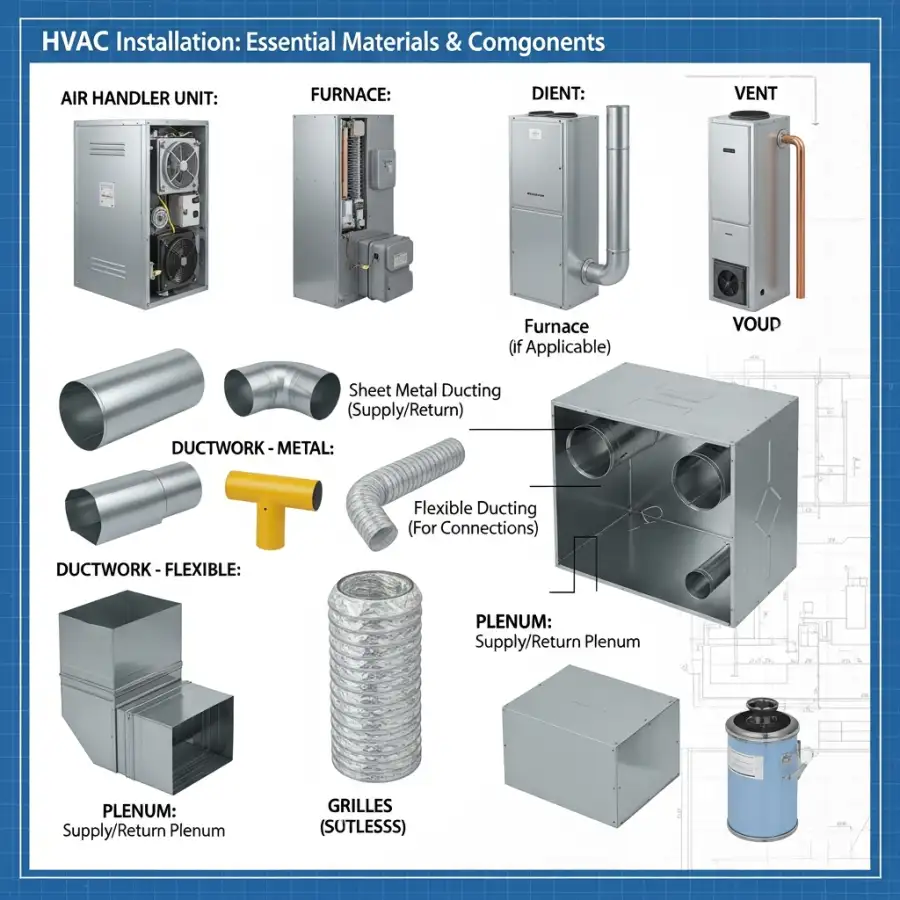
Are you planning to install a new HVAC system? Navigating the process can feel overwhelming.
From choosing the right unit to ensuring proper installation, this checklist will be your guide.
Get ready to take control and ensure your home's comfort and efficiency with our comprehensive HVAC installation checklist.
Installing an HVAC system is a significant undertaking, but with the right preparation, it can be a smooth and rewarding experience. This comprehensive HVAC installation checklist is designed to guide homeowners through every step, from initial planning to final inspection. Whether you're upgrading your existing system or installing a new one, this guide will help you make informed decisions and ensure a successful outcome. This guide covers everything from selecting the right HVAC system to understanding local regulations and ensuring proper installation. With this checklist, you'll be well-equipped to manage your HVAC project with confidence and achieve optimal comfort and efficiency in your home.
Quick navigation
Pre-Installation Planning and Preparation
Before installation, careful planning is essential. This phase involves critical steps to ensure a smooth process.
First, assess your home's current HVAC needs. Consider the square footage of your home, insulation quality, and energy consumption. This information helps you determine the appropriate size and type of HVAC system. Next, research local regulations and building codes. Different jurisdictions have specific requirements for HVAC installations, including permits, inspections, and safety standards. Failing to comply can result in delays and penalties.
Determine your budget. HVAC systems can range widely in price, so setting a realistic budget will help you narrow down your options. Get multiple quotes from different HVAC contractors to compare pricing and services. Check references and read reviews to ensure you're working with a reputable and experienced professional. Finally, prepare your home for installation. This might include clearing access to the site, protecting floors and furniture, and ensuring adequate electrical and gas connections. Proper preparation will streamline the process and minimize disruptions.
Choosing the Right HVAC System
Selecting the right HVAC system is crucial for your home's comfort and energy efficiency. Understanding the various options is essential for making an informed decision.
There are several types of HVAC systems to consider. Central air conditioning systems are common and efficient for cooling entire homes. Heat pumps provide both heating and cooling and are energy-efficient in moderate climates. Furnaces are typically used for heating, often combined with an air conditioning unit. Ductless mini-split systems are ideal for homes without existing ductwork or for zoning specific areas. Consider the SEER (Seasonal Energy Efficiency Ratio) and HSPF (Heating Seasonal Performance Factor) ratings when comparing systems. Higher ratings indicate greater energy efficiency, which can lead to lower utility bills. Factors like your home's size, layout, climate, and personal preferences will influence your final choice. Consulting with an HVAC professional will help you assess your needs and select the best system for your home.
HVAC Installation Checklist: Step-by-Step
The installation process involves several critical steps that must be performed correctly. Are you familiar with each step, and do you know what to look for?
1. System Delivery and Inspection
The HVAC contractor delivers the new system components. Inspect all items for damage upon arrival. Ensure all necessary parts are present and match the equipment specifications.
2. Old System Removal
If replacing an existing system, the old unit is removed. This includes disconnecting electrical and gas lines, removing refrigerant, and carefully taking out all components.
3. Ductwork Preparation (If Applicable)
Inspect existing ductwork for damage or leaks. Seal any leaks and ensure proper insulation. For new installations, install ductwork according to the system's design and local building codes.
4. Equipment Placement
The new indoor and outdoor units are placed in their designated locations. Ensure the outdoor unit has adequate clearance for airflow. Verify that the indoor unit is securely positioned and accessible for maintenance.
5. Refrigerant Lines, Electrical, and Gas Connections
Connect refrigerant lines between the indoor and outdoor units. Properly wire the electrical connections, including power supply and control wiring. If applicable, connect the gas lines, ensuring there are no leaks.
6. System Startup and Testing
Turn on the system and test all functions, including heating, cooling, and fan operation. Check for proper airflow and temperature distribution. Measure refrigerant levels and adjust if necessary.
7. Final Inspection and Cleanup
Inspect the entire installation for leaks, loose connections, and code compliance. Clean up the work area, removing debris and packing materials. Provide a walkthrough with the homeowner to explain system operation and maintenance.
Understanding Permits and Inspections
Navigating the permit and inspection process is essential for ensuring a compliant and safe installation. What are the key elements you need to know?
Start by obtaining the necessary permits. Your HVAC contractor should handle this, but it’s helpful to understand the process. Permits are required to ensure the installation meets local building codes and safety standards. Next, schedule inspections. Inspections are typically performed at various stages. The inspector will check for code compliance, proper installation, and safety. Prepare for the inspection by ensuring all work is completed according to code. Have all necessary documentation, such as permits and equipment specifications, available. Address any issues identified during the inspection promptly to avoid delays and penalties. Compliance with local regulations is not only a legal requirement but also ensures the safety and efficiency of your new HVAC system. Failing to comply can lead to fines, system failure, and potentially dangerous situations.
What this means for you
Understanding the HVAC installation checklist empowers you as a homeowner. Are you ready to take control of your home's comfort?
This checklist ensures that your HVAC project is executed correctly, increasing the lifespan of your system. You’ll be able to communicate effectively with contractors, preventing misunderstandings and ensuring that all aspects meet your needs and expectations. By being informed, you can make cost-effective decisions, such as choosing the right system and negotiating favorable pricing with contractors. Ultimately, this leads to a more efficient, comfortable, and energy-saving home environment.
Risks, trade-offs, and blind spots
HVAC installations can present potential pitfalls. Have you considered these factors?
Inadequate planning can lead to unforeseen costs, delays, and system inefficiencies. Choosing the wrong HVAC system for your home's size and climate can result in poor performance and higher energy bills. Hiring an unqualified or unreliable contractor can compromise the quality of installation, leading to system failures and safety hazards. Ignoring local building codes and failing to obtain necessary permits can result in costly fines and rework. Finally, neglecting regular maintenance can reduce the lifespan of your HVAC system and impact its energy efficiency. Being aware of these potential issues is key to avoiding them and ensuring a successful installation.
Main points
Here’s a quick recap of the essential elements of the HVAC installation checklist.
- Plan Thoroughly: Assess your home's needs, research local regulations, and set a budget.
- Choose Wisely: Select the right system based on your home's size, climate, and energy efficiency needs.
- Follow the Steps: Ensure each installation step, from delivery to final inspection, is properly executed.
- Secure Permits: Obtain all required permits and schedule inspections to comply with local codes.
- Proper Installation: Ensure correct ductwork, electrical, and gas connections.
- Test and Verify: Test the system thoroughly after installation to ensure all functions operate correctly.
- Professional Help: Work with qualified HVAC contractors for optimal results. Finding the right contractor is crucial to a successful installation.
- Maintenance Matters: Schedule regular maintenance to extend the life and efficiency of your system.
By following this HVAC installation checklist, you'll be well-prepared to manage your HVAC project. Take the time to plan, select, and install your system correctly, and you'll enjoy optimal comfort and energy efficiency for years to come. Remember, proper installation is just the beginning. Schedule regular maintenance and choose a reliable HVAC company to ensure your system continues to run smoothly.