

HVAC Installation vs. Repair: Which is Right for You?
A comprehensive guide to help you decide
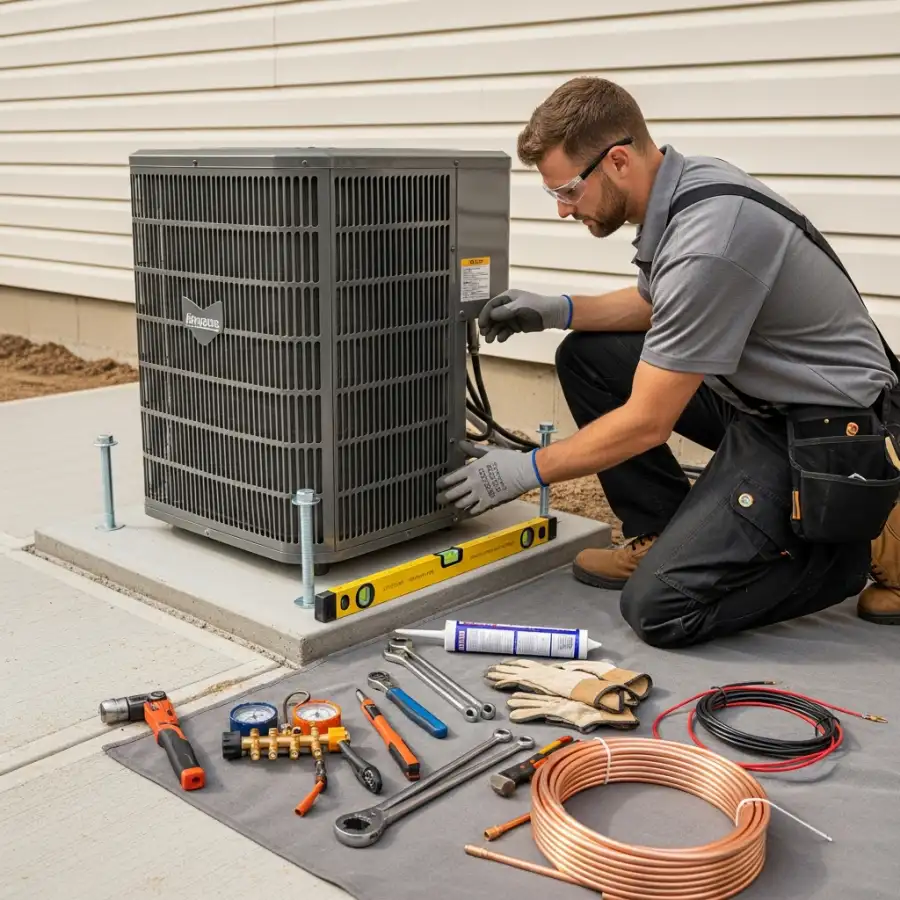
Is your HVAC system on its last leg, or is a simple repair all you need? The decision can be complex, but we're here to help.
Understanding the difference between HVAC installation and repair is the first step toward making a smart choice for your home and budget.
This guide will explore the factors influencing your decision, from costs and energy efficiency to long-term comfort and value.
Deciding between HVAC installation and repair is a crucial decision for any homeowner. The choice can significantly impact your comfort, your wallet, and even your home's value. With the rising costs of energy and the increasing complexity of modern HVAC systems, it's essential to understand the pros and cons of each option. This guide will provide a clear and comprehensive overview of both HVAC installation and repair, helping you make an informed decision for your home.
Quick navigation
When to Choose HVAC Installation
Deciding when to install a new HVAC system can be a significant decision, but it's often necessary to ensure your home's comfort and energy efficiency. There are several clear indicators that point towards the need for a full HVAC installation rather than a repair. Recognizing these signs early can save you money and headaches in the long run.
One of the most apparent indicators is the age of your current system. HVAC systems typically have a lifespan of 10 to 15 years. If your system is approaching or has surpassed this age, it's likely time to consider a replacement. Older systems are less efficient and more prone to frequent breakdowns, leading to higher energy bills and repair costs. Furthermore, finding replacement parts for older models can become increasingly difficult and expensive.
Another key factor is the frequency and cost of repairs. If you find yourself constantly calling for repairs, and the cost of these repairs is starting to add up, it may be more economical to invest in a new system. A series of repairs indicates that the system is nearing the end of its life, and each repair is merely a temporary fix. A new HVAC system offers a fresh start with updated technology and improved performance.
Are you experiencing uneven heating or cooling throughout your home? This is another red flag. Uneven temperatures can be a sign of ductwork issues or an undersized system. While ductwork repairs might solve some problems, an outdated or undersized system will always struggle to provide consistent comfort. Upgrading to a new, properly sized system ensures optimal performance and even temperatures throughout your living space.
Consider energy efficiency as well. If your current system is not Energy Star certified, it's likely using older technology that is less efficient. New HVAC systems are designed with advanced features that use significantly less energy, which can lead to substantial savings on your monthly energy bills. Over time, these savings can offset the initial cost of installation, making it a wise investment.
Finally, think about your comfort. Are you satisfied with the level of comfort your current system provides? If you're constantly adjusting the thermostat or still feeling uncomfortable, a new HVAC system could offer improved temperature control, humidity regulation, and air quality. The benefits of a new system go beyond just temperature regulation, enhancing the overall quality of life in your home. Would you rather have consistent comfort or continue to struggle?
When HVAC Repair is the Best Option
While HVAC installation is sometimes necessary, it’s not always the best solution. Many situations call for a repair instead. Knowing the difference can save you money and prolong the life of your HVAC system. When should you opt for repair?
The first factor to consider is the nature of the issue. Simple problems, such as a faulty capacitor, a clogged air filter, or a minor refrigerant leak, can usually be fixed with a repair. These issues are often quick and inexpensive to resolve, restoring your system to its optimal performance. It's important to have these issues addressed promptly to prevent them from escalating into more significant problems.
The age of the system is also a critical consideration. If your HVAC system is relatively new and the problem is minor, repair is often the more economical choice. A new system is a significant investment, and repairing a minor issue in a newer system can extend its life at a fraction of the cost.
Another factor to consider is the cost of the repair. If the repair cost is significantly less than the replacement cost and doesn't involve major components, a repair is usually the better option. However, if the repair cost is approaching half the cost of a new system, it's worth evaluating whether a replacement would be more beneficial in the long run.
Moreover, consider the warranty. If the system is still under warranty, repairs are often covered, making them a clear choice. Even if the warranty doesn't cover the full cost, it might significantly reduce your expenses. Be sure to check your warranty details before making any decisions.
Lastly, assess the performance of your system after a repair. If a repair successfully restores your system's efficiency and comfort levels without any recurring issues, it's a good indication that you made the right decision. What's more important, a quick fix or a complete replacement?
HVAC Installation vs. Repair Costs
Cost is a crucial factor in deciding between HVAC installation and repair. Understanding the financial implications of each option will help you make an informed decision. While repair costs are typically lower, installation involves significant upfront expenses. However, the long-term benefits and cost savings of a new system may outweigh the initial investment.
HVAC repair costs vary greatly depending on the nature of the problem and the components involved. Minor repairs, such as replacing a capacitor or cleaning coils, can cost a few hundred dollars. More complex repairs, such as replacing a compressor or repairing a refrigerant leak, can range from several hundred to over a thousand dollars. The cost also depends on labor rates, which can vary by location and the HVAC company you choose. It's essential to get a detailed estimate before authorizing any repairs.
HVAC installation costs can be substantial. The total cost depends on several factors, including the size of your home, the type of HVAC system you choose (e.g., central air, heat pump, ductless mini-split), and the complexity of the installation. For a central air system, you can expect to pay several thousand dollars. New unit costs have a wide range, check out the breakdown here: HVAC installation cost breakdown.
Beyond the initial cost, consider long-term savings. New, energy-efficient HVAC systems can significantly reduce your energy bills. Over time, these savings can help offset the cost of installation. Additionally, new systems come with warranties, protecting you from unexpected repair costs down the line. What's the best option for your pocketbook?
Factors to Consider in Your Decision
Making the right decision between HVAC installation and repair involves evaluating several factors beyond just the immediate costs. By considering these key aspects, you can choose the best option for your home and lifestyle.
The first factor is the age of your current system. As mentioned earlier, systems over 10 to 15 years old are nearing the end of their lifespan and are likely to be less efficient and more prone to breakdowns. In such cases, replacing the system is usually the more cost-effective option, offering improved performance and reliability.
The efficiency of the system is another critical consideration. Older systems often have lower SEER (Seasonal Energy Efficiency Ratio) ratings, meaning they consume more energy to provide the same level of cooling. New, energy-efficient systems can significantly reduce your energy bills. Reviewing your system's SEER rating and comparing it to newer models can help you estimate potential savings.
The size of your home and the capacity of the HVAC system play a crucial role. An undersized system will struggle to cool or heat your home effectively, leading to discomfort and higher energy bills. If your home has undergone renovations or expansions, the existing system may no longer be adequate. In such cases, a new installation with the correct capacity is necessary.
Consider the comfort level you're experiencing. Uneven temperatures, humidity issues, and poor air quality are all signs that your system may not be performing optimally. A new, well-designed system can provide better temperature control, humidity regulation, and improved air filtration, enhancing your overall comfort. What is your comfort worth to you?
Finally, think about the long-term value. While repair might be cheaper in the short term, a new HVAC system can increase the value of your home. Energy-efficient systems are particularly attractive to potential buyers. Is a long-term investment better for your overall financial health?
The Benefits of Professional HVAC Services
Whether you need an HVAC installation or a repair, working with professional HVAC services is essential. Choosing a qualified and experienced HVAC contractor ensures that the job is done correctly and safely, maximizing the performance and lifespan of your system.
One of the primary benefits of professional HVAC services is expertise. HVAC technicians are trained to diagnose and resolve various HVAC issues. They have the knowledge and experience to identify the root cause of the problem, recommend the best solutions, and perform the necessary repairs or installations efficiently. Look for a reputable company in your area. For example, search for “HVAC company near me” to find local experts, and compare reviews.
Professional HVAC contractors can also help you select the right system for your home and budget. They can assess your home's needs, consider factors like size, insulation, and climate, and recommend the most suitable system. They can also provide detailed estimates, including labor and material costs, helping you make an informed decision. Finding a company you can trust helps you make sound financial decisions. Check out these tips for choosing the right one: finding reliable AC contractors.
Safety is another crucial aspect. HVAC systems involve electrical components and refrigerants, which can be dangerous if not handled properly. Professional technicians are trained to work with these components safely, reducing the risk of accidents and ensuring your system operates without hazards. Improper installations or repairs can lead to electrical fires, refrigerant leaks, or other safety concerns. Professional work is also up to code and fully permitted.
Finally, professional HVAC services often come with warranties. These warranties protect you from unexpected repair costs and ensure that any issues are resolved promptly. This provides peace of mind and protects your investment. What are the benefits of working with HVAC experts?
What this means for you
Navigating the decision between HVAC installation and repair can be overwhelming, but by carefully considering the factors discussed, you can make an informed choice that best suits your needs. Consider your budget, the age and efficiency of your current system, and your comfort preferences. Evaluate the long-term costs and benefits of each option, remembering that a new, energy-efficient system can provide significant savings on your energy bills.
Don't hesitate to consult with professional HVAC contractors. They can assess your home's specific needs, provide expert advice, and offer tailored recommendations. Remember that a well-maintained HVAC system not only ensures your comfort but also enhances the value of your home.
Consider the peace of mind that comes with a reliable HVAC system. By investing in the right solution, whether it's a repair or a new installation, you can create a comfortable and efficient living environment for years to come. What matters most to you in the end?
Risks, trade-offs, and blind spots
Making a decision about your HVAC system involves understanding the potential risks, trade-offs, and blind spots of each option. Being aware of these aspects will help you make a more informed and strategic choice.
One significant risk is the possibility of choosing the wrong solution. For instance, opting for a repair when a new installation is needed can lead to repeated breakdowns and higher overall costs. On the other hand, installing a new system prematurely could be an unnecessary expense. The key is to assess your system's condition and needs thoroughly. Don't let an HVAC issue get the best of you!
Another trade-off is the balance between short-term costs and long-term benefits. While repair might be cheaper upfront, a new, energy-efficient system can yield significant savings on your energy bills over time. However, the initial investment in a new system is substantial. Evaluating the potential savings and considering your budget is critical.
One potential blind spot is overlooking the long-term impact on your home's value and comfort. A new, modern HVAC system can significantly increase your home's value, making it more attractive to potential buyers. Furthermore, it can improve your quality of life by providing consistent temperature control, better air quality, and enhanced comfort. Ignoring these aspects might lead to an underestimation of the benefits of a new installation. What will you choose?
Main points
- Age of the System: If your system is over 10-15 years old, consider replacement.
- Repair Frequency: Frequent repairs indicate the need for a new system.
- Uneven Temperatures: A sign of ductwork issues or an undersized system.
- Energy Efficiency: Older systems are less energy-efficient.
- Repair Costs: If repairs are approaching half the cost of a new system, replacement is better.
- Professional Services: Consult with HVAC professionals for expert advice.
- Home Value: A new system can increase your home's value.
- Comfort: Prioritize consistent temperatures and good air quality.
Choosing between HVAC installation and repair requires careful consideration of various factors. By evaluating your system's age, efficiency, and repair history, you can make an informed decision that meets your comfort needs and budget. Remember to consult with qualified HVAC professionals for expert advice and assistance.