

New HVAC Install 2026: Navigating the Fears, Costs, and Changes
A comprehensive guide to preparing for your future HVAC upgrade.
Are you worried about the potential costs of a new HVAC install in 2026? You're not alone. Many homeowners are bracing for changes.
With new regulations, evolving technologies, and potential hidden expenses, the process can seem daunting. Knowledge is your best defense.
This guide will help you understand the landscape of HVAC installations, focusing on what you need to know to make informed decisions and save money.
The year 2026 is approaching. It brings new developments in the HVAC (Heating, Ventilation, and Air Conditioning) industry. If you plan a new HVAC install, this period has opportunities and challenges. Rising costs, new government regulations, and technological advancements are factors. Understanding what is ahead is crucial. This guide provides a detailed look at the key factors influencing HVAC installations in 2026. It helps you prepare for a smooth and cost-effective upgrade. We will address financial concerns, technological shifts, and the essential steps to ensure you are well-equipped for the future.
Quick navigation
What this means for you
Planning a new HVAC install in 2026 means considering various elements. What are the key elements? First, there is the financial aspect. Costs will likely fluctuate based on market conditions, the complexity of the installation, and the equipment you choose. The second consideration involves technological advances. New HVAC systems are more efficient and use smart technologies for better control and energy savings. Finally, there is the regulatory landscape. It mandates specific equipment types and installation standards to improve environmental sustainability and consumer safety. Are you ready to adapt?
New Regulations and Compliance
Federal and state regulations will impact HVAC installations in 2026. These regulations aim to increase energy efficiency, reduce greenhouse gas emissions, and improve environmental standards. For example, phasing out certain refrigerants, like R-22, and using more environmentally friendly alternatives (like R-32 or R-454B) will be widespread. Also, standards for minimum efficiency (SEER2 and EER2 ratings) are becoming stricter. New systems must meet higher performance criteria. What do these regulatory changes mean for homeowners? Compliance may increase upfront costs, as newer systems often cost more. However, they also lead to lower long-term operating costs and may qualify for rebates and tax credits. Staying informed about these regulations is key to making the best decisions for your home and the environment.
Hidden Costs to Watch Out For
Beyond the sticker price of the HVAC unit, various hidden costs can increase the total expenses of a new install. Labor costs are a significant factor. The complexity of the installation, location, and demand can affect these costs. Also, ductwork modifications can be necessary to accommodate new systems. This can add to the bill. Permits and inspections required by local authorities also have fees that must be in your budget. Moreover, existing home conditions, such as the need for electrical upgrades or asbestos removal, can result in unexpected costs. Planning is key. What steps can you take to avoid these hidden costs?
Technological Advancements in HVAC
The HVAC industry is evolving. Several technological advancements are set to shape the market in 2026. Smart thermostats offer remote control, learning capabilities, and energy usage monitoring. They are becoming standard. Furthermore, heat pump technology is improving. These systems are more efficient and suitable for a wider range of climates. Another trend is the rise of hybrid HVAC systems. They combine the benefits of traditional furnaces and heat pumps. This technology lets homeowners switch between heating sources based on energy costs and weather conditions. With these advances, what are the best options for your home?
The Impact of Location: Florida and California
Your geographic location influences the choice of HVAC systems and costs. In states like Florida and California, cooling is a primary concern. The demand for air conditioning is high. This often increases prices. Climate also determines the best system for a home. Florida's high humidity levels may require systems with enhanced dehumidification capabilities. California's climates may require a more versatile system. What about the specific challenges and opportunities in these states? Regulatory differences also play a role. California often leads in adopting stringent energy efficiency standards. Florida may focus on addressing climate-specific challenges like hurricane preparedness. Consider local factors.
Energy Efficiency and Rebates
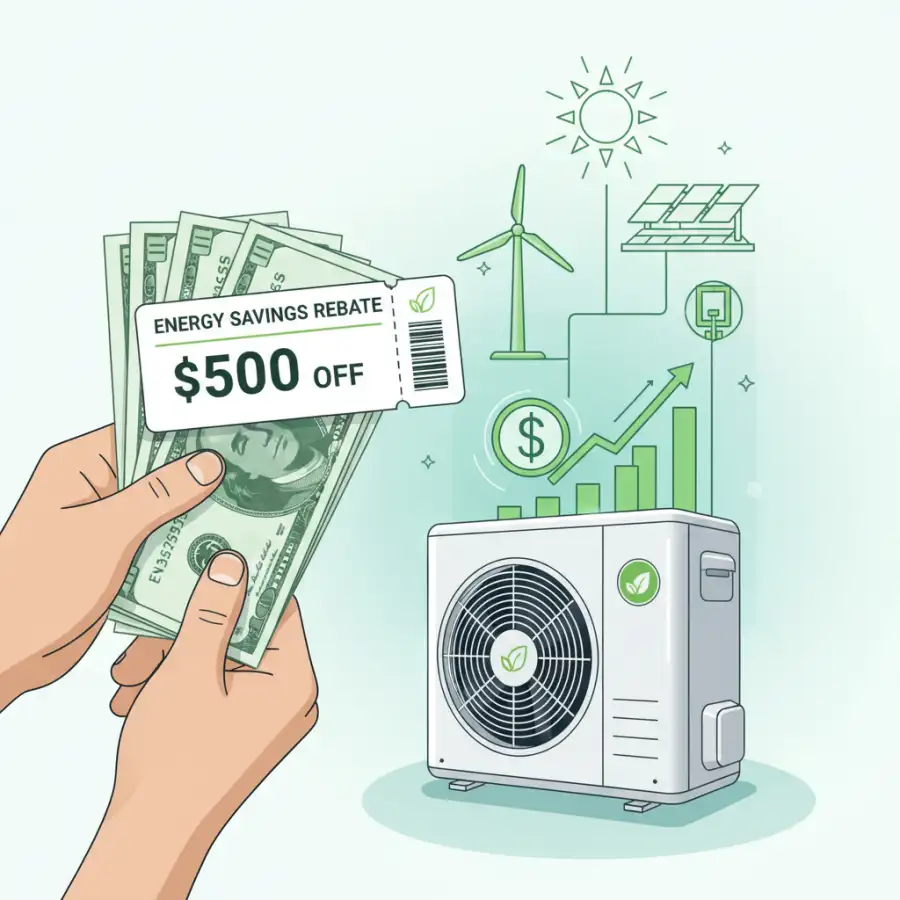
One of the most promising aspects of a new HVAC install in 2026 is saving on energy bills. You can improve efficiency and use available rebates. High-efficiency HVAC systems use less energy to provide the same comfort. This results in lower monthly utility costs. Many governments and utility companies offer rebates, tax credits, and other incentives. They encourage homeowners to upgrade to more energy-efficient systems. For example, federal tax credits may cover a portion of the system cost. State and local rebates may provide additional savings. Understanding these incentives is crucial to reducing the overall cost of your HVAC installation. Where do you start looking for rebates?
Choosing the Right HVAC Contractor
Selecting a reliable and experienced HVAC contractor is essential for a successful installation. Start by researching local contractors. Read reviews from previous customers. Verify that the contractor is licensed, insured, and certified to handle the HVAC system you are considering. Request multiple quotes. This helps you compare prices and understand the work involved. Make sure the quotes are detailed. They should cover all aspects of the installation, including labor, equipment, and extra services. Ask about warranties. A reputable contractor will provide warranties on the equipment and labor. This gives you peace of mind. Are you prepared to find a reliable contractor?
Main points
- Regulatory Compliance: New HVAC systems must meet stricter efficiency standards, such as SEER2 ratings.
- Hidden Costs: Factor in labor, ductwork, permits, and electrical upgrades to your budget.
- Technological Advancements: Smart thermostats, heat pumps, and hybrid systems are gaining popularity.
- Location Matters: Climate and regulations in Florida and California influence HVAC choices.
- Energy Efficiency: High-efficiency systems can significantly lower energy bills.
- Rebates and Incentives: Look for federal, state, and local rebates to reduce costs.
- Contractor Selection: Choose a licensed, insured, and certified HVAC contractor. Consider getting multiple quotes.
- Future-Proofing: Consider the long-term benefits of energy-efficient systems and smart technologies.
Preparing for a new HVAC install in 2026 requires careful planning and a proactive approach. Understand the regulations, potential costs, technological advancements, and available incentives. This helps you ensure a successful and cost-effective upgrade. Start researching contractors and exploring your options today to make the best decisions for your home. You can also explore the cost breakdown to help determine your budget, find reliable contractors, and review options like choosing an HVAC company.