

What's Included in a New HVAC Installation in 2026? A Comprehensive Guide
Everything you need to know about your HVAC system in the coming years.
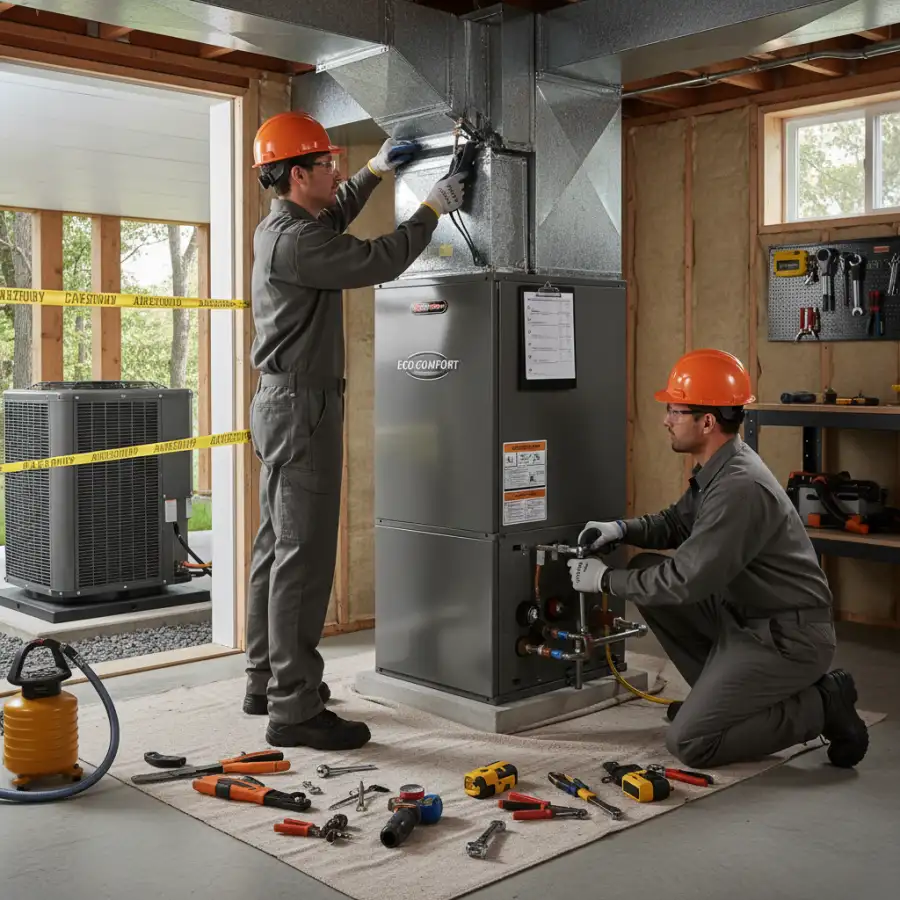
Are you planning to upgrade your HVAC system? Do you wonder what to expect when you schedule a new installation? Home climate control is changing. It is important to know what is happening.
A new HVAC installation covers more than ever, from new energy standards to smart home technology. Understanding these parts helps you make the best choices for your home and budget.
This guide explains the key parts of a 2026 HVAC installation. It gives you the knowledge to handle the process with confidence.
The world of HVAC (Heating, Ventilation, and Air Conditioning) installations will see big changes as we get closer to 2026. Improvements in technology, stricter rules, and a bigger focus on sustainability are changing what is in a new HVAC system. This guide gives a detailed look at the important parts, how to install them, and money matters for a new HVAC installation in 2026. Knowing these things is key for homeowners who want to improve their climate control systems. This helps them prepare for the future of home comfort and energy efficiency.
Whether you want to replace an old system or install one for the first time, this guide gives you helpful information.
Quick navigation
Key Components of a 2026 HVAC System
What exactly goes into a new HVAC system in the future? The main parts of a 2026 HVAC system will likely be the same as current systems. However, they will have big improvements in efficiency, performance, and integration. These include:
- Air Conditioner or Heat Pump: These are the main cooling and, in the case of heat pumps, heating units. Expect to see models with higher SEER2 (Seasonal Energy Efficiency Ratio) and HSPF2 (Heating Seasonal Performance Factor) ratings. These ratings show better energy efficiency.
- Furnace (if applicable): Systems that use a furnace for heating will likely have new technologies. These include modulating gas valves and variable-speed blowers to use energy wisely.
- Air Handler: This part moves air through the ductwork. Modern air handlers often have variable-speed motors and better filtration systems.
- Ductwork: The duct system moves air throughout the home. In 2026, we can expect more airtight ductwork and smart dampers for zone control.
- Thermostat: Smart thermostats will be standard. They will offer features like remote control, programmable settings, and smart home system connections.
- Filtration System: High-efficiency particulate air (HEPA) filters and other advanced filtration systems will often be included to improve indoor air quality.
- Refrigerant: The industry is moving to more eco-friendly refrigerants. These have lower global warming potential (GWP).
Do you want to know how these parts work together to make your home comfortable?
Installation Procedures and Best Practices
The installation process for a new HVAC system in 2026 will likely focus on precision, efficiency, and following new building codes. Here is a look at the typical steps:
- Assessment and Planning: A professional HVAC technician will check your home's needs. This includes size, insulation, and existing ductwork. They will determine the right system size and setup.
- Removal of Old System: The old HVAC system will be safely removed. This includes disconnecting electrical and refrigerant lines.
- Ductwork Inspection and Modification: The ductwork will be checked for leaks, insulation problems, and airflow issues. Changes, such as sealing leaks or adding insulation, may be needed.
- Component Installation: The new parts (air conditioner/heat pump, furnace, air handler, etc.) will be installed. They will be installed according to the manufacturer's instructions and local building codes.
- Electrical Connections: Proper electrical connections will be made to make sure the system works safely and efficiently.
- Refrigerant Charging: The system will be filled with the correct refrigerant, following environmental rules.
- Testing and Commissioning: The system will be fully tested to ensure it works correctly. This includes checking airflow, temperature, and overall performance.
- Smart System Integration: Smart thermostats and other smart home features will be set up.
Proper installation is important for your HVAC system's long-term performance and efficiency. A well-installed system can also help you save money on energy bills and make your equipment last longer. It is important to find a reliable contractor. Check out this guide on finding reliable AC contractors.
Upcoming Regulations and Standards
The HVAC industry has ongoing changes to improve energy efficiency and reduce environmental impact. In 2026, several rules will likely be in place. These affect the types of systems that can be installed and how they must perform:
- Energy Efficiency Standards: Stricter minimum efficiency standards will be in place. They will likely require higher SEER2 and HSPF2 ratings for cooling and heating equipment.
- Refrigerant Regulations: Rules about refrigerants with high GWP will keep changing. There will be a push toward refrigerants that are more eco-friendly.
- Building Codes: Local and regional building codes will be updated to match the latest energy efficiency needs. This may include requirements for better insulation, duct sealing, and smart home connections.
- Indoor Air Quality Standards: There may be more focus on indoor air quality. Rules may promote better filtration systems and ventilation.
Do you know about your HVAC system's impact on the environment and how these new rules will affect you?
Financial Incentives and Tax Credits
To encourage the use of energy-efficient HVAC systems, there will be financial incentives and tax credits in 2026. These incentives can lower the upfront cost of a new installation. This makes it more affordable for homeowners. Possible incentives include:
- Federal Tax Credits: The federal government may offer tax credits for installing energy-efficient HVAC systems that meet specific performance standards.
- State and Local Rebates: Many state and local governments offer rebates and incentives. These are for homeowners who upgrade to energy-efficient HVAC equipment.
- Utility Company Programs: Utility companies may offer rebates or financing options. These encourage customers to install energy-efficient systems. This reduces strain on the grid.
- Financing Options: Low-interest financing options may be available from different lenders. They help homeowners pay for a new HVAC installation.
Do you want to know how to save money on your next HVAC installation? Researching these incentives before you start your project can lead to big savings.
Regional Variations and Considerations
The specific needs and things to think about for an HVAC installation can be different depending on where you live. Factors to consider include:
- Climate: Your area's climate will affect the type of HVAC system that is best. For example, homes in hot, humid areas may benefit from air conditioners with dehumidification features. Homes in cold areas may need high-efficiency heat pumps or furnaces.
- Building Codes: Local building codes set the standards for HVAC installations. These include efficiency needs, ductwork specifications, and safety measures.
- Availability of Incentives: The availability and types of financial incentives and rebates can be different by region.
- Contractor Expertise: It is important to find a local HVAC contractor who knows your area's climate and building codes. This is important for a successful installation. Check out how to choose the best HVAC company for your needs.
Understanding these regional differences can help you tailor your HVAC installation to your needs. It can also ensure the best performance and efficiency.
What this means for you
As a homeowner, understanding what is in a new HVAC installation in 2026 is key to making good choices. This means considering:
- Energy Efficiency: Choose systems with high SEER2 and HSPF2 ratings to save on energy costs and reduce your environmental impact.
- Smart Technology: Use smart thermostats and other features for better control and convenience.
- Indoor Air Quality: Make sure your system has advanced filtration to keep your indoor air healthy.
- Compliance: Make sure the system follows all local building codes and rules.
- Budgeting: Research financial incentives and tax credits to lower the total cost of the installation.
Are you ready to embrace the future of home comfort and get the most from your HVAC investment?
Risks, trade-offs, and blind spots
The future of HVAC offers many benefits, but there are also possible risks and trade-offs:
- Upfront Costs: High-efficiency systems may have higher initial costs. However, incentives can help with these costs.
- Complexity: Advanced systems can be more complex to install. They may need specialized knowledge.
- Maintenance Requirements: Some advanced systems may need more or special maintenance.
- Technological Obsolescence: Technology changes quickly. The latest systems may become outdated faster than older models.
Think about these factors to make a well-informed decision.
Main points
Here are the key takeaways from this guide:
- Efficiency is Key: Choose systems with high energy-efficiency ratings to save money and reduce environmental impact.
- Smart Technology: Smart thermostats and connections with smart home systems are becoming standard.
- Regulations Matter: Know about upcoming rules and make sure your system follows them.
- Financial Incentives: Use available tax credits and rebates to lower costs.
- Professional Installation: Hire a qualified HVAC contractor for a correct and efficient installation.
- Indoor Air Quality: Focus on systems with better filtration for better indoor air quality.
- Regional Considerations: Think about local climate, building codes, and available incentives.
- Future-Proofing: Choose systems that can adapt to future technology and rule changes.
Planning for a new HVAC installation in 2026 needs careful thought about the latest advancements, rules, and financial incentives. By staying informed and making good choices, you can make sure your home stays comfortable, energy-efficient, and meets future standards. For more information, read this guide about HVAC installation cost breakdowns.