

Best Roofing Materials for Hot Climates: A Comprehensive Guide
Choosing the Right Roof for Durability and Energy Efficiency
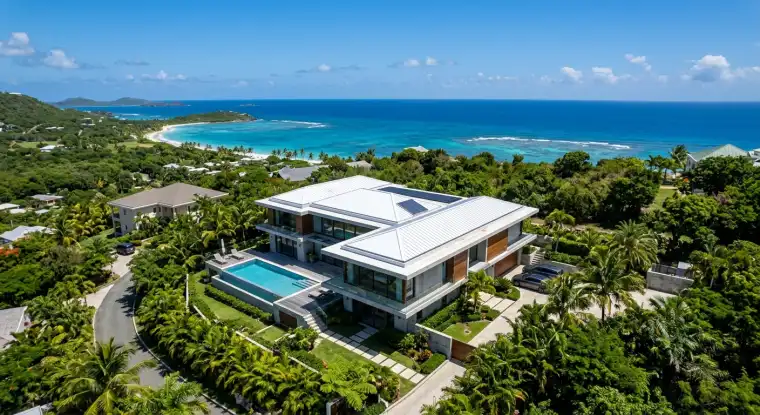
Is your roof ready for the relentless sun and scorching heat? It's time to find out.
Choosing the right roofing material can significantly impact your home's comfort, energy bills, and overall lifespan.
This guide will help you navigate the best roofing materials for hot climates, ensuring your home stays cool and protected for years to come.
Hot climates create unique problems for roofing materials. Intense sunlight, extreme temperatures, and often high humidity can speed up wear and tear. This leads to costly repairs or needing to replace your roof too soon. The best roofing materials for hot climates must reflect heat, resist moisture, be durable, and be cost-effective. This guide explores the top roofing options. It helps you make a good choice for your home. We will look at each material. We will compare their pros and cons. This will help you select the best roof for your needs. The right roofing material affects your home's energy use and how long it lasts. This article gives you the important information to make a smart investment.
Understanding these things is key to choosing the right roofing material. It protects your home. Let's look at each material. We will compare their advantages and disadvantages. This will help you make a good decision. This guide gives you the knowledge to pick the best roofing material for your needs. Your home is a big investment. A well-chosen roof protects your home and makes it more valuable. Let's explore the best roofing materials for hot climates.
Quick navigation
Asphalt Shingles
Asphalt shingles are popular because they are affordable and easy to install. However, they do not always work well in hot climates. Standard asphalt shingles absorb heat. This can increase your home's cooling costs. The sun can cause them to break down faster. They may crack, curl, and lose granules. Modified asphalt shingles have polymers. These make them more durable and flexible. They resist high temperatures and UV radiation better. They cost more, but their better performance may be worth the investment in hotter areas. Also, consider lighter-colored shingles. They reflect sunlight and absorb less heat than darker shades.
Clay and Concrete Tiles
Clay and concrete tiles are great choices for hot climates. They have thermal mass and reflect sunlight. These tiles absorb heat slowly and release it slowly. This helps control the temperature inside your home. Their natural materials provide good insulation. This reduces energy use and cooling costs. The light colors of these tiles reflect sunlight. This improves their energy efficiency. However, clay and concrete tiles are heavier than asphalt shingles. Your roof structure must be able to hold the extra weight. Also, installation is often more complex and costly. The tiles can break if not handled carefully. Despite these downsides, they last a long time and save energy. This makes them a good choice in hot, sunny areas. Learn more about roofing construction from Wikipedia.
Metal Roofing
Metal roofing, including steel, aluminum, and copper, is a popular choice for hot climates. Metal roofs reflect sunlight well. This reduces heat absorption and keeps your home cooler. They are very durable. They can handle extreme temperatures, high winds, and heavy rain. Metal roofs are also lightweight. They can often be installed over existing roofs. This lowers labor costs. You can choose from corrugated metal, standing seam metal, and metal tiles. Each has its own look. Metal roofing can cost more than asphalt shingles at first. However, its long life and energy efficiency often make it a better choice over time. Think about the type of metal and the finish. Lighter colors and reflective coatings work best in hot climates.
Built-Up Roofing (BUR)
Built-up roofing (BUR) systems are a traditional choice. They work well for flat or low-slope roofs. They have several layers of roofing felt with asphalt. This creates a waterproof barrier. BUR roofs are durable and protect against the weather. However, they absorb heat. This can increase cooling costs in hot climates. To help with this, use a white or light-colored reflective coating on the surface. These coatings can greatly reduce heat absorption. This improves the roof's energy efficiency. Regular maintenance is important to keep a BUR system in good shape. The layers can blister or crack over time. This roofing material is a great choice if you want an affordable, protective, and long-lasting roof.
Modified Bitumen Roofing
Modified bitumen roofing is an improvement over traditional BUR systems. It uses polymers in the asphalt. This improves flexibility, durability, and resistance to extreme temperatures. These roofs come in different forms, including rolled roofing and torch-down systems. They work better in hot climates than standard BUR systems. They are less likely to crack and blister. Modified bitumen roofs can also have reflective materials. This reduces heat absorption and improves energy efficiency. The initial cost may be a little higher than BUR. However, the better durability and performance make it a good investment. Explore the best eco-friendly options at fonh.online.
What this means for you
Choosing the right roofing material for your home in a hot climate is important. It helps with comfort and saves money. You must consider your specific needs, budget, and local climate. Think about the long-term benefits of each material. This includes energy efficiency, durability, and maintenance. A good roof can lower your cooling costs. It can make your roof last longer and increase your home's value. By comparing the pros and cons of each option, you can make a good choice. It will meet your home's needs.
Risks, trade-offs, and blind spots
Each roofing material has its own risks and trade-offs. Asphalt shingles are affordable but may not hold up as well in extreme heat. Clay and concrete tiles are durable but can be expensive. They also need a strong roof structure. Metal roofing performs well but may cost more at first. BUR systems need regular maintenance, and modified bitumen has a slightly higher initial cost. There is no single best choice. The best choice depends on your situation. Consider things like the availability of materials and the skills of local contractors. Also, consider any rules from your homeowner's association or local building codes. Not considering these things could cause problems later.
Main points
- Asphalt Shingles: Affordable but think about modified or lighter colors for better heat resistance.
- Clay and Concrete Tiles: Great thermal mass and reflective properties, but they can be heavy and costly.
- Metal Roofing: Very reflective and durable, but the upfront costs may be higher.
- Built-Up Roofing (BUR): A traditional choice for flat roofs. Use reflective coatings to improve energy efficiency.
- Modified Bitumen: Better durability and resistance to extreme temperatures compared to BUR systems.
- Consider the Climate: Think about the climate's specific challenges, like humidity and extreme temperatures.
- Budget and Installation: Look at your budget and the cost of professional installation for each material.
- Long-Term Value: Consider the lifespan, maintenance needs, and potential energy savings of each option.
Choosing the right roofing material for a hot climate is a crucial decision. It affects your home's comfort, energy efficiency, and value. Think about the things discussed above. Compare your options. You can make an informed choice that meets your needs. Research different materials. Talk to roofing professionals. Read reviews to be sure you are making a good decision. Invest in a roof that not only protects your home but also improves your lifestyle. Make a good decision today. Protect your home from the elements. Think about eco-friendly roofing solutions. Find out more here.