

How to Choose the Right Roofing Material: A Comparative Guide
Making an informed decision for your home.
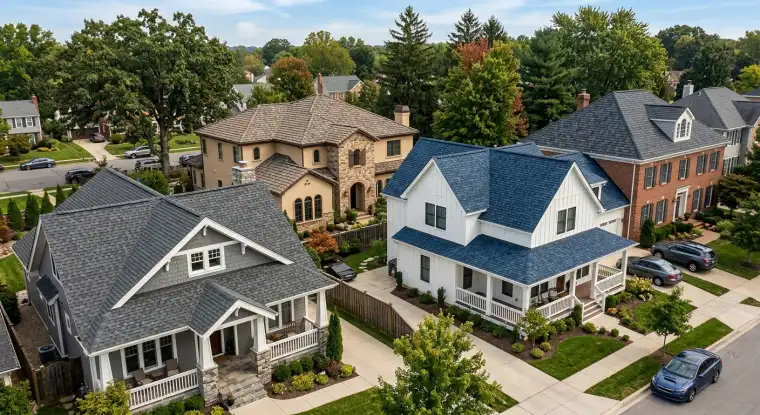
Your roof protects your home. Choosing the right material can seem difficult. What if you could make an informed choice that balances how long it lasts, cost, and looks?
From asphalt shingles to metal roofing, each choice has advantages and disadvantages. Are you ready to learn the important factors that will protect your investment?
This guide helps you understand roofing materials. It gives you insights to choose the best option for your home and budget. Let's find your perfect roof!
Choosing the right roofing material is important. The roof protects your home from the weather. It also helps with your home's value and appearance. You have many choices. Knowing the pros and cons of each is essential. This guide compares popular roofing materials. It helps you make a decision based on your needs, budget, and preferences. We will look at asphalt shingles and metal roofing. This will give you the information you need to choose the perfect roof. This guide will help you learn how to choose the right roofing material.
Quick navigation
Asphalt Shingles
Asphalt shingles are the most popular roofing material in North America. They are relatively inexpensive and easy to install. They come in many styles and colors. However, they do not last as long as other materials. They may need more maintenance. The starting cost is usually lower than metal or tile. This makes them a good choice for people on a budget. They come in two main types: three-tab and architectural (dimensional) shingles. Architectural shingles are thicker and look better. They also last longer.
Think about the installation costs when you consider asphalt shingles. Are you prepared for repairs or replacement in the future?
Metal Roofing
Metal roofing lasts a long time and is very durable. Materials like steel, aluminum, and copper resist fire, pests, and bad weather. Metal roofs can last 50 years or longer. They often come with long warranties. The initial investment is higher. But the long-term benefits can be significant because of how long they last and the low maintenance. Metal roofs also have design options, like standing seam, corrugated, and metal tiles. Metal's ability to reflect light can also improve energy efficiency. This can lower cooling costs.
Are you willing to invest more at the start for a roof that will last for decades?
Clay and Concrete Tile
Clay and concrete tiles are known for their appearance and how long they last. They give a classic look that works with many styles. They resist fire and pests. These tiles can last for over 50 years. They also increase a home's value. These materials are heavy. So, you need a strong roof structure. Installation costs can be higher. Concrete tiles are less expensive than clay tiles. But they still last a long time. Both options work well in warm climates. They also provide good insulation.
Can your home's structure support the weight of these heavy materials?
Wood Shake and Shingles
Wood shake and shingles have a rustic, natural look. They are made from cedar, redwood, or other types of wood. They provide good insulation and a unique look. However, wood roofs can be damaged by fire, pests, and moisture. You must maintain them regularly. This includes cleaning and treatment. They usually do not last as long as metal or tile. They are often more expensive than asphalt shingles. The look of wood shake is appealing. But you must consider its limitations.
Are you prepared for the maintenance needed for a wood roof?
What this means for you
Choosing the right roofing material involves thinking about cost, how long it lasts, appearance, and climate. Asphalt shingles are affordable and versatile. Metal roofing lasts a long time and is energy efficient. Clay and concrete tiles look good and last a long time. Wood shake and shingles have a unique rustic look. By considering these factors, you can make an informed decision. Choose the best option for your needs and budget. The right choice protects your home and increases its value.
Think about your long-term goals. Do you want a cost-effective solution, or are you prepared to invest more for greater longevity? Consider the climate where you live. Some materials work better in certain weather conditions.
Risks, trade-offs, and blind spots
Each roofing material has its own risks, trade-offs, and potential problems. Asphalt shingles may need to be replaced more often. They are also vulnerable to wind damage. Metal roofing can be more expensive at the start. However, its durability often justifies the cost. Clay and concrete tiles are heavy. So, you need a strong roof structure. Wood roofs can be damaged by fire and pests. Ignoring these factors can lead to costly repairs or safety hazards. Understanding these potential issues helps you make a good decision. You can also avoid problems later.
What are the potential downsides of each material? Will the roof be exposed to extreme weather? Are there local building codes or homeowner association restrictions?
Main points
- Asphalt shingles are cost-effective and versatile but do not last as long.
- Metal roofing lasts a long time, is durable, and is energy efficient. But it has a higher initial cost.
- Clay and concrete tiles look good and last a long time. But they are heavy and need a strong structure.
- Wood shake and shingles have a rustic look. But they need more maintenance and can be damaged by fire and pests.
- Consider your budget, climate, and preferences to narrow down your options.
- Assess the long-term costs, including maintenance and potential repairs, for each material.
- Research reputable brands and contractors to ensure quality installation.
- Talk to roofing professionals to get personalized recommendations and estimates.
Choosing the right roofing material is important. It impacts your home's value, protection, and appearance. By considering the factors discussed in this guide, you can make an informed choice. Choose the option that meets your needs and budget. Make the right choice and protect your investment for years to come.
To learn more about roof pricing, check out factors that increase roof prices and more roofing resources.