

How to Extend the Lifespan of Your Roof: A Comprehensive Guide
Strategies, Maintenance, and Cost-Effective Solutions
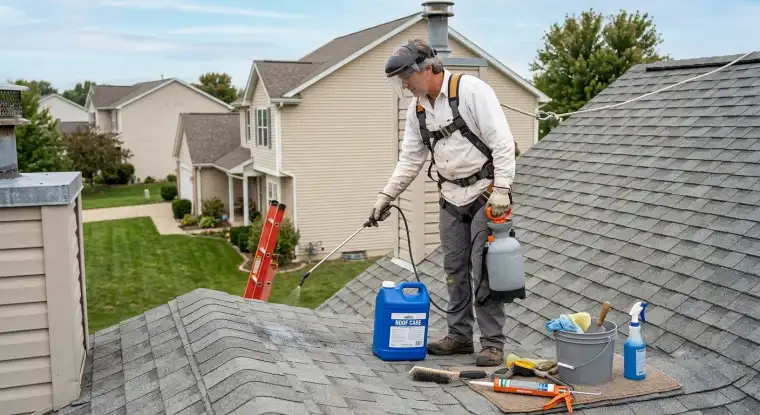
Is your roof showing signs of wear and tear? Do not rush into a costly replacement. You can add years to your roof's life.
From simple fixes you can do yourself to professional maintenance, learn how to protect your investment. Avoid roof failure that comes too soon.
Want to know the secrets of a long-lasting roof? Read on to learn the best strategies for roof longevity.
Your roof is key to protecting your home from the elements. Weather, age, and other factors can damage your roof over time. Instead of replacing your roof, which can be expensive, you can take steps to extend its lifespan. This guide explains practical maintenance tips, cost-effective solutions, and important information to help you make good choices about roof care.
Knowing how to care for your roof can save you money and keep your home safe. This guide has the information you need, whether you want to do repairs yourself or understand what professional roofers offer. By following these steps, you can keep your roof in good shape for years.
Quick navigation
- Understanding Your Roof’s Lifespan
- Regular Roof Inspections: The Key to Longevity
- DIY Roof Maintenance: Tasks You Can Handle
- Professional Roof Maintenance and Repair
- Roofing Materials and Their Lifespans
- Cost-Effective Alternatives to Full Replacement
- What this means for you
- Risks, trade-offs, and blind spots
- Main points
Understanding Your Roof’s Lifespan
How long should your roof last? The answer depends on many things. These include the roofing material, the climate where you live, and how well you care for your roof. Knowing these factors is the first step in extending your roof’s lifespan.
Roofs generally have expected lifespans that vary. Asphalt shingle roofs, the most common type, usually last 15 to 30 years. Metal roofs can last 40 to 70 years or longer. Tile and slate roofs may last even longer, possibly over 100 years. Climate also matters. Roofs in areas with harsh weather, like strong winds, heavy snow, or intense sunlight, may wear out faster than those in milder climates.
Regular maintenance can greatly impact your roof’s longevity. Check your roof often, clean it, and fix problems quickly. These actions can help you avoid costly replacements and ensure your roof continues to protect your home.
Did you know the type of roofing material greatly impacts how long it lasts?
Regular Roof Inspections: The Key to Longevity
Regular inspections are important for keeping your roof in good condition. They help you find problems early, before they become big and expensive. Check your roof at least twice a year, ideally in the spring and fall.
During an inspection, carefully look for any damage. Check for missing, cracked, or curled shingles. Look for damaged flashing around chimneys, vents, and skylights. Check for water stains on ceilings or in the attic. Look for moss, algae, or other growth. These can trap water and damage the roofing materials. Cleaning and maintaining the roof can also help it last longer.
You can do these inspections yourself. But it is often a good idea to hire a professional roofer for a more thorough check. Professionals have the skills and tools to find hidden problems you might miss. They can also give you reports and suggest repairs or maintenance.
Is it better to inspect your roof yourself or hire a professional?
DIY Roof Maintenance: Tasks You Can Handle
You can do some maintenance tasks yourself to extend your roof’s lifespan. These are usually easy for homeowners who are comfortable working at heights and following safety rules. Regular cleaning is a key task. Remove leaves, twigs, and other debris from your roof and gutters often. This prevents water from building up and causing damage.
You can often do minor repairs yourself, such as replacing a few damaged shingles or resealing flashing. Make sure you have the right materials and follow the instructions. Be careful when working on the roof. Always use safety equipment, including a ladder with a stabilizer, a safety harness, and non-slip shoes.
Many homeowners also trim tree branches to stop them from hitting the roof or dropping debris. This helps protect the roof from damage and reduces the chance of organic growth. Before starting any tasks yourself, decide if you are comfortable with the job. If you are unsure, it is best to hire a professional.
Can DIY roof maintenance save you money while extending the life of your roof?
Professional Roof Maintenance and Repair
While you can do some maintenance tasks yourself, professional roof maintenance and repairs are important for overall roof care. Professional roofers offer services to keep your roof in good condition and extend its lifespan.
Professional services often include detailed inspections, cleaning, and repairs. They use special tools and techniques to find and fix issues that you might not see. Professional contractors can also provide services to prevent problems, such as applying protective coatings or treating the roof to stop moss and algae growth.
When hiring a roofer, make sure they are licensed, insured, and have a good reputation. Check online reviews and ask for references. Get several quotes and compare the work, materials, and warranty. Regular professional maintenance can catch problems early. This helps your roof stay in good condition. Professional roof maintenance can also include a roof rejuvenation, which is sometimes called a roof coating. Many homeowners choose roof rejuvenation instead of a full roof replacement. For some information about roofing costs, see factors that increase roof prices.
Does hiring a professional roofing contractor guarantee quality results and extended roof life?
Roofing Materials and Their Lifespans
The type of roofing material you choose greatly impacts your roof’s lifespan. Knowing the features and expected lifespans of different materials helps you make informed choices about maintenance and replacement.
Asphalt shingles are the most common roofing material. They are affordable and easy to install. They usually last 15 to 30 years, depending on the quality of the shingles and the climate. Regular maintenance, like cleaning and repairs, can help them last longer.
Metal roofs, including steel, aluminum, and copper, are known for their durability. Metal roofs can last 40 to 70 years or more, and some last over a century. They resist fire, pests, and extreme weather. But metal roofs can be more expensive to install. If you are trying to understand more about roof construction, consider reviewing Domestic roof construction from Wikipedia.
Tile roofs, made from clay or concrete, are another durable option. They often last 50 to 100 years or more. They resist fire and protect against the elements. Tile roofs are heavier than other materials and need a strong support structure. Slate roofs are some of the most durable and attractive roofing materials. They often last over a century. However, they are also the most expensive to install.
Which roofing material is the best choice for longevity?
Cost-Effective Alternatives to Full Replacement
Full roof replacements can be costly. Luckily, there are cost-effective alternatives to extend your roof's lifespan and delay a full replacement. Roof coatings are a popular choice. They provide a protective layer that can seal leaks, prevent UV damage, and reflect sunlight. These coatings can extend the life of asphalt shingles and other roofing materials.
Another option is roof restoration. This involves cleaning, repairing, and applying a protective coating to the existing roof. This is less expensive than a full replacement. It can restore the roof's appearance and how it works. Regular cleaning and maintenance are key to the roof's longevity. Consider the costs of a full roof replacement versus a roof restoration. For more information, see consider the costs.
Sometimes, targeted repairs are enough to fix specific problems. This could mean replacing a few damaged shingles or repairing flashing. This approach is more cost-effective than replacing the whole roof. It can extend the roof's lifespan. Evaluate your roof to see if these cost-effective alternatives are right for you.
Are roof coatings a viable alternative to full replacement?
What this means for you
Extending your roof’s lifespan is not just about saving money. It is about protecting your home and having peace of mind. By using the strategies in this guide, you can reduce the risk of unexpected roof failures and expensive repairs.
Regular inspections, whether you do them yourself or hire a professional, are important. Finding small problems early can prevent them from becoming big issues. Making good choices can keep your home safe for years.
Whether you do DIY tasks or use professional services, you need to understand your roof and its specific needs. This knowledge helps you maintain your roof and protect your investment.
How can you ensure your roof continues to protect your home effectively?
Risks, trade-offs, and blind spots
While extending your roof’s lifespan has clear benefits, there are also risks, trade-offs, and blind spots to consider. One big risk is neglecting maintenance. Ignoring small problems can lead to more damage and faster wear.
DIY repairs can save money. But they also have risks. If repairs are done wrong, the problem can get worse. This can also void warranties. Hiring unqualified contractors can lead to bad work and added costs. Always make sure any professional you hire is licensed and has a good reputation.
Blind spots often include unseen damage, such as water damage in the attic or problems under the roofing materials. Regular inspections by professionals can help find these hidden problems before they become serious. Being proactive can help you avoid costly consequences.
What are the potential drawbacks of neglecting roof maintenance?
Main points
Here is a summary of the key things to do to extend your roof’s lifespan:
- Regular Inspections: Check your roof at least twice a year to find problems early.
- DIY Maintenance: Do tasks like cleaning and minor repairs to save money.
- Professional Services: Hire licensed and insured professionals for thorough inspections and complex repairs.
- Material Knowledge: Know how long different roofing materials last to make good choices.
- Cost-Effective Alternatives: Consider roof coatings and restoration instead of full replacement.
- Preventative Measures: Remove debris, trim branches, and fix problems quickly.
- Safety First: Always be safe when working on your roof. Use the right equipment and take precautions.
- Stay Informed: Learn about the best ways to maintain your roof.
Caring for your roof is ongoing. By using these strategies, you can make your roof last longer, protect your home, and save money. Take action now to make sure your roof protects your home for years.