

How to Know If Your Roofing Contractor Is Dishonest
Protecting Yourself from Roofing Scams and Shady Practices
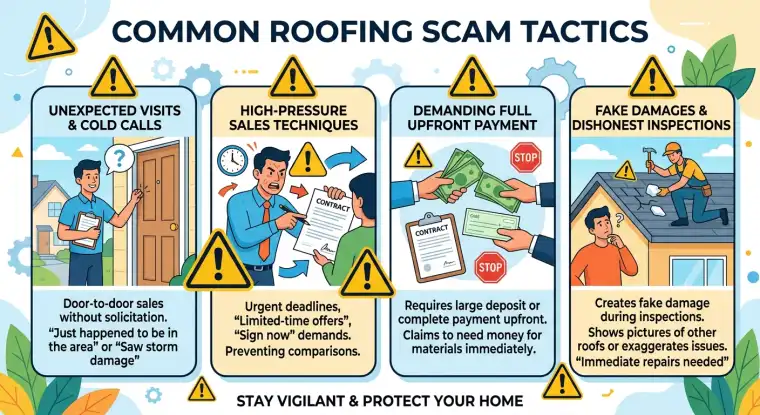
Your roof protects your home. What if the people you trust to maintain it try to take advantage of you?
Dishonest roofing contractors exist. Knowing the warning signs helps you protect your investment and have peace of mind.
This guide helps you spot potential scams, understand your rights, and make informed decisions. It ensures a smooth and trustworthy roofing experience.
Replacing or repairing your roof is a big job. You must be careful. Dishonest roofing contractors are a real concern. These people use tricky methods to overcharge you. They do poor work or disappear with your money.
This article gives you the knowledge to recognize these warning signs. It helps you protect your money and ensures your roofing project is done correctly. Knowing the signs of a dishonest contractor lets you make informed choices. You can protect your property and your money. We will explore common scams, discuss your rights, and give tips for choosing a good roofing contractor. This prevents you from being a victim of roofing scams.
Quick navigation
Recognizing the Red Flags
Spotting potential scams starts with knowing the common red flags. Dishonest contractors often use specific methods to trick people. Being aware of these signs can help you avoid being a victim.
Are you being pressured to decide quickly? High-pressure sales are a major warning sign. Be careful of contractors who demand immediate decisions or offer deals that seem too good to be true. A good contractor will let you think about the offer and get other estimates. Another red flag is an extremely low bid. A lower price may mean a contractor is cutting corners. They might use cheap materials or hire inexperienced workers.
Unlicensed contractors are another major concern. Always check that a contractor has a license and insurance in your state. This protects you if accidents happen during the project. Avoid contractors who ask for large payments before they start work. A large payment before work begins can be a sign they will not finish the project. A trustworthy contractor will usually base payments on completing certain steps.
Finally, a lack of a detailed written contract is a significant warning sign. A contract should explain all parts of the project, including the work, materials, payment schedule, and warranty information. If a contractor will not provide a written contract, it is best to find someone else.
The '25% Rule' and Other Legal Considerations
What specific protections are in place for homeowners? Knowing your rights gives you more confidence when working with roofing contractors.
The '25% rule' is an important rule in some states. It says a contractor cannot collect more than 25% of the total project cost upfront. This rule protects homeowners from contractors who take a large deposit and then do not start or finish the project. Always learn your local rules to make sure your contract follows all laws.
Another important part is the contract itself. It should clearly explain the work, the materials to be used, and the expected timeline. The contract should also include a payment schedule. This explains when payments are due and what steps must be completed before payment. Understand the warranty for both materials and workmanship. A good contractor will give a warranty that protects you from defects.
Finally, confirm that the contractor has the right insurance, including general liability and workers' compensation. This protects you if accidents happen on your property. If the contractor does not have the right insurance, you could be responsible for damages or injuries.
What this means for you
What is the importance of this information? Understanding this prevents financial loss, protects your property, and ensures a good experience.
Knowing the red flags and your rights lets you make informed choices. It lets you choose a contractor with confidence. You know you have the tools to check their reliability and ensure they do quality work. Avoiding scams and poor work will save you money, time, and stress. It will also protect your home's value. A properly installed roof will last for many years and provide peace of mind.
This knowledge will also prevent legal problems. If a contractor does not keep their promises or does poor work, you will have a strong case to protect your rights, and you will know what to do.
Risks, trade-offs, and blind spots
What are the possible downsides of not being informed, and what details might you miss?
If you do not recognize the red flags of dishonest contractors, you risk losing money. This could mean overpaying for services, getting poor work, or paying for costly repairs. Another risk is the potential for legal disputes. Dealing with a contractor who does not follow the contract or does bad work can lead to long and expensive legal battles. Be aware of the possibility of property damage. If a contractor does not have the right insurance or uses bad construction practices, your property could be damaged.
You might miss checking a contractor's credentials. Homeowners may not check licenses, insurance, and references. These are important steps in assessing a contractor's trustworthiness. Homeowners may be swayed by marketing or the promise of a quick roof replacement. They might miss important details in the contract. Ignoring the details can lead to unexpected expenses and disputes later.
How to Find a Reputable Contractor
Finding a trustworthy roofing contractor is essential for any successful project. How do you find the right professional?
Start by asking friends, family, and neighbors for referrals. Personal recommendations are valuable. If you have any leads, look for online reviews and ratings from reliable sources like the Better Business Bureau. These reviews can give you information about a contractor's reputation and customer service.
Always check the contractor's license and insurance. This is a basic requirement. It ensures the contractor is qualified and protected. Check the contractor's credentials with your state's licensing board. Make sure the contractor has liability insurance and workers' compensation insurance.
When getting bids, ask for detailed written estimates from several contractors. Compare the bids, but do not always choose the lowest price. Instead, focus on the quality of materials, the work, and the contractor's reputation. Ask for references from past clients and contact them. Ask about the contractor's experience, the quality of their work, and their communication skills.
Finally, trust your instincts. If something feels wrong or you have doubts about a contractor, do not hesitate to find another option. Your peace of mind and protecting your home are always the most important things.
Main points
Here are the key takeaways from this guide.
- Be careful of high-pressure sales and deals that seem too good to be true.
- Always check that a contractor has a license, insurance, and a good reputation.
- Insist on a detailed written contract that explains the work, materials, and payment schedule.
- Be careful of contractors who ask for large payments before starting work.
- Understand the '25% rule' and other local rules to protect yourself financially.
- Ask for references and check online reviews before deciding.
- Trust your instincts. If something feels wrong, do not use that contractor.
- Make sure the contractor has enough insurance, including liability and workers' compensation.
By following these guidelines, you can lower the risk of being a victim of dishonest roofing contractors. Remember, taking time to research, ask questions, and be careful can save you money and headaches. Choosing a reliable contractor is an investment in protecting your home.