

HVAC Install Risks: Faulty Wiring and Fire Hazards
A Guide to Preventing Electrical Fires in Your HVAC System
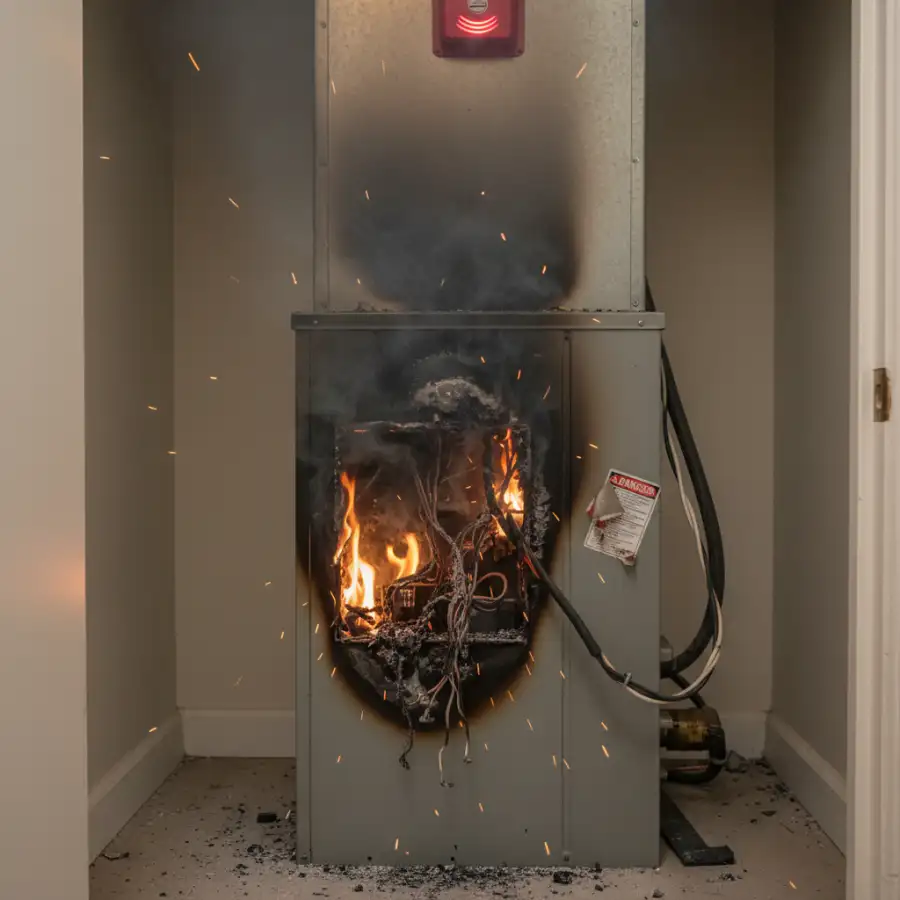
Your HVAC system keeps you comfortable. It could also be a fire risk. Faulty wiring is a main cause of HVAC fires.
Understand the dangers. Know how to prevent them. You can save your home and your life.
This guide explains the risks of faulty wiring in HVAC systems. It offers key information to keep you safe.
HVAC systems use electricity to control indoor temperatures. Wires, circuits, and connections power these systems. Problems with this electrical setup can cause serious fire hazards. This guide explains the risks. It offers advice on how to reduce them.
This guide focuses on the dangers of faulty wiring. It helps homeowners understand the risk of electrical fires. It also explains how to prevent them. The guide stresses the importance of proper installation, regular maintenance, and qualified professionals.
Quick navigation
Common Causes of HVAC Fires Due to Faulty Wiring
Several factors raise the fire risk from faulty wiring in HVAC systems. Knowing these causes is the first step in prevention.
One main cause is loose wiring connections. Over time, vibrations, temperature changes, and wear and tear can loosen wires. These loose connections create resistance. This generates heat and can ignite flammable materials.
Another big issue is using the wrong wire gauges. HVAC systems need specific wire sizes to handle the electrical load. Using smaller wires can lead to overheating, insulation problems, and fire. Overloading circuits also raises the fire risk. This happens when you connect too many components or exceed the circuit's capacity.
Poorly made or damaged wire connections also play a role. Crimps and splices that are not properly secured or use bad connectors can cause heat buildup. Damaged insulation can expose wires. This can lead to short circuits and fire hazards.
Finally, improper installation practices increase fire risk. This includes incorrect wiring, not following instructions, and not protecting wires from damage. All of these increase the chance of electrical faults and fires. Even a simple wiring error can cause a house fire.
What this means for you
The potential results of an HVAC fire from faulty wiring are serious. It is not just about damage to your HVAC system. It is about protecting your home and family.
First, there is the risk of property damage. A fire can spread quickly. It can cause a lot of damage to your home, from smoke damage to complete destruction. Repairing or rebuilding can be expensive and take a long time. There is also a serious threat to your health and safety. Smoke inhalation can cause breathing problems. The fire itself is dangerous to anyone in the home.
Also, faulty wiring can void your homeowner's insurance. This can happen if the damage is from a non-compliant installation. You might face big financial burdens not covered by insurance. Could you imagine losing your home and savings because of poor wiring?
Identifying the Warning Signs of Electrical Problems
Early detection is important to prevent HVAC fires. Knowing the warning signs can help you find problems before they get worse.
One noticeable sign is the smell of burning plastic or rubber. If you smell this near your HVAC system, it means wires or components are overheating. Also, watch for flickering lights or other electrical issues in your home. They might mean your HVAC system is using too much power or has electrical problems.
Listen for unusual noises from your HVAC unit. Buzzing, clicking, or humming sounds can mean loose connections or other electrical faults. Also, pay attention to how your HVAC system works. If it does not heat or cool well, or if the circuit breaker trips often, it may be a sign of electrical problems. Do you know how to tell if your system is in danger?
Preventative Measures and Safety Tips
Taking action is key to reduce the risks of HVAC fires. Regular maintenance, professional inspections, and careful attention can make a difference.
Regular professional inspections are a must. A qualified HVAC technician should inspect your system yearly. They should check wiring connections, insulation, and system performance. These inspections should include electrical safety checks to find any hazards. It is also a good idea to clean and inspect your HVAC system's parts often. Dust and debris can cause overheating.
Have a licensed and experienced professional install your HVAC system. Proper installation is key to a safe and reliable system. When hiring a contractor, check their credentials and references. Ask about their experience with your type of HVAC system. Get several quotes and compare the details. Also, make sure the contractor knows about local building codes and regulations.
Consider upgrading your electrical panel if needed. Your current panel may not be enough as HVAC systems become more complex and need more power. A professional electrician can check your panel's capacity. They can suggest upgrades if needed. Also, install smoke detectors near your HVAC system and throughout your home. Test them often to make sure they work.
Choose high-quality parts and materials. When replacing or upgrading parts, use components that meet industry standards. Make sure all wiring meets the required gauge and is properly insulated. By using good components, you improve the performance of your HVAC system. You also reduce the risk of electrical hazards. Also, make sure all work meets your local building codes. You can also research HVAC companies in your area to find the most reliable ones. Consider the quality and experience of the company you want to hire. Finding reliable AC contractors near you can reduce the risk of a faulty install.
Risks, trade-offs, and blind spots
When it comes to HVAC safety, there are always trade-offs and potential blind spots. Knowing these can help you make good decisions about your system.
One common risk is cutting corners during installation or maintenance to save money. This can lead to using bad materials or improper installation methods. These shortcuts might seem good in the short term. They increase the risk of electrical fires and other problems. Also, think about the trade-off between the cost of a professional installation and the potential cost of fire damage. Is saving money worth the risk?
Another blind spot is thinking a new HVAC system is automatically safe. Even new systems can be installed wrong or have electrical faults. Regular inspections and maintenance are important, no matter how old the system is. Also, consider the risks of DIY projects. Unless you are a qualified electrician, trying to fix or change your HVAC system's electrical parts can be dangerous. Do you know where the risks are?
HVAC Installation Regulations and the $5000 Rule (if applicable)
Following local, state, and national electrical codes is important to ensure your HVAC system is safe. These codes set standards for wiring, grounding, and other electrical components.
Many areas use the National Electrical Code (NEC) or similar standards. These codes give detailed guidelines for installing and maintaining electrical systems, including HVAC units. HVAC contractors must follow these codes during installation. You can research the specific codes and regulations in your area. Also, know the potential financial results of not following the rules. You might have to pay penalties, or your insurance might not cover you. Many homeowners do not know about the cost breakdown of HVAC installation and the regulations that could affect costs.
It is important to understand the regulations in your area. Not following these codes can cause problems. Make sure any HVAC work on your property follows all rules. Also, if your system needs electrical work, hire a licensed electrician. This is critical for following the rules.
Main points
- Regular Inspections: Schedule yearly professional inspections to find wiring issues early.
- Qualified Professionals: Always hire licensed and experienced HVAC technicians and electricians.
- Proper Wiring: Use the correct wire gauges. Make sure all connections are secure and properly insulated.
- Warning Signs: Pay attention to unusual smells, noises, or electrical issues. They may mean there is a problem.
- Compliance: Follow local building codes and regulations for HVAC installations and electrical work.
- Smoke Detectors: Install and maintain working smoke detectors near your HVAC system and throughout your home.
- Preventative Maintenance: Change filters and clean your HVAC system regularly to prevent problems.
- Understand Risks: Know the dangers of faulty wiring and the results of a fire. Then you can be prepared.
Protecting your home and family from HVAC fires due to faulty wiring needs you to be careful and take action. Understand the causes, know the warning signs, and take the necessary steps. You can greatly reduce the fire risk. Keep yourself safe by having professional inspections, qualified technicians, and following electrical codes.