

Roof Repair Scams: How to Spot Bad Contractors and Protect Your Wallet
A guide to identifying and avoiding common roofing scams and protecting your home.
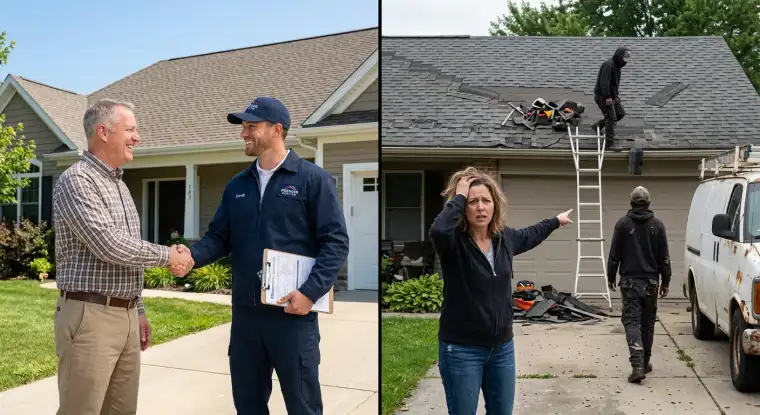
Your roof is your home's first defense. It can also be a target for scammers. Dishonest contractors often take advantage of homeowners. They target them, especially after storms. They promise quick fixes that lead to expensive problems.
Knowing how to identify red flags and ask the right questions can save you money and headaches. This guide will help you navigate roof repair with confidence.
Do not let a bad actor take advantage of you. Learn how to protect yourself and your home from roof repair scams.
Roof repairs are a major expense. This makes them a target for scams. Understanding the tactics of dishonest contractors is the first step in protecting yourself. This guide will give you the knowledge and tools you need. You can identify and avoid roof repair scams. This will keep your home safe and your finances secure.
Quick navigation
Common Roof Repair Scams
Roofing scams have many forms. The goal is always the same: to get money from homeowners. One of the most common scams involves storm chasing. Dishonest contractors go to an area after a storm. They offer “free inspections.” Then, they pressure homeowners into unnecessary repairs.
Another tactic is the “lowball” bid. These contractors offer low prices. They plan to cut corners or find extra “problems.” This increases the final cost. Be careful of contractors who demand large upfront payments. Also be careful of contractors who will not give detailed written estimates.
Some scammers use the “bait and switch” technique. They use good materials to get your business. Then, they switch to cheaper materials after the job starts. Always check the materials. Make sure they match what is in the contract.
Red Flags: Spotting a Dishonest Contractor
Identifying red flags is important to avoid roof repair scams. Does a contractor knock on your door uninvited, especially after a storm? This is a warning sign. Honest contractors have established businesses. They do not rely on unsolicited door-to-door sales.
Be careful of contractors who pressure you to sign a contract right away. Also, be careful of those who claim a “special deal” is only available for a short time. A good contractor will give you time to consider the estimate and check references. Beware of contractors who cannot provide proof of insurance or a business address. Without insurance, you could be liable for accidents or damages during the repair.
Check any estimate that is vague. It should include specific details about the work and materials. A detailed estimate shows honesty and quality. A lack of detail can hide hidden costs or poor workmanship.
How to Vet a Roofing Contractor
You must thoroughly vet a roofing contractor. Ask for references and follow up. Contact the references. Ask about their experience with the contractor. Ask about the quality of work, how quickly the project was done, and the crew’s professionalism.
Check online reviews on sites like the Better Business Bureau, Yelp, and Google Reviews. Negative reviews can be a red flag. Always verify that the contractor is licensed and insured in your state. This protects you if damage or injury occurs during the repair.
Get multiple estimates from different contractors before signing a contract. This will help you understand the fair market price. It will also help you identify high or low bids.
Insurance Claims and Roof Repairs: What You Need to Know
You may need to file an insurance claim if your roof has storm damage. Understand your policy and the claims process. Document the damage with photos and videos. Provide this evidence to your insurance company. Work with your insurance adjuster to assess the damage and determine the repairs.
Be careful of contractors who promise to handle your insurance claim. Especially, do not sign a contract before the claim is approved. You can choose your own contractor. It is best to work with someone you trust. Keep records of all communications with your insurance company and the contractor. Include dates, times, and what was discussed.
The Fine Print: Understanding Your Contract
Always read the contract carefully before signing. Make sure it includes a detailed description of the work, the materials, the total cost, and the payment schedule. The contract should specify the start and completion dates. Include a clause about what happens if the project is delayed or the work is not satisfactory.
Pay close attention to warranties. The contract should state the warranty terms. This includes what is covered, how long it lasts, and how to file a claim. Ask questions if you do not understand any part of the contract. A good contractor will clarify any issues and answer your questions.
What this means for you
Avoiding roof repair scams protects your home and finances. Take a proactive approach. Educate yourself about the tactics of dishonest contractors. You can make informed decisions. Avoid falling for these scams. A little research and effort can save you money and stress.
This information helps you be a smart consumer. You can spot red flags. You can vet contractors. You can negotiate contracts that protect you. With these insights, you can confidently address your roofing needs. Make sure your home is safe and secure.
Risks, trade-offs, and blind spots
One of the biggest risks is hiring an unqualified or dishonest contractor. This can cause poor work. It may cause leaks, structural damage, and more expensive repairs later. There is also the risk of paying for work that is not done. Dishonest contractors might disappear after taking your money. You will have a damaged roof and no options.
Consider the time and effort to research and vet contractors. It may seem like a hassle. But, the time investment can prevent financial losses. A blind spot for many homeowners is underestimating the importance of getting multiple estimates. It is hard to know if a bid is fair or inflated without comparing quotes.
Main points
- Be careful of door-to-door solicitations, especially after storms.
- Always check for proper licensing, insurance, and references.
- Get multiple estimates to compare prices and work.
- Read the contract carefully and understand all terms.
- Document all damage with photos and videos for insurance claims.
- Never pay a large upfront deposit.
- Verify the materials match the contract.
- Do not be pressured into signing a contract immediately.
Protecting yourself from roof repair scams starts with education and being careful. Follow these guidelines. You can protect your home and finances. Need a roofing solution? Consider exploring eco-friendly roofing options for a sustainable and durable choice, or get insights into roof replacement costs to make informed decisions. Also, consider the long-term benefits of eco-friendly roofing, ensuring a sound investment in your property’s future.