

This One Sign Means Your Roof is in Trouble
Identifying critical signs of roof damage and what to do next.
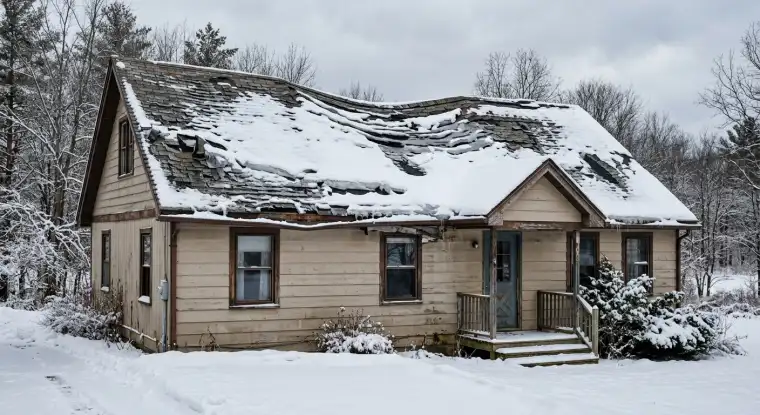
Is your roof trying to tell you something? Ignoring subtle signs of damage can lead to costly repairs and potential safety hazards.
Discover the one critical sign that should send you scrambling for a ladder and a phone, and learn how to navigate the often-complex world of roof insurance claims.
Don't wait until it's too late. This guide will help you understand the urgency and take the right steps to protect your home.
Your roof defends your home from the elements. It protects you from rain, wind, snow, and sun. It can also be vulnerable to damage. Recognizing the warning signs of roof problems is critical. This guide helps you identify a key indicator that your roof needs immediate attention. We also cover information about roof insurance claims and how to work with adjusters effectively.
Quick navigation
The One Sign: Missing or Damaged Shingles
The most important sign that your roof is in trouble is missing or significantly damaged shingles. This small detail can be a sign of a larger problem. It is essential to address it quickly. This is often the first, most visible sign that your roof has been damaged.
Shingles protect your roof from the elements. When they are missing or damaged, your roof's underlayment is exposed. This can lead to leaks, water damage, and structural problems. Address the issue quickly to minimize damage and repair costs. Have you checked your roof lately?
What Happens If You Ignore the Sign?
Ignoring missing or damaged shingles can lead to more problems. Initially, you might notice water stains on your ceilings or walls. This is a sign of a leak. If you do not address the leak, mold and mildew can grow. This can create health risks.
Water damage can also affect the structural integrity of your roof. The wood underneath the shingles can rot. This weakens the roof. It can lead to sagging, more leaks, and even collapse. Ignoring the issue could void your homeowner's insurance policy. You would have to pay for expensive repairs. Is it really worth the risk to delay?
What to Do When You See the Sign
If you see missing or damaged shingles, assess the situation. If you feel safe, inspect your roof from the ground. Use binoculars to get a better view. Take pictures of the damage. Note the location and extent of the issue. Consider having a professional inspect your roof. Get a detailed assessment of the damage.
Contact a roofing contractor for an inspection and repair estimate. Get multiple quotes to compare pricing and services. Contact your insurance company to report the damage. Provide photos, the date of the damage, and other information. Act quickly.
Preparing for Your Insurance Claim
Filing a roof insurance claim can be confusing. Gather all necessary documents. This includes your insurance policy, photos of the damage, and repair estimates. When you contact your insurance company, they will likely send an adjuster. Be ready to answer questions and provide access to your property.
When the adjuster arrives, be present and point out all damage. Ask the adjuster to explain their findings. Keep records of all communication with the insurance company. If you are not satisfied with the adjuster's assessment, you can appeal their decision or hire an independent adjuster. Would you be ready to handle the claim if it were to happen today?
What this means for you
Recognizing the critical sign of roof damage, like missing or damaged shingles, lets you take action and protect your home. Understanding the risks of delayed repairs and the insurance claim process helps you make informed decisions. Early action can save you money, prevent structural damage, and protect your home's value.
Risks, trade-offs, and blind spots
One of the biggest risks is delaying repairs. This can lead to more damage and higher costs. Ignoring the issue may void your insurance coverage. It can also cause health risks from mold and mildew. One of the trade-offs is the initial cost of inspections and repairs. This is often offset by preventing more costly problems. Some blind spots include not inspecting your roof regularly. Other blind spots are overlooking minor damage and not understanding your insurance policy's coverage. Consider these factors when making your plan.
Main points
- Missing or damaged shingles are a key sign of roof problems.
- Ignoring the issue can lead to water damage, mold growth, and structural issues.
- Assess the damage and contact a roofing contractor for repairs.
- Contact your insurance company and prepare for the claims process.
- Gather necessary documentation, including photos and repair estimates.
- Understand your policy and the adjuster's assessment.
- Regular roof inspections can prevent costly repairs.
- Acting quickly can save you money and protect your home.
Do not wait for a small problem to become a major issue. Inspect your roof regularly. Do not hesitate to address any issues promptly. For more information on eco-friendly roofing solutions, visit this comprehensive guide.