

Warning Signs and Red Flags: Protecting Your Roof and Home
A homeowner's guide to spotting roofing problems and avoiding costly mistakes.
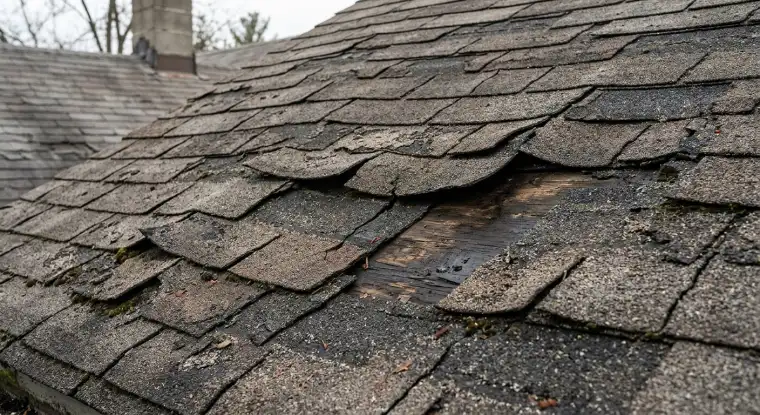
Your roof is your home's first line of defense, but it can be surprisingly vulnerable. Are you prepared to recognize the telltale signs of trouble?
From subtle leaks to major structural issues, knowing what to look for can save you thousands of dollars and countless headaches.
This guide will equip you with the knowledge to identify red flags and make informed decisions, protecting your investment and your peace of mind.
Your roof protects your home from the weather. It is a system that is critical to your home's structure and energy efficiency. It can wear down and get damaged. Homeowners must know the warning signs and red flags of roofing problems. Whether you have a small leak or need a full roof replacement, knowing these signs helps you make good decisions. You can prevent costly repairs and protect your investment. This guide helps you identify potential problems, understand industry standards, and manage roof maintenance and repair.
Quick navigation
Common Warning Signs of Roofing Problems
Finding roofing problems early can prevent damage and expensive repairs. Here are some common warning signs:
- Leaks and Water Stains: Water stains on your ceilings or walls mean you have a leak. Look for discoloration, blistering paint, or peeling wallpaper. Even a small leak can cause big problems over time.
- Missing, Cracked, or Curled Shingles: Damaged shingles often cause roof leaks. Check for any missing, cracked, curled, or buckling shingles. These are clear signs your roof has a problem.
- Granule Loss: Do you see granules in your gutters? This means your asphalt shingles are breaking down and losing their coating. Too much granule loss can make your roof age and fail quickly.
- Sagging Roof Deck: A sagging roof deck is a serious structural issue. This usually means the supports underneath are damaged, often by water.
- Algae and Moss Growth: Algae and moss growth is mainly an appearance issue. It can trap moisture and make shingles break down faster. This is especially true in shaded areas.
- Daylight Through the Roof: If you see daylight through your attic, your roof has a serious problem. There are holes or gaps in your roofing material.
- Ice Dams: Ice dams form when snow melts and refreezes at the eaves. This creates a barrier that stops water from draining properly. Water can then back up under your shingles and cause leaks.
Are you now more confident in your ability to spot potential problems before they get worse?
Understanding the 25% Rule in Roofing
The 25% rule is important in the roofing industry, especially with insurance claims. If more than 25% of your roof is damaged, the insurance company may make you replace the whole roof. They will not just repair the damaged areas. This rule keeps the roof's structure intact. Patching an old roof with new materials can affect its performance and lifespan.
This rule is especially important after bad weather, like hurricanes or hailstorms, which can cause widespread damage. Understanding this rule helps you with the claims process. It may affect what your insurance covers. For example, if a storm damages 30% of your roof, the insurance company will likely replace the entire roof. If the damage is less than 25%, they may only pay for repairs.
The application of this rule can vary based on your insurance policy and the damage. When thinking about eco-friendly roofing, it is even more critical to understand this rule. Explore how this can affect your long-term plans to select an eco-friendly roofing system.
Do you understand the 25% rule and how it affects your insurance claim?
What to Look for During a Home Inspection
A home inspection is important when buying a home. The roof is a key area of focus. A thorough inspection can find problems. This helps you make a good decision. Here is what you should look for:
- Shingle Condition: The inspector will check the shingles for damage, such as missing, cracked, curled, or blistering shingles. They will also check the age and condition of the shingles. This affects how long they will last.
- Flashing: Flashing seals where the roof meets other structures, like chimneys, vents, and walls. The inspector will check for corrosion, damage, or improper installation of the flashing.
- Gutter and Drainage System: The inspector will check the gutters and downspouts. They will make sure they are clear and direct water away from the foundation of the house.
- Attic Condition: The inspector will go into the attic to look for water damage, like stains, mold, and rot. They will also check for proper ventilation. Ventilation prevents moisture and helps your roof last longer.
- Overall Roof Structure: The inspector will check the roof's structure, including the decking, rafters, and beams. They will look for sagging or other structural issues.
Are you prepared to recognize the areas a home inspector will assess on your roof?
Identifying Substandard Roofing Work
Hiring a qualified roofing contractor is important for your roof's lifespan. How can you spot bad work? Here are some red flags:
- Poor Shingle Alignment: Shingles should be installed in straight, even rows. Misaligned shingles mean the installation is not done correctly. This can cause leaks.
- Improper Flashing Installation: Flashing should be installed correctly to seal around vents, chimneys, and other roof parts. Improper flashing can cause leaks.
- Inadequate Ventilation: Proper ventilation is critical to prevent moisture and make your roof last longer. If the contractor does not address ventilation issues, it is a red flag.
- Use of Low-Quality Materials: Using bad materials can hurt your roof's durability. Make sure your contractor uses good shingles, underlayment, and other parts.
- Lack of Proper Permits: A good contractor will get the necessary permits. If they do not, you could face fines. You could also have problems if you sell your home later.
- Unprofessional Conduct: A contractor who is unprofessional, does not respond, or will not answer your questions is a red flag.
Are you aware of the warning signs that indicate a contractor is providing substandard work?
The Importance of Regular Roof Maintenance
Regular roof maintenance protects your investment and prevents costly repairs. A good maintenance plan can extend your roof's life and ensure it works correctly. Here is what a good maintenance plan should include:
- Regular Inspections: Have your roof inspected at least twice a year, ideally in the spring and fall. This helps you find problems before they get worse.
- Gutter Cleaning: Clean your gutters regularly. This prevents clogs that can cause water damage to your roof.
- Debris Removal: Remove leaves, branches, and other materials from your roof. This stops them from trapping moisture and breaking down shingles.
- Trimming Overhanging Trees: Trim trees that hang over your roof. This prevents branches from damaging the shingles and causing other issues.
- Addressing Small Problems Promptly: Repair small issues, like loose shingles or small leaks, as soon as you find them.
Are you ready to create a maintenance schedule to help you protect your home?
What this means for you
Knowing the warning signs and red flags of roofing problems can help your finances and peace of mind. By finding problems early, you can prevent damage and avoid costly repairs. This knowledge helps you choose a roofing contractor, handle insurance claims, and keep your roof healthy. Knowing the cost of roof replacements and following inspection advice can protect your investment.
By staying informed, alert, and taking action, you can protect your property and keep your home safe for years.
Risks, trade-offs, and blind spots
There are risks, trade-offs, and potential blind spots to be aware of when identifying roofing problems.
Risks:
- Missed Issues: You can miss problems, even with regular inspections.
- Severe Weather: No roof is completely protected from severe weather.
Trade-offs:
- Cost vs. Benefit: Higher-quality materials can be more expensive, but they can provide more value over time.
- DIY vs. Professional: You can do some maintenance tasks yourself. Others need professional help.
Blind Spots:
- Hidden Damage: Some damage, like issues under the shingles, can be hard to see.
- Contractor Deception: Dishonest contractors may try to take advantage of homeowners.
Now that you are aware of potential risks, are you ready to act?
Main points
Protecting your roof and home requires action. Here is a summary of the key takeaways:
- Check your roof regularly for damage, like missing shingles, leaks, or water stains.
- Understand the 25% rule and how it affects your insurance claim.
- Hire a qualified roofing contractor who uses good materials and installs them correctly.
- Do regular maintenance, like cleaning gutters and removing debris.
- Be aware of risks, trade-offs, and blind spots. Take steps to reduce them.
- A good roof protects your home from the weather.
- Proper roofing inspection is critical.
By staying informed, alert, and taking action, you can protect your roof, your home, and your money. Need help? Contact a qualified roofing professional for a thorough inspection and advice.