

What Causes Roof Mold and How to Get Rid of It
A comprehensive guide to identifying, preventing, and eliminating roof mold.
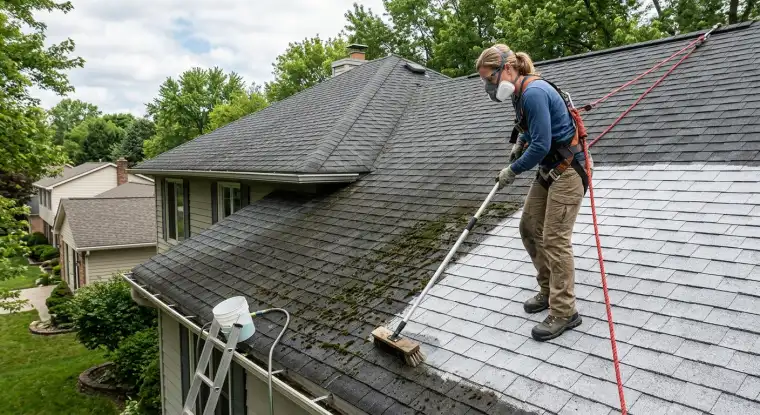
Do you see black or green patches on your roof? It could be more than a cosmetic issue. Roof mold can damage your home and harm your health.
Understanding what causes roof mold is the first step in protecting your property. This guide shows you everything you need to know, from identification to effective removal.
Do not let roof mold harm your home or family. Learn how to identify, prevent, and remove it. Ensure a safe and healthy living space.
Roof mold is a common problem for homeowners. It is not just an appearance issue. It can cause damage, health problems, and expensive repairs. Understanding the causes, identifying the signs, and knowing how to address it are important to protect your home and health. This guide explores the causes of roof mold, how to identify it, the risks, and methods for prevention and removal. Let's learn how to keep your roof mold-free.
Quick navigation
What Causes Roof Mold?
Roof mold grows in specific conditions. Knowing these factors is key to prevent its growth. The main causes of roof mold include:
- Moisture: This is the most important factor. Mold needs moisture to grow. This can come from rain, snow, humidity, or condensation. Areas of your roof that are shaded and do not dry quickly are especially at risk.
- Organic Materials: Mold feeds on organic materials. Roofs with organic materials like wood, asphalt shingles with organic parts, or any debris such as leaves and branches provide food for mold.
- Poor Ventilation: Proper ventilation helps control temperature and humidity levels in your attic. Poor ventilation can lead to moisture buildup, which encourages mold growth.
- Shade: Roofs shaded by trees or buildings get less sunlight, which slows mold growth. Shaded areas stay damp longer, creating an ideal environment for mold.
These conditions often combine to create a perfect breeding ground for mold. Regular roof inspections and maintenance are essential to reduce these risks. Knowing the causes allows you to take action to protect your roof.
How to Identify Roof Mold
Identifying roof mold early is crucial to prevent damage. How do you spot it? Here is what to look for:
- Visual Inspection: The most obvious sign is dark stains. These often appear as black, brown, or green patches. These stains usually start small and can spread over time.
- Location: Mold often appears on the north-facing sides of roofs. These sides get less sunlight and stay damp longer. Also, check areas under trees or where debris gathers.
- Interior Signs: Mold can also cause problems inside the house. Water stains or discoloration on ceilings and walls, especially near the roof, are signs of a leak or moisture.
- Musty Odor: A constant, musty smell inside your home, even if you do not see mold, could mean mold is growing in the attic or roof.
Can you now recognize these warning signs? Early detection can save you from costly repairs and health hazards.
What this means for you
Roof mold causes several problems. Ignoring it can have serious results. Potential results of roof mold include:
- Structural Damage: Mold can slowly damage roofing materials like shingles, wood, and underlayment. This leads to leaks, rot, and instability.
- Health Hazards: Exposure to mold can trigger allergic reactions, breathing problems, and other health issues. Mold spores in the air can affect anyone in your home.
- Reduced Home Value: Mold can lower your home's value. Buyers often see mold as a major problem. This can lead to lower offers.
- Increased Costs: Fixing mold issues often involves expensive repairs. This includes roof replacement, removal services, and possible health treatments.
Knowing these results shows the importance of dealing with mold problems quickly. It is not just about looks. It is about protecting your home and health.
Risks, trade-offs, and blind spots
Dealing with roof mold means considering risks, trade-offs, and potential blind spots. Some key things to consider include:
- Health Risks: Exposure to mold spores can cause health issues. These range from minor allergies to severe breathing problems. The risks vary based on the type of mold and how sensitive you are.
- Cost of Remediation: The cost of professional mold removal can be high. This is especially true if the mold has spread. The cost depends on the size of the area and the severity of the problem.
- DIY vs. Professional Removal: Some mold removal can be done by homeowners. Extensive problems often need professional help. DIY attempts might not fix the problem and can expose you to harmful spores.
- Long-Term Prevention: How well mold prevention strategies work can vary. Regular maintenance and addressing issues like poor ventilation are important for long-term protection.
Are you aware of the possible hidden problems? Knowing these challenges helps you make informed decisions when dealing with roof mold.
Preventing Roof Mold
Preventing roof mold is easier and less expensive than dealing with a large infestation. Use these strategies to reduce the risk:
- Regular Inspections: Inspect your roof at least twice a year and after any major weather events. Look for signs of mold, damage, or debris.
- Roof Cleaning: Clean your roof regularly to remove debris like leaves, branches, and other organic matter. This helps prevent moisture and makes the area less inviting for mold.
- Proper Ventilation: Ensure your attic has enough ventilation. You can do this with ridge vents, soffit vents, and other systems. Proper ventilation reduces moisture buildup.
- Trim Overhanging Trees: Trim trees that hang over your roof to reduce shade and debris. This also increases sunlight, which can slow mold growth.
- Use Mold-Resistant Materials: When replacing your roof, consider materials that are less likely to grow mold. Examples include treated shingles or metal roofing. See eco-friendly roofing options for more ideas.
By using these measures, you can reduce the chance of roof mold and extend your roof's life.
Removing Roof Mold
If you find mold on your roof, act quickly. Here is a step-by-step guide to removing roof mold:
- Safety First: Always wear safety gear. This includes a mask, gloves, and eye protection. This prevents exposure to mold spores. Work on a dry day and be careful when working at heights.
- Assessment: Determine how much mold there is. Find any causes, like leaks or poor ventilation, that need fixing.
- Cleaning Methods: For small areas, use a solution of water and bleach or a special roof cleaning product. Apply the solution and scrub gently with a soft brush. Rinse with water.
- Professional Help: If the mold is widespread or you are uncomfortable with the process, hire a professional mold removal company. They have the skills and equipment to remove the mold safely.
- Post-Treatment: After removing the mold, check your roof for any signs of mold. Fix any underlying issues, such as poor drainage or ventilation.
Do you know what to do? Proper removal makes sure the mold does not return and protects your home.
Main points
- Roof mold is caused by moisture, organic materials, poor ventilation, and shade.
- Identify roof mold by looking for dark stains, musty odors, and signs of water damage inside.
- Roof mold can cause damage, health hazards, reduce home value, and increase costs.
- Prevent roof mold with inspections, cleaning, ventilation, and tree trimming.
- Remove roof mold by using a bleach solution or special cleaners, or by hiring a professional.
- Always use safety gear when working on your roof.
- Ensure proper ventilation to reduce moisture and prevent mold.
- Consider using mold-resistant roofing materials when replacing your roof.
Handling roof mold effectively means understanding its causes, recognizing the signs, and using prevention and removal methods. By following this guide, you can protect your home, health, and investment. Take action today to keep your roof mold-free.