

What Materials Are Best for a Long-Lasting Roof?
Choosing the right roofing material can save you money and headaches down the road.
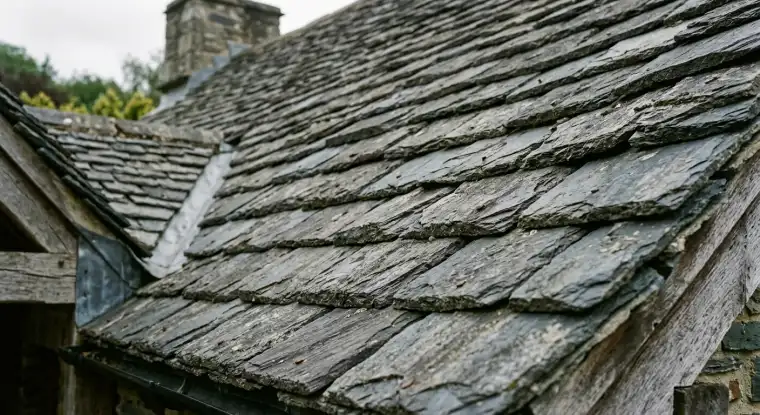
Your roof is your home's first line of defense against the elements, but choosing the wrong material can lead to costly repairs and premature replacement.
The lifespan of a roof depends greatly on the material it's made of and the conditions it faces.
From the classic durability of slate to the modern appeal of metal, the best roofing material for you depends on a number of factors.
Protecting your home and making it last requires the right roofing material. Many options exist. Knowing the pros and cons of each is key. This guide explores the most durable roofing materials. It helps you make a good choice for your property. We will look at what affects a roof's lifespan. We will also look at what makes certain materials stand out.
Quick navigation
Understanding Roof Lifespan
A roof's lifespan matters to every homeowner. What makes a roof last? Several things affect how long a roof lasts. Knowing these helps you pick the right material. What are the main things that decide how long a roof lasts?
The material itself is the first thing. Different materials have qualities that affect how they stand up to wear. Some materials resist weather, UV light, and temperature changes. The material's quality also matters. Better materials usually work better and last longer.
Climate and environment are also important. A roof in a place with extreme weather may not last as long. This includes places with heat, snow, or storms. Sunlight, moisture, and pollution can also damage roofing materials. Proper installation is another key. A roof installed badly, no matter the material, can leak. It can also have structural problems and fail early. Hire experienced, qualified professionals to install and maintain your roof.
Regular upkeep is also important. This includes inspections, cleaning, and timely repairs. Fixing small problems early prevents them from becoming big ones. The roof's design also matters. Things like slope, ventilation, and drainage affect how the roof works. Good design makes sure water and debris drain well, which reduces damage.
Slate Roofing
Slate is often one of the most durable roofing materials. It is known for its beauty and how well it performs. It is a top choice for many homeowners. What makes slate special?
Slate is a natural stone that resists the elements. It is waterproof, fire-resistant, and can handle extreme temperatures and UV light. Slate roofs can last over 100 years. This makes them a good investment. This long life is a big draw for homeowners. Slate also looks good. It comes in many colors and textures. This gives a classic look that improves any property. Slate is also good for the environment. It is a natural material that can be recycled.
Slate has downsides, too. It is one of the most expensive roofing materials. This is because of the cost of the material and the special installation needed. Slate is heavy. The roof structure must be able to hold its weight. Slate can be brittle and crack if not handled or installed correctly. Finding skilled installers can be hard, as it takes special knowledge. Slate's beauty is clear, but it may not fit every budget. It has a high upfront cost, but its long life often makes it worth the investment.
Clay and Concrete Tile Roofing
Clay and concrete tiles are popular roofing options. They offer looks, durability, and a good price. What makes these materials different?
Clay tiles are made from natural clay. They are known for their classic look and how well they last. They are fire-resistant and can handle bad weather. This includes strong winds and heavy rain. Clay tiles last 50 to 100 years. This makes them a long-term investment. They also help keep the home at a steady temperature. Concrete tiles are made from cement, sand, and water. They are a cheaper choice than clay tiles. They offer similar benefits in terms of how well they last, fire resistance, and weather protection. Concrete tiles come in many colors and styles. They can look like slate or wood.
Both clay and concrete tiles have downsides. They are heavier than asphalt shingles. This means a strong roof structure is needed. Installation can be harder and more expensive. Clay tiles can be brittle and crack if not handled or installed correctly. Concrete tiles can soak up water. This can lead to damage in cold climates. The best choice depends on your budget and what your property needs. Consider the climate, what you like the look of, and your budget when deciding.
Metal Roofing
Metal roofing is becoming popular because it lasts, works well, and looks modern. Metal roofs come in different forms. These include steel, aluminum, copper, and zinc. Why is metal becoming a good choice?
Metal roofs often last 40 to 70 years, or longer with care. They resist fire, wind, and damage. Metal roofing saves energy. It reflects sunlight and reduces heat, which can lower cooling costs. Many styles and colors are available. This lets homeowners get different looks, from traditional to modern. Metal roofs are also light. This makes them easier to install than some other materials. They are a sustainable choice. Many metal roofs are made from recycled materials and can be recycled again.
Metal roofing has a few downsides. It can be more expensive than asphalt shingles at first. But the long-term benefits often make up for this. Metal roofs can be noisy during rain or hail. Insulation can help with this. Some metals can corrode in certain climates. Protective coatings can fix this. Installing metal roofing requires special skills. Hire a qualified professional. Metal roofing is a good choice if you want something that lasts, saves energy, and looks modern.
Asphalt Shingle Roofing
Asphalt shingles are the most common roofing material in North America. They are popular because they are cheap and easy to install. But, are they the best choice?
Asphalt shingles are not expensive. This makes them a choice for many homeowners. They come in many styles and colors. This gives you choices in design. Installation is usually easy. They can be installed on most roof types. Asphalt shingles offer good protection. They are easy to get if you need repairs. They come in different grades, including architectural shingles. These offer better looks and how well they last. The main downside of asphalt shingles is how long they last. They usually last 15 to 30 years. They are more likely to be damaged by wind, hail, and extreme temperatures than other materials. They also need more upkeep and replacement. Asphalt shingles are not as good for the environment. They are not easily recycled.
Asphalt shingles are a cheap and easy choice. But their shorter life and impact on the environment may not make them the best choice for every homeowner. The decision to use asphalt shingles should be based on your budget, the weather, and how long you want the roof to last.
Wood Shake and Shingle Roofing
Wood shake and shingle roofing have a unique look. They make a home look warm and full of character. What should you know about this roofing material?
Wood shake and shingles give a natural, rustic look that many homeowners like. They offer good insulation. They can handle moderate weather conditions. They also resist impact and can be treated to be fire-resistant. Wood shake and shingles last 20 to 40 years. This depends on the wood type, climate, and upkeep. They need regular upkeep. This includes cleaning, treating, and inspections. They are likely to rot, get insect infestations, and catch fire. This is especially true in places with high humidity or wildfires. Wood shake and shingles are also expensive. Installation can be harder than other materials. Wood shake and shingles offer an attractive roofing option. It is important to consider the upkeep, fire risk, and costs before you decide.
What this means for you
Choosing the right roofing material is important. It affects how your home looks and how much it is worth. The material you pick decides how often you will replace your roof and how much upkeep is needed. How can you use this information when planning your next roofing project?
Think about your budget, climate, and what you like the look of. If budget is key, asphalt shingles may work. But be ready to replace them more often. If you want something that lasts and are willing to spend more, slate or metal roofing could be a better investment. Climate is another key thing. In places with extreme weather, choose materials that resist wind, hail, and UV light. Think about your home's style and the look you want. Do you like a classic look or something more modern? Research different roofing materials. Look at their pros and cons. Compare costs. Read what other homeowners say. Talk to roofing contractors to discuss your options. A good decision helps you pick a roofing material that meets your needs.
Risks, trade-offs, and blind spots
Each roofing material has its own risks, trade-offs, and potential problems. Knowing these is key to making a good decision. What problems should you know about?
The main risk with asphalt shingles is their shorter life. They may need to be replaced every 15 to 30 years. This leads to costs and problems. They can be damaged by wind, hail, and temperature changes. Slate is very durable, but it has risks. The cost of the material and installation is high. Finding experienced installers can be hard. The weight of slate needs a strong roof. Cracks and damage can be hard to fix. Clay and concrete tiles can be brittle and crack. They are also heavy. Installation is complex. Metal roofs can corrode in certain climates if not coated properly. Rain or hail can make noise. Wood shake and shingles have a fire risk. They can rot and get insect infestations. They need regular upkeep. Wood shake and shingles are also expensive to maintain. Considering these risks and trade-offs helps you avoid problems and make your roofing project a success.
Main points
Choosing the right roof is about more than looks. It's about protecting your home and making it last. Many materials are on the market. It's easy to feel overwhelmed. Here are the main things to remember:
- Think about how long each material lasts: Slate and metal roofs often last the longest. Asphalt shingles have a shorter life.
- Think about your climate: Choose materials that can handle your local weather, like wind, snow, or sun.
- Think about your budget: Some materials, like asphalt shingles, are cheaper. Others, like slate, cost more upfront.
- Think about upkeep: Some materials, like wood shake, need more upkeep.
- Think about looks: Pick a material that matches your home's style and what you like.
- Think about the environment: Some materials are more sustainable and recyclable.
- Talk to professionals: Get advice from roofing contractors. Discuss your options and make sure the installation is done right.
- Make a good decision: Research all your options. Weigh the pros and cons of each material before you decide.
By thinking about these things and doing your research, you can pick the perfect roofing material. It will protect your home and last a long time.