

Sustainable and Eco-Friendly Roofing: A Comprehensive Guide to Greener Homes
Investing in the future of your home through responsible, high-performance, and environmentally conscious roofing solutions.
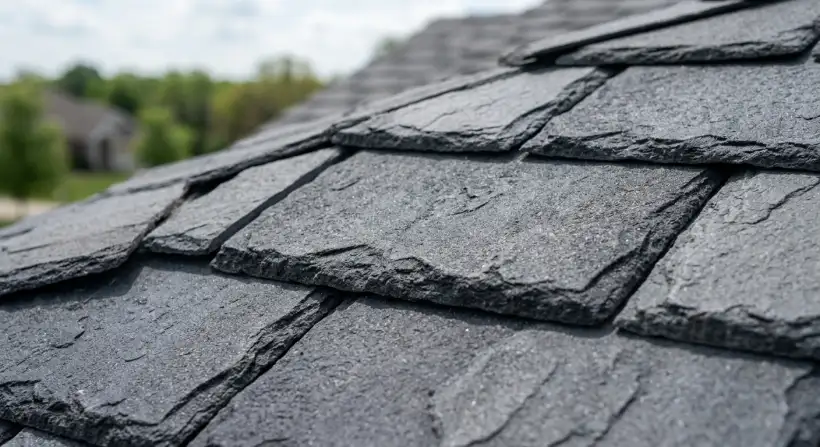
Your roof does more than just shield your family from the elements; it is the most significant surface of your home influencing its carbon footprint.
Choosing the right materials today can drastically reduce your long-term energy consumption while adding genuine value to your property.
Transitioning to sustainable and eco friendly roofing is not merely a trend but a strategic move toward resilience and environmental stewardship.
The construction industry is shifting toward sustainability. Your roof is a primary candidate for positive change. When planning a renovation or new build, selecting the right materials serves as a cornerstone for energy efficiency and environmental responsibility. Sustainable roof materials are designed to last longer. They reduce waste in landfills. They often provide superior thermal regulation compared to traditional options.
Understanding modern roofing is vital for homeowners. Aesthetic appeal remains important. The intersection of durability, thermal performance, and eco-friendliness defines the modern standard. Evaluating the lifecycle of your roof ensures that your investment pays dividends for decades. It protects your home for more than just a few years.
Quick navigation
The rise of sustainable roofing
In recent years, the urgency to lower residential energy consumption has pushed sustainable roofing to the forefront of architectural design. Traditional asphalt shingles, while cost-effective upfront, often end up as massive amounts of landfill waste every 15 to 20 years. Sustainable alternatives are frequently manufactured from recycled materials. They are harvested in ways that minimize ecological disruption.
Why is there such a massive shift toward these systems now? It is partly due to better technology in solar integration and cool-roof reflective coatings. It is also because modern homeowners are increasingly conscious of their total environmental impact. Whether you are interested in domestic roof construction standards or simply looking to replace an aging system, the market now offers solutions. These solutions balance durability with the planet's health.
Top eco-friendly material options
Selecting the right material involves balancing your local climate needs with environmental goals. Each option presents unique advantages:
- Metal Roofing: Often made from high percentages of recycled steel or aluminum. Metal roofs are incredibly durable. They last 50 years or more. They are fully recyclable at the end of their life.
- Recycled Shingles: These are manufactured from post-consumer rubber and plastic. They mimic the look of traditional slate or wood shakes. They provide exceptional resistance to rot and fire.
- Clay and Concrete Tiles: These materials are abundant and durable. They are naturally cool. Their high thermal mass helps stabilize indoor temperatures. They are quite heavy and require structural reinforcement.
- Green Roofs: By covering your roof with vegetation, you can significantly reduce the heat island effect. They improve air quality. They provide superior insulation for your entire building structure.
How do these materials hold up against the extreme weather patterns we see today? Most of these options are engineered for high resistance to wind, fire, and moisture. This ensures that the environmental benefits are not achieved at the cost of structural security.
What this means for you
Adopting sustainable roofing directly impacts your wallet and your comfort level. For the average homeowner, the primary benefit is energy efficiency. By using reflective materials or high-performance insulation systems, your HVAC system works significantly less to maintain a comfortable temperature inside the home.
Furthermore, when you look at factors that increase roof prices, you will notice that longevity is a huge factor. An eco-friendly metal or tile roof may have a higher initial price tag than basic asphalt. The cost-per-year over the life of the product is often significantly lower. This investment reduces maintenance frequency. It minimizes the need for premature total replacements. This is a major long-term win for your budget.
Comparing lifecycle and energy performance
A true assessment of sustainability requires looking beyond the material itself. Consider the entire lifecycle. This includes the energy consumed during manufacturing. It includes the carbon footprint of transport. It includes the ease of recycling once the material eventually reaches the end of its useful life.
For instance, some solar-integrated roofing tiles can offset their production energy cost within just a few years of operation. When you are comparing your options, think about the total energy profile of the home. Can your roof serve as a power generation unit as well as a protective shell? Innovations in this space are changing how we perceive the function of a residential roof entirely.
Risks, trade-offs, and blind spots
No roofing material is perfect. Choosing sustainability often comes with its own set of challenges. One of the most common oversights is the weight of the material. Materials like concrete tile or soil-based green roofs place significantly more load on your rafters than asphalt. Before committing, you must have a structural engineer confirm that your home's skeleton can support the new, heavier load.
Another common issue is professional installation. If you choose an advanced system, such as a living roof or a specialized metal seam, you cannot hire a general handyman to handle the job. The expertise required for these systems is specialized. Improper installation can lead to leaks, mold, and voided warranties. Is it worth paying a premium for specialized labor? In the world of sustainable building, the answer is almost always yes. The cost of fixing a failed green roof or improperly installed metal system far outweighs the initial savings of a bargain-rate contractor. Always research the best practices as discussed in professional roofing installation guides to protect your investment.
Main points
Sustainable roofing is a major commitment that requires careful planning. The long-term benefits to your home's efficiency and the environment are unmatched. Here are the core takeaways to guide your decision-making process:
- Prioritize materials with high recycled content like steel, aluminum, or composite rubber.
- Understand the structural requirements of heavy materials like clay, concrete, or green roof systems.
- Focus on lifecycle costs rather than just the initial installation price to get an accurate view of value.
- Incorporate energy-efficient features like cool-roof coatings or integrated solar technology.
- Ensure you hire specialized professionals who understand the specific needs of eco-friendly materials.
- Regular maintenance remains essential, even for long-lasting materials, to prevent minor issues from becoming structural liabilities.
Start your transition to a greener home today by consulting with a certified sustainable roofing contractor to evaluate your property's specific needs. Your choice today will contribute to a more resilient and energy-efficient future for your family.