
What Are Common Roofing Problems? A Comprehensive Guide
Understand the most frequent issues, from leaks to structural damage, and how to address them.
Your roof is your home's first defense against the elements. It is also prone to wear and tear. Are you ready to spot trouble before a small issue becomes a big problem?
Leaks into your living room and structural issues that affect your home's structure are common roofing problems. These can be costly and stressful. But you can stay ahead with the right information.
This guide covers the most frequent roofing problems, their causes, and how to fix them. It makes sure your roof stays a reliable protector for years.
A sound roof protects your home and those who live in it. Like other parts of a house, roofs have problems. Understanding these common roofing problems can help you find issues early. This can save you money and stop major damage. This guide shows you the most frequent problems homeowners face. It covers causes and possible solutions.
Quick navigation
Common Causes of Roofing Problems
Roofing problems often come from different things. Knowing these causes is key to preventing and fixing issues. Here are the most common causes:
Weather Conditions: Bad weather, like heavy rain, strong winds, hail, and extreme temperatures, can affect your roof. High winds can lift or tear off shingles. Hail can cause dents and cracks. Temperature changes can make materials expand and contract, causing stress and damage.
Poor Installation: One common cause of roofing problems is bad installation. This includes putting shingles on wrong, not sealing around chimneys and vents, and using the wrong materials. Bad installation often causes leaks and early roof failure. Regular inspections are vital to catch errors early.
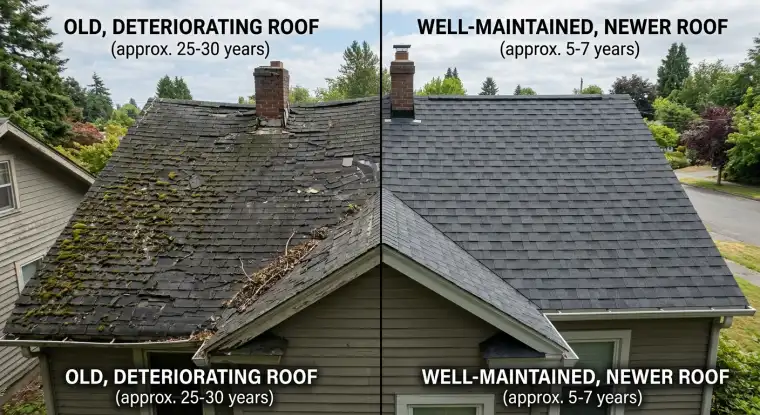
Material Deterioration: Roofing materials wear down over time because of the weather. How long your roof lasts depends on the materials. But all roofs will need to be replaced. For example, asphalt shingles usually last 15-20 years. Metal roofs can last 50 years or more. Learn more about different roofing materials.
Lack of Maintenance: Not doing regular maintenance can make problems worse. It can lead to bigger issues. Regular inspections, cleaning gutters, and fixing small problems quickly can make your roof last longer. If you don't do these things, small problems can grow and cause costly damage.
Leaks and Water Damage
Leaks are a major roofing problem. They can cause a lot of damage inside and create health risks. Leaks have several causes:
Causes:
- Damaged Shingles: Missing, cracked, or curled shingles can let water in.
- Problems with Flashing: Flashing is used around chimneys, vents, and skylights. If it's damaged or installed wrong, it can leak.
- Clogged Gutters: Clogged gutters can cause water to back up and seep under shingles, causing leaks.
- Ice Dams: In cold areas, ice dams can form along the roof's edges. They trap water and cause it to seep under the shingles.
Signs of Water Damage:
- Water stains on ceilings and walls.
- Dripping water in the attic.
- Mold and mildew growth.
- Peeling paint or wallpaper.
Shingle Issues: Curling, Cracking, and Missing
Shingles are an important part of your roof. Problems with them are common. These issues can stop the roof from protecting your home. What should you look for?
Curling: Shingles can curl because of age, heat, or bad installation. Curling shingles create gaps that let water in. This shows aging, and means the roof may need to be replaced soon.
Cracking: Cracking can be caused by shingles drying out, extreme temperatures, or hail. Cracks stop the shingle from shedding water. Small cracks will worsen over time.
Missing Shingles: High winds, hail, or age can cause shingles to detach. Missing shingles leave the underlayment exposed. This leads to leaks and possible damage to the roof deck. Replace missing shingles as soon as you see them.
Problems with Flashing
Flashing is a key part of a roofing system. It prevents water from entering where the roof meets other structures. Common problems include:
Damage: Flashing can be damaged by age, weather, or bad installation. Damaged flashing can't seal out water, leading to leaks.
Improper Installation: If flashing is installed wrong, it can have gaps that let water in. This can happen around chimneys, vents, skylights, and other roof parts.
Corrosion: In areas with high humidity or exposure to chemicals, flashing can corrode. This weakens the material and hurts its ability to protect the roof.
Regular inspection and maintenance of flashing are important to ensure it works. If you find problems, fix them immediately.
Gutter and Drainage Issues
A good drainage system protects your roof and home from water damage. Problems with gutters and drainage can cause major issues. Do you know the important signs?
Clogged Gutters: Leaves, debris, and other things can clog gutters. This stops water from flowing freely. The water can back up and overflow, damaging the roof, siding, and foundation. Clean your gutters regularly.
Damage to Gutters: Gutters can be damaged by age, weather, or falling debris. Dented, sagging, or detached gutters can't direct water away from the house. Inspect them regularly.
Improper Drainage: Gutters must direct water away from the foundation. If the downspouts are not placed correctly or are blocked, water can gather around the foundation. This leads to water damage and possible structural issues.
Structural Damage and Sagging Roofs
Structural damage is one of the most serious roofing problems. It can damage your entire home. Here's what to watch for.
Causes:
- Water Damage: Leaks can cause the roof deck and supporting structure to rot. This leads to sagging and weakness.
- Excessive Weight: Too much snow or ice can put too much weight on the roof. This causes it to sag or collapse.
- Poor Construction: Weak or bad structural support can lead to sagging or collapse.
Signs of Structural Damage:
- Sagging areas on the roof.
- Cracks in interior walls and ceilings.
- Bowing or separation of roof components.
What this means for you
Knowing about and fixing common roofing problems is vital. It protects your investment, your home, and your family's safety. Doing regular maintenance and inspections can save you money. Fixing issues quickly, like a small leak or damaged shingles, stops them from becoming big and costly repairs.
Knowing the early warning signs, like water stains, missing shingles, or clogged gutters, lets you act fast. This helps your roof last longer and keeps your home strong. Also, work with qualified professionals for repairs. Bad work can make problems worse.
By staying informed and being careful, you can keep your roof working well. It will protect your home and family for many years. Regular maintenance and professional inspections are key to a long-lasting and effective roof.
Risks, trade-offs, and blind spots
When dealing with roofing problems, think about the risks, trade-offs, and hidden issues that might come up.
Risks: Ignoring roofing problems can cause more damage. This includes structural issues and water damage inside, which can be expensive to fix. Mold growth can also create health risks.
Trade-offs: Fixing a roof quickly is often best. The cost and time can be significant. Deciding between a small repair and a complete replacement depends on the damage and the roof's age.
Blind spots: Some roofing problems, like issues with flashing or hidden structural damage, may not be seen right away. Regular inspections can help find these hidden problems. Consider the weather. Some repairs are limited by temperature. For example, some roofing materials can't be installed in freezing conditions. Learn about factors that affect roof prices.
Main points
Knowing about and fixing roofing problems is important for protecting your home. Here are the main points:
- Identify Early Warning Signs: Check your roof regularly for leaks, missing shingles, and other damage.
- Regular Maintenance: Clean gutters, trim branches, and fix small problems quickly.
- Proper Installation: Make sure your roof is installed correctly by a professional.
- Understand Material Lifespans: Know how long your roofing materials should last. Plan for future replacements.
- Inspect Flashing: Check flashing around chimneys, vents, and skylights for damage or corrosion.
- Address Drainage Issues: Make sure gutters and downspouts are clear and move water away from your foundation.
- Professional Inspections: Consider professional inspections, especially after bad weather.
- Prioritize Safety: When working on your roof, always be safe and use protective gear.
By staying informed and taking action, you can keep your roof in good shape. It will protect your home and family. If you're unsure about your roof, ask a qualified roofing professional. They can give you an accurate assessment and suggest the best solutions.