

Why Fiberglass Doors Are Beating Steel in 2026: The Ultimate Entryway Showdown
Choosing the right front door for your home used to be a straightforward decision between classic wood or tough steel. However, as we move through 2026, a massive shift is occurring in the residential building and renovation landscape. Homeowners are increasingly turning away from traditional materials and embracing advanced composites. Entryways are no longer just functional barriers; they are key players in home efficiency, smart security, and overall aesthetic value. Among all the available options, fiberglass is rapidly emerging as the undisputed champion of modern entryways.
Steel doors have held a dominant position in the market for decades, praised primarily for their raw strength and initial affordability. But today's homeowners demand more than just cheap, industrial-looking security. They require structures that withstand intense weather fluctuations, provide high levels of thermal insulation, and maintain pristine beauty with almost zero maintenance. This is where the older, metal-centric options begin to falter. In the following sections, we will explore the deep architectural and materials science reasons why fiberglass is leaving steel behind in 2026.
The Evolution of Entryway Technology
Understanding the science behind these materials is crucial to recognizing why this shift is permanent. Modern fiberglass is engineered as a fiber-reinforced polymer, combining glass fibers with structural resins. Historically, early versions of fiberglass composites were relatively basic, but 2026-era manufacturing utilizes high-pressure compression molding. This process allows manufacturers to replicate the intricate, organic textures of premium woods down to the microscopic level. In contrast, steel remains a cold, rigid sheet of metal that relies heavily on synthetic paint layers to hide its plain, industrial nature.
Innovation in composite engineering has enabled premium brands to introduce advanced structural stiles and rails made of water-resistant composite materials. These internal frames completely encase the door's core, ensuring that moisture never penetrates the inner layers. Steel doors simply cannot compete with this level of elemental isolation. If a steel door experiences even a tiny scratch in its paint, moisture immediately contacts the raw metal underneath, starting an inevitable chain reaction of rust and structural degradation.
Unmatched Energy Efficiency and Insulation
Energy efficiency is no longer an afterthought—it is a financial necessity for 2026 households facing unpredictable utility rates. Modern fiberglass doors feature a fully insulated, high-density polyurethane core that acts as an exceptional thermal barrier. This core drastically minimizes heat transfer, keeping your home warm in the winter and cool in the summer. Because fiberglass does not expand or contract significantly during seasonal temperature swings, it maintains a perfect, airtight seal with the weatherstripping. This stable fit significantly reduces drafts and unwanted air infiltration.
Comparing fiberglass to metal reveals a stark contrast in natural thermodynamic behavior. Steel is a highly conductive material, meaning it easily transfers cold or heat from the outside directly into your foyer. While modern steel doors use thermal breaks and foam cores to mitigate this issue, the outer metal skin still gets extremely hot in direct sunlight and freezing to the touch during winter. This thermal conductivity forces your HVAC system to work much harder, driving up utility bills. Investing in a high-efficiency fiberglass unit provides superior thermal insulation, keeping your energy expenses down.
Long-Term Durability vs. Steel's Vulnerabilities
Durability is the area where fiberglass truly shines in everyday residential life. Think about how active a typical home entryway is—kids, pets, moving furniture, and heavy grocery bags constantly pass through. Steel doors are notoriously susceptible to denting; even a minor impact from a stray bicycle or a kicked ball can leave a permanent, unsightly depression that is incredibly difficult to repair seamlessly. Fiberglass, on the other hand, possesses immense impact resistance. Its outer compression-molded skin behaves like an elastic shield, absorbing high-energy impacts and bouncing back to its original shape without leaving a mark.
Weather hazards present another massive challenge for metal entryways, particularly in humid, coastal, or high-precipitation regions. Steel is highly prone to corrosion and rust if its protective coating is compromised by minor scratches or salt air. Once rust takes hold inside the metal frame, the structural integrity of the door is permanently damaged, often requiring a complete replacement. Fiberglass is completely immune to rust, rot, warping, and insect damage. It maintains its exact dimensional stability through heavy rain, intense snow, and scorching summer sun without ever swelling or binding in its frame.

Aesthetics, Real Wood Grain, and Customization
Aesthetics play a pivotal role in boosting your home's curb appeal and long-term resale value. One of the most common complaints about steel doors is their flat, institutional appearance. They look perfectly fine on commercial structures or modern warehouses, but they often lack the inviting warmth required for a cozy home exterior. Fiberglass completely resolves this issue through modern grain technology. By molding the composite skins from real wood specimens, manufacturers can recreate the deep, luxurious grains of natural oak, mahogany, fir, and cherry with astounding accuracy.
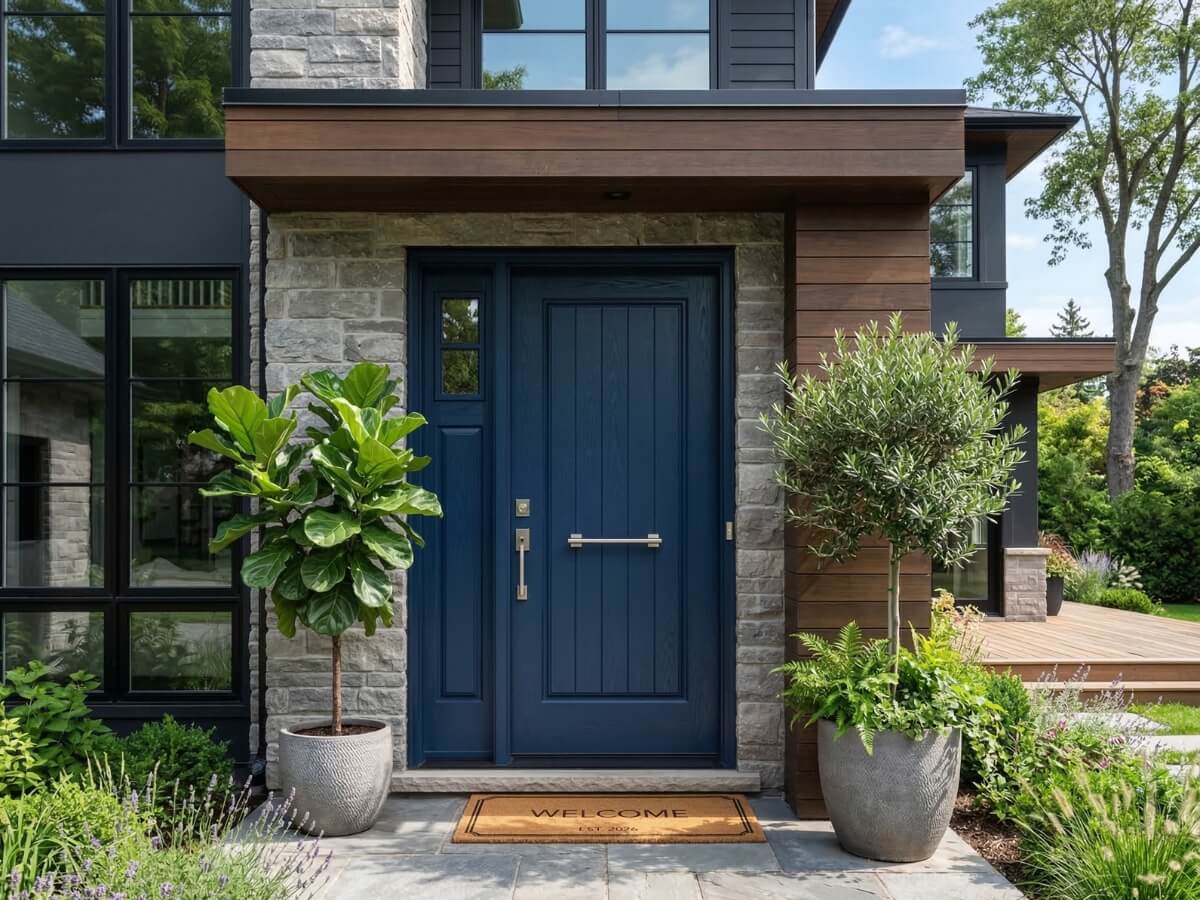
Staining a high-quality fiberglass door yields a finish that is virtually indistinguishable from real, solid wood. Unlike real wood, which requires sanding and resealing every couple of years to prevent rotting, a stained fiberglass door retains its rich, vivid tones for decades with simple, periodic cleanings. Furthermore, 2026 design trends favor bold, expressive entryways featuring deep blues, emerald greens, and rich reds, alongside sleek, minimalist layouts with large glass inserts. Fiberglass handles these modern paint finishes beautifully, ensuring your front door remains the star of your street.
Security and Peace of Mind
Security remains a paramount concern for every homeowner looking to upgrade their entry system. Historically, steel was considered the ultimate choice for home defense due to its rigid, heavy metal surface. While it is true that steel offers excellent localized impact resistance against blunt force, modern fiberglass entry doors have evolved to match that level of protection. Modern high-quality fiberglass systems are engineered with reinforced wooden or composite stiles, heavy-duty lock blocks, and multi-point locking mechanisms. When properly paired with a robust door frame, a fiberglass door provides an incredibly tough barrier against unauthorized entry.
Forced entry attempts often fail against modern composite structures because fiberglass doesn't bend or buckle in the same way thin steel sheets do under leverage. A steel door can be pried open if the metal around the lock bends or tears under intense localized pressure. Fiberglass distributes physical loads more evenly across its entire composite frame, maintaining structural integrity under immense strain. When you install a premium, reinforced fiberglass entryway with modern smart locks and heavy-duty deadbolts, you are achieving commercial-grade security without compromising on style or thermal performance.
Financial Value and Return on Investment
Financial decisions regarding home improvement should always balance upfront costs with lifetime value. It is true that steel doors generally have a lower initial purchase price, making them highly attractive for quick flips or extreme budget-conscious builds. However, looking at the total cost of ownership over a ten to twenty-year period reveals a completely different picture. Steel doors often require periodic repainting to prevent rust, repairs for unsightly dents, and eventually, earlier replacement. The maintenance costs and shorter lifespan of steel quickly erode those initial savings.
Investing in a fiberglass entryway is widely recognized by real estate experts in 2026 as one of the smartest upgrades you can make. The immediate improvement in curb appeal directly increases your home's appraisal value, while the daily energy savings begin compounding from day one. Additionally, because fiberglass doors are incredibly long-lasting and require almost no maintenance, they consistently deliver one of the highest returns on investment (ROI) in the residential renovation market. You essentially install the door once and enjoy decades of hassle-free beauty and performance.
Fiberglass vs. Steel Doors: A Comprehensive Comparative Analysis
Examining the key specifications side-by-side reveals why fiberglass is the modern builder's top recommendation. While steel serves as a reliable, cost-effective option for basic installations, it cannot compete with the comprehensive material benefits of fiberglass. From thermodynamic properties to physical elasticity, composite engineering has effectively solved every major flaw associated with traditional metal doors. The data in our comparative analysis highlights how fiberglass maximizes performance in every category that matters to long-term homeowners.
| Performance Metric | Fiberglass Doors (2026 Standards) | Steel Doors (2026 Standards) |
|---|---|---|
| Aesthetic Appeal | Perfect wood replication, deep wood grains, or smooth modern paint. | Smooth painted surface, limited textures, feels industrial. |
| Thermal Insulation | Exceptional; high-density polyurethane core avoids heat transfer. | Moderate; metal skin is naturally highly conductive. |
| Dent & Impact Resistance | Extremely high; elastic composite skin absorbs hard shocks. | Low; highly prone to permanent denting from daily impacts. |
| Rust & Corrosion | 100% immune; perfect for coastal and high-humidity areas. | Vulnerable; prone to rusting if the painted surface gets scratched. |
| Maintenance Required | Minimal; simple wipe down with a damp cloth periodically. | Moderate to high; requires touch-ups and repainting to prevent rust. |
| Average Lifespan | 30 to 50 years with virtually zero degradation. | 15 to 20 years before physical damage or rust takes over. |
Key Architectural Takeaways
Reviewing the core advantages of composite technology helps summarize why this material has claimed a major share of the entryway market. To help you make the absolute best decision for your upcoming home renovation, we have compiled the most critical points. These key takeaways illustrate why making the switch from metal to composite is not just a trend, but a smart, forward-thinking investment for your property.
- Superior R-Values: Fiberglass offers unparalleled thermal insulation, significantly lowering monthly heating and cooling bills.
- Zero Rust Concerns: Unlike steel, composite polymers never corrode, making them the premier choice for coastal climates.
- Realistic Wood Textures: Precision molds replicate authentic hardwood patterns without the risk of rotting or cracking.
- Impact Resilience: The high elastic limit of fiberglass skins prevents minor dings and dents from ruining curb appeal.
Frequently Asked Questions (FAQ)
Anticipating your questions is an important part of choosing the perfect entry system for your home. While the benefits of fiberglass are clear, making a final choice often requires clarifying specific details regarding installation, cost, and long-term care. Below, we have gathered and answered the most common questions homeowners ask when deciding between these two popular materials in 2026.
Absolutely, high-end fiberglass doors look so realistic that most people cannot tell them apart from solid wood. Advanced grain-molding processes capture the authentic texture, depth, and organic variations of natural timber. When you apply professional-grade stains and clear protective topcoats, the door showcases beautiful grain patterns that elevate your home's architectural style without any of the maintenance headaches of real wood.
Yes, modern fiberglass doors offer exceptional security that is fully comparable to steel for residential applications. While steel is slightly harder to pierce under extreme, concentrated industrial forces, fiberglass doors are built with robust internal wood or composite stiles and reinforced steel plates around the lock. When paired with high-quality multi-point locking systems and solid wood frames, they provide a formidable barrier that easily resists forced entry attempts.
Many Blogger templates suffer from responsive layout issues because their global CSS containers squeeze custom HTML wrappers into narrow, compressed columns. This custom HTML code is specifically engineered to bypass that problem by using scoped classes prefixed with `.ogs-` and avoiding any global element selectors like body or paragraph. By setting the main container to a fluid, responsive width with built-in overflow protection and word-wrapping, this design guarantees that your article displays in its natural, beautiful proportions on both desktop and mobile screens.
Generally speaking, a high-quality fiberglass door will easily last between thirty and fifty years with very minimal maintenance. In comparison, steel doors have a significantly shorter practical lifespan of around fifteen to twenty years, particularly in wet or coastal environments where rust eventually compromises their structure. Fiberglass resists all forms of rot, rust, cracking, and environmental warping, ensuring that your initial investment continues to perform beautifully for decades to come.