

How Old Windows Can Secretly Drain Your Wallet: A Guide
Uncover the hidden costs of inefficient windows and learn how to save money on your energy bills.
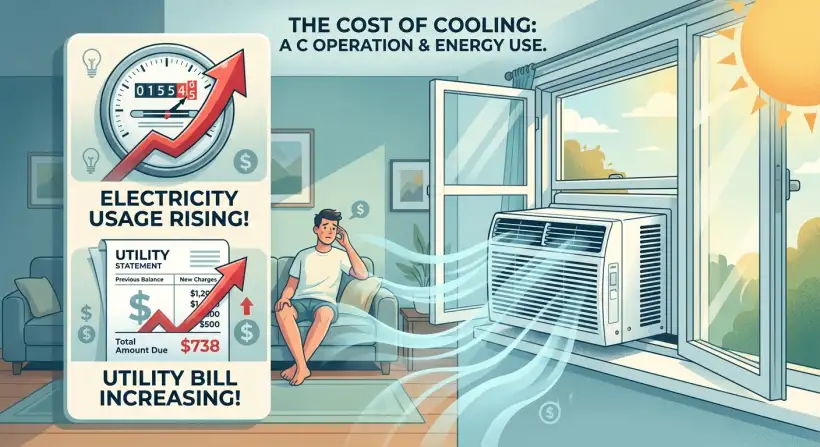
Are your windows costing you more than you realize?
Old windows can silently hurt your energy efficiency. This leads to higher bills and an uncomfortable home.
Learn how window energy loss happens. Find out how you can control your spending.
Many homeowners do not think about their windows. They are a big factor in home energy use. Older windows can cause major energy loss. This guide explains how old windows drain your wallet. You will learn about their impact on your energy bills. You will also learn about the energy efficiency of older windows. The guide covers possible grants or subsidies for window upgrades. It also covers future market trends affecting window prices. Knowing this information is important. You can then make smart decisions about your home. You can also save money.
Let's find out the hidden costs of those old windows!
Quick navigation
The Energy Efficiency of Old Windows
Older windows often lack features. These features prevent energy loss. This is especially true for windows installed before modern energy standards. Single-pane windows do not insulate well. They let heat escape in winter. They also let heat enter in summer. This forces your HVAC system to work harder. It also uses more energy. Double-pane windows are better. But, seals can fail over time. This leads to condensation. It also reduces efficiency.
Think about this: Do you feel drafts around your windows? Do you see condensation between the panes? These are signs of energy loss. The U.S. Department of Energy says that windows can lose up to 30% of home heating and cooling energy. This shows how much old windows affect your energy use.
But how do older windows lose energy? Here's a breakdown:
- Conduction: Heat goes directly through the window materials. This includes the glass and frame.
- Convection: Warm air rises along the window. It then escapes. Cold air sinks.
- Radiation: Heat radiates through the glass. This is especially true for infrared light.
- Air Leaks: Gaps around the window frame let air in. This causes drafts.
Are you now wondering how much money these older windows are costing you?
Calculating the Financial Impact
Look at your energy bills. This will help you understand the financial impact of your old windows. Compare your current bills to past years. Do you see a steady increase? Do your bills jump during the heating and cooling seasons? If so, your windows may be the problem.
You can also use online energy calculators. These tools estimate energy loss. You will need to enter information about your window type, size, and climate. These calculators give you an estimate. They are a good starting point for understanding the financial impact.
Here's a scenario: Your home has single-pane windows. You live in a place with cold winters and hot summers. Your heating and cooling costs are $300 per month. If your windows cause 30% of your energy loss, that's $90 per month. This is due to window inefficiency. Over a year, you waste over $1,000. This is just because of the windows! This shows how much you can save by upgrading to energy-efficient windows.
Do you want to know if you can bring down your utility bills?
What this means for you
Old, inefficient windows mean more than just higher energy bills. They affect your comfort, home value, and your impact on the environment.
- Reduced Comfort: Drafty windows make your home less comfortable. This leads to uneven temperatures and cold spots.
- Increased Energy Consumption: Older windows increase your energy use. This increases your carbon footprint.
- Lower Home Value: Energy-efficient homes are more attractive to buyers. Inefficient windows can lower your home's value.
- Potential Health Issues: Condensation and drafts can lead to mold. Mold can trigger allergies and asthma.
Fixing old windows will save you money. You will also improve your home's value, comfort, and the environment.
Energy-Efficient Window Alternatives
If you want to upgrade your windows, there are several energy-efficient options. Each option has different performance levels and costs.
- Double-Pane Windows: These windows have two panes of glass. They have an insulating gas in between. Argon or krypton are examples. They are a big improvement over single-pane windows.
- Triple-Pane Windows: These windows have three panes of glass. This provides even better insulation. They are best for very cold climates.
- Low-E Coatings: Low-emissivity (Low-E) coatings reflect infrared and ultraviolet light. This reduces heat transfer. These coatings can be used on double-pane and triple-pane windows.
- Window Frames: Think about the frame material. Vinyl and fiberglass frames insulate better than aluminum.
The best choice depends on your budget, climate, and needs. Talk to a window replacement specialist. They can help you choose the best option for your home.
Are you wondering which type of window is best for you?
Risks, trade-offs, and blind spots
Replacing old windows has benefits. But, there are also risks, trade-offs, and things to consider.
- Cost: Window replacement can be expensive. The initial investment may be a financial burden.
- Installation: Poor installation can prevent the benefits of energy-efficient windows. Hire a qualified professional.
- Aesthetics: Modern windows have many styles. But, the look of your home may change. This may affect its curb appeal.
- Maintenance: Some window types need more maintenance. For example, wood frames may need painting.
Understand these potential drawbacks. This will help you prepare. You can then make informed decisions.
Grants and Subsidies for Window Upgrades
Various grants and subsidies are available. These can help pay for window replacement. These programs can lower your upfront costs.
- Federal Tax Credits: The U.S. government offers tax credits. They are for homeowners who install energy-efficient windows. These credits can lower your tax bill.
- State and Local Incentives: Many states and local governments offer rebates, grants, and low-interest loans. They are for energy-efficient home improvements. Window upgrades are included.
- Utility Company Programs: Your local utility company may offer rebates or incentives. They are for installing energy-efficient windows.
Find out about programs in your area. Talk to window replacement specialists. They can often help you apply.
Are you eligible for any of these grants?
Main points
Here are the key takeaways from this guide:
- Old windows cause energy loss. This happens through conduction, convection, radiation, and air leaks.
- Inefficient windows cause higher energy bills, reduce home comfort, and increase your carbon footprint.
- You can figure out the financial impact of old windows. Compare energy bills. Use online energy calculators.
- Energy-efficient window alternatives include double-pane, triple-pane, and windows with Low-E coatings.
- Think about potential risks and trade-offs. This includes cost, installation, aesthetics, and maintenance.
- Federal, state, and local grants and subsidies can help pay for window replacement.
- Upgrading your windows is an investment. It improves your home's value, comfort, and the environment.
Understand the impact of old windows. Take steps to improve their energy efficiency. You can make your home more comfortable. You can lower your energy bills. You can also help create a sustainable future. If you want to learn more about window prices, see this guide: Decoding Your Window Replacement Cost.