

How to Get a Window: A Comprehensive Guide to Window Installation and Replacement
Everything you need to know about installing and replacing windows, from start to finish.
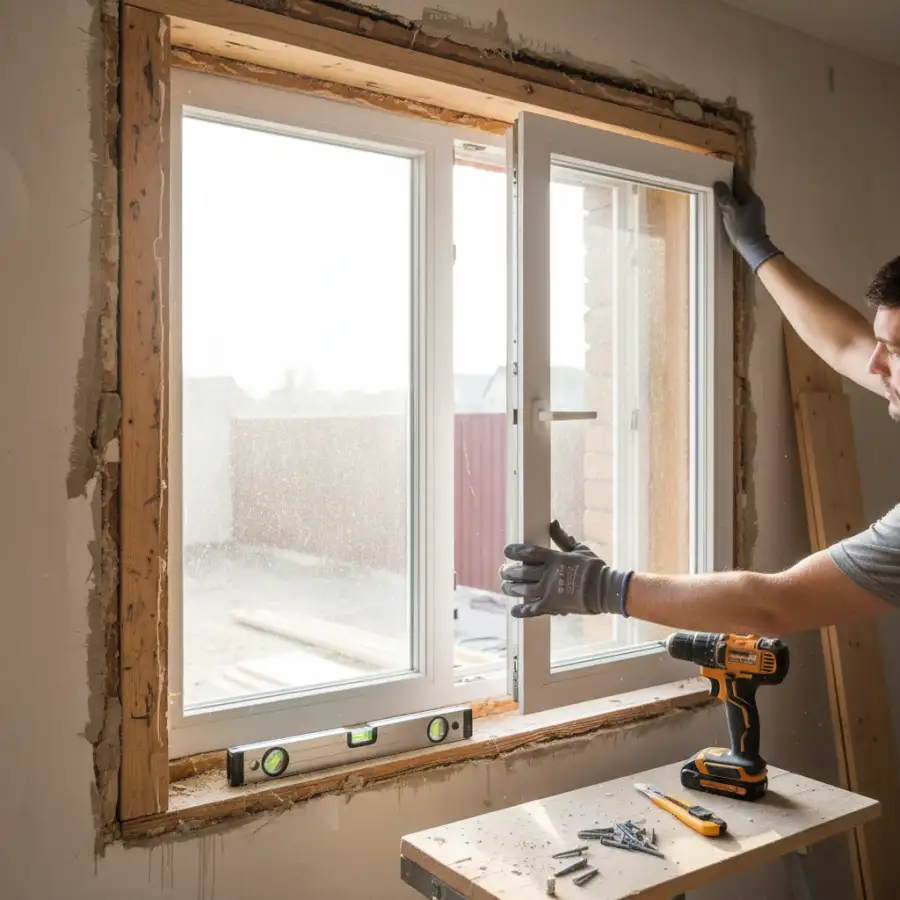
Are your windows drafty, cracked, or outdated? You do not need to hire a contractor to solve these problems.
Understanding window installation and replacement can save you money and trouble, whether you are building a new home or upgrading your current one.
This guide walks you through the entire process. You will have the knowledge and confidence to get the job done right.
Replacing or installing windows can improve your home's energy efficiency, look, and value. This guide covers everything. It goes from choosing the right window to the final steps of installation. We will cover window replacement from the inside. You will be ready to handle the project.
Let's begin.
Quick navigation
- Choosing the Right Windows for Your Needs
- Tools and Materials You'll Need
- Preparing for Window Replacement or Installation
- Step-by-Step Guide: Replacing a Window from the Inside
- Window Installation in New Construction
- Addressing Common Challenges
- What this means for you
- Risks, trade-offs, and blind spots
- Main points
Choosing the Right Windows for Your Needs
You must select the right windows for your home before you start. How do you know which ones are best? Consider these factors:
- Window Type: There are many window types, like double-hung, casement, sliding, and bay windows. Each has benefits for ventilation, ease of use, and appearance.
- Material: Windows are made from wood, vinyl, aluminum, and fiberglass. Each material offers different levels of durability, energy efficiency, and maintenance.
- Energy Efficiency: Look for windows with ENERGY STAR certification. These windows meet strict energy efficiency guidelines. They can reduce your energy bills.
- Climate: Consider your climate when choosing windows. You may want windows with low-E coatings and gas fills to reduce heat loss in colder climates.
- Budget: Window prices vary. They depend on the type, material, and features. Set a budget before shopping to narrow your options.
Tools and Materials You'll Need
Having the right tools and materials is important for window installation or replacement. What should you gather?
- Safety Gear: Safety glasses, work gloves, and a dust mask are needed.
- Measuring Tools: Measuring tape, level, and a stud finder are essential for accurate measurements.
- Cutting Tools: A utility knife, reciprocating saw, and possibly a circular saw for cutting materials.
- Fasteners: Screws, nails, and construction adhesive to secure the window.
- Sealing Materials: Caulk, weatherstripping, and expanding foam to seal the window and prevent air leaks.
- Window Installation Kit (Optional): Many kits include shims, fasteners, and sealant.
Preparing for Window Replacement or Installation
Proper preparation is key to smooth window installation. Where do you start?
First, protect the area. Cover floors and furniture with drop cloths. Remove interior trim, like molding or casing, using a pry bar and hammer if replacing an existing window. Check the window opening for rot or damage. Make repairs before continuing. Measure the window opening to ensure a proper fit.
Step-by-Step Guide: Replacing a Window from the Inside
Replacing a window from the inside can work. Is this approach right for you? Follow these steps:
- Remove the Old Window: Remove the old window from the inside. This may include removing the sash, cutting through caulk or sealant, and removing the frame.
- Prepare the Opening: Clean the window opening. Remove old caulk or debris. Check the frame for damage. Make repairs if needed.
- Install the New Window: Place the new window in the opening. Make sure it is level. Use shims to fit it snugly.
- Secure the Window: Fasten the window to the frame with screws or nails. Follow the manufacturer's instructions.
- Seal the Window: Caulk around the outside of the window. Use expanding foam to fill gaps between the window and the frame.
- Install Interior Trim: Reinstall the interior trim, like molding or casing, to finish the job.
Window Installation in New Construction
Installing windows in new construction needs a slightly different approach. How is it different?
- Frame Preparation: Make sure the window openings are square, level, and the correct size.
- Window Placement: Place the window in the opening. Make sure it is level. Use shims for a snug fit.
- Fastening: Fasten the window to the framing with screws or nails. Follow the manufacturer's instructions.
- Sealing: Seal the window with caulk and expanding foam. This prevents air leaks and water from entering.
- Exterior Finish: Apply exterior trim and siding to complete the installation.
Addressing Common Challenges
Window projects sometimes have challenges. What are the most common?
- Window Not Fitting Properly: Double-check your measurements if the window does not fit. You may need to adjust the opening or order a custom-sized window.
- Air Leaks: Air leaks happen because of gaps between the window and the frame. Use caulk and expanding foam to seal these gaps.
- Water Leaks: Water leaks happen if the window is not sealed. Make sure the caulk is applied correctly. Ensure the exterior trim is installed properly.
- Condensation: Condensation on windows can be from high humidity or poor ventilation. Improve ventilation. Consider installing energy-efficient windows to reduce condensation.
What this means for you
A window installation or replacement project helps you improve your home's comfort, energy efficiency, and value. You can save money if you understand the process and follow these steps. This knowledge allows you to make decisions when choosing windows, materials, and hiring professionals. This knowledge gives you a more comfortable, energy-efficient, and nice living space.
Risks, trade-offs, and blind spots
Window projects can be rewarding. But, they also have risks. One of the main risks is water damage if the installation is not sealed. Fill all gaps with caulk and expanding foam to prevent leaks. This prevents mold and structural damage. The trade-offs may include the initial cost of windows. Weigh this against the long-term benefits of energy savings and increased home value. Blind spots can happen if you do not consider the climate when choosing windows. This can lead to poor energy performance.
Main points
- Choose the right windows: Select windows based on your needs. Consider window type, material, energy efficiency, climate, and budget.
- Gather necessary tools and materials: Make sure you have the right safety gear, measuring tools, cutting tools, fasteners, and sealing materials.
- Prepare the window opening: Remove old windows. Clean the opening and check for damage.
- Follow step-by-step instructions: Follow the instructions to ensure a proper fit and seal.
- Address common challenges: Be ready to handle issues. These include an improper fit, air leaks, water leaks, and condensation.
- Prioritize safety: Wear safety gear.
- Seal properly: Use caulk and expanding foam to seal windows and prevent air and water leaks.
- Consider professional help: Get professional help if you are not comfortable with any part of the process.
Now that you have the knowledge and skills, improve your home. Whether replacing old windows or starting a new project, getting a new window can improve your living space. Consider the costs associated with window replacement before you begin. For more information, read your definitive window replacement cost to make an informed decision.