

Why Energy-Efficient Windows Are a Smart Home Upgrade
Reduce energy bills and boost comfort with modern window technology.
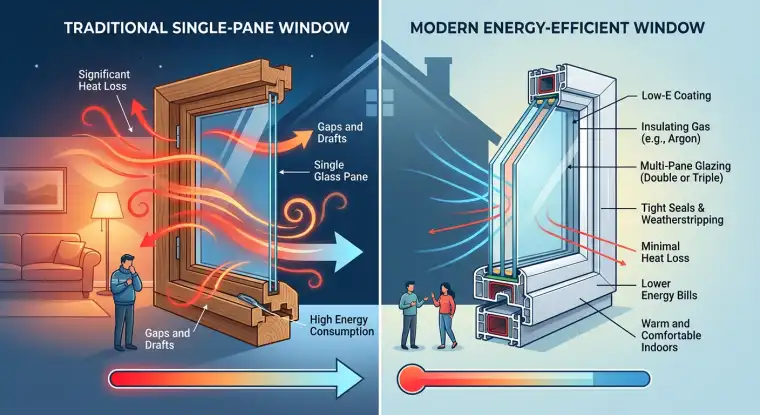
Are your energy bills creeping up? You're not alone. Drafty, inefficient windows are often the culprit.
Upgrading to energy-efficient windows can dramatically lower your energy consumption, making your home more comfortable year-round.
Discover the key features and benefits of energy-efficient windows, and learn how they can transform your home.
Want a more sustainable and cost-effective home? Energy-efficient windows are important. They minimize heat transfer. This keeps your home warm in winter and cool in summer. They are a significant investment in your home's comfort and value. This guide explains why energy-efficient windows are a smart home upgrade. It explores different technologies, benefits, and things for homeowners to consider.
This article will use "energy-efficient windows" for windows designed to reduce energy consumption.
Quick navigation
What Makes a Window Energy Efficient?
Energy-efficient windows reduce heat transfer. This can greatly affect your home's energy use. What makes them perform so well? Several key features work together.
First, the glazing, or glass, is important. Modern energy-efficient windows often use multiple glass panes, usually double or triple. The air or gas between the panes insulates. It reduces heat transfer. Low-emissivity (Low-E) coatings are another key part. These thin coatings are on the glass. They reflect infrared light. This reduces heat loss in winter and heat gain in summer. The gas between the panes matters, too. Argon and krypton gases are denser than air. They provide better insulation.
The window frame material is also important. Vinyl, fiberglass, and wood (with good insulation) insulate better than aluminum frames. Aluminum frames conduct a lot of heat. Finally, the installation process is critical. Proper sealing and caulking around the window frame prevent air leaks. This boosts the window's energy efficiency. Is your home losing more energy than needed?
Types of Energy-Efficient Windows
Not all energy-efficient windows are the same. Different window types offer varying energy performance levels. They have different advantages and disadvantages. Knowing the different types can help you make a good decision when upgrading your home.
Double-pane windows are common and effective. They have two glass panes with space (filled with air or gas) between them. They are much better than single-pane windows. They reduce heat transfer and improve insulation. Triple-pane windows add a third glass pane. This provides even better insulation. They offer superior performance, but they cost more. Low-E coated windows are available in double- and triple-pane designs. They are a standard for energy efficiency.
Frame materials also vary. Vinyl frames are popular. They have good insulation, low maintenance, and are affordable. Fiberglass frames are another good option. They are durable and have good thermal performance. Wood frames offer a classic look. They need more maintenance and must be properly insulated to maximize energy efficiency. Would knowing the details of different window types help you make a better choice?
Benefits of Energy-Efficient Windows
Installing energy-efficient windows offers more than just lower utility bills. These windows make your home more comfortable and sustainable.
One major benefit is reduced energy consumption. By minimizing heat loss in winter and heat gain in summer, energy-efficient windows help your heating and cooling systems. This directly lowers your energy bills. Better insulation means consistent indoor temperatures. You avoid drafts and hot spots. Energy-efficient windows also reduce condensation and drafts. This improves indoor air quality. From an environmental perspective, reducing energy consumption lowers your carbon footprint. This helps conserve the environment. And, energy-efficient windows can increase your home's resale value. They are a smart investment.
Energy-efficient windows cost more upfront than traditional windows. But the long-term savings and increased comfort make them worthwhile. Do you want to save on utility bills and increase your comfort?
Understanding Window Performance: U-Factor and R-Value
You'll see two key terms when you evaluate energy-efficient windows: U-factor and R-value. Understanding these is important for comparing different windows and checking their energy performance.
The U-factor measures the rate of heat flow through a window. It shows how well the window prevents heat from escaping or entering your home. The lower the U-factor, the better the window's insulation. U-factors are in BTU/hr-sq ft-°F. R-value measures a window's resistance to heat flow. It is the opposite of the U-factor. A higher R-value means better insulation. R-value is usually a value, like R-3 or R-5. Pay close attention to both U-factor and R-value when comparing windows to make a good decision.
Consider your climate when evaluating these numbers. Homeowners in colder climates should choose windows with lower U-factors and higher R-values. Homeowners in hotter climates may want windows that block solar heat gain. Are you ready to understand these values to compare windows?
What this means for you
Upgrading to energy-efficient windows can greatly affect your daily life and finances. You will enjoy lower utility bills. This frees up money for other things. You will also experience improved comfort. Drafts and temperature changes will be gone. You will have a better living environment. Energy-efficient windows also help create a healthier home environment. They can reduce condensation. This can help prevent mold and mildew. They can also reduce noise pollution. You will have a quieter and more peaceful home.
Choosing energy-efficient windows is an investment. It pays off in many ways. These windows are a good upgrade, whether you want to save money or have a more comfortable and sustainable home. Is it time for you to upgrade your windows?
Risks, trade-offs, and blind spots
Energy-efficient windows have many advantages. There are some trade-offs and things to keep in mind. One risk is the upfront cost. Energy-efficient windows usually cost more initially. But, consider the long-term savings on energy bills. The time it takes to get your money back depends on your local energy costs and window efficiency.
Another trade-off is less natural light. Some energy-efficient windows, especially those with Low-E coatings, may slightly reduce the amount of light in your home. However, window technology has improved this effect. You can still have plenty of natural light. Also, proper installation is important. Poorly installed windows can cancel out the benefits of their energy-efficient features. Hire a qualified installer. Make sure the windows are properly sealed and insulated. Consider all aspects of the windows you choose before deciding.
Main points
- Energy-efficient windows reduce heat transfer. This lowers energy bills.
- Double-pane and triple-pane windows insulate better than single-pane windows.
- Low-E coatings and gases (argon, krypton) improve energy performance.
- Vinyl, fiberglass, and insulated wood frames provide good insulation.
- U-factor and R-value are key for assessing window performance.
- Proper installation, including sealing and caulking, is important for efficiency.
- Energy-efficient windows increase home comfort and lower your carbon footprint.
- Consider upfront costs and long-term savings when buying new windows.
Are you ready to experience the benefits of energy-efficient windows? Make a good decision. Assess your home's needs. Research window options. Talk to qualified professionals. See window replacement costs to better understand the finances.