

Why Energy Efficient Windows Are Essential for Your Home
Maximize Comfort and Savings with Smart Window Choices
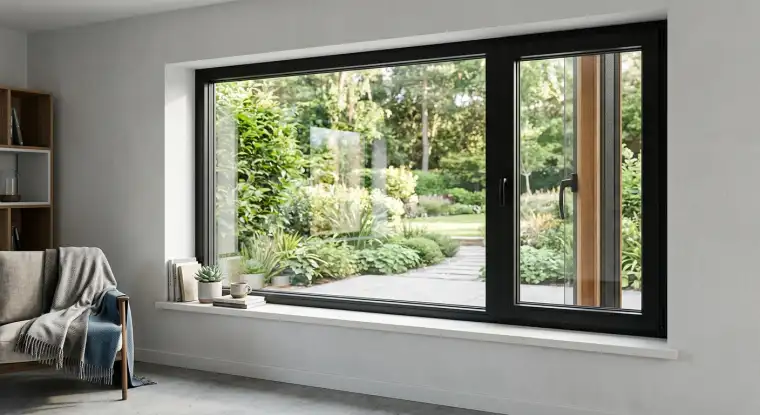
Are your windows costing you more than you realize? Energy-efficient windows are a smart investment. They pay dividends in comfort and savings.
Upgrading your windows reduces your energy bills. It also enhances your home's value. Imagine a home that is always comfortable, no matter the weather.
This guide explores energy-efficient windows. You will learn how to make smart decisions for a sustainable and cost-effective home.
Energy-efficient windows are often underestimated. They are important for reducing energy use and creating a comfortable home. Homeowners can make informed decisions by understanding the types, benefits, and costs of these windows. These decisions positively affect their wallets and the environment.
This guide explains why energy-efficient windows are a good choice. It covers different types of windows and potential financial incentives.
Quick navigation
- Understanding Energy Efficient Windows
- Benefits of Energy Efficient Windows
- Types of Energy Efficient Windows
- Factors to Consider When Choosing Energy Efficient Windows
- Costs and Financial Incentives
- Installation and Maintenance Tips
- What this means for you
- Risks, trade-offs, and blind spots
- Main points
Understanding Energy Efficient Windows
Energy-efficient windows limit heat transfer. They keep heat inside during winter and outside during summer. This lowers the workload for your heating and cooling systems. These windows use multiple panes of glass, low-E coatings, and gas fills to achieve this.
A window's efficiency is measured by its U-factor. This shows how well it prevents heat from escaping. It is also measured by its Solar Heat Gain Coefficient (SHGC). This measures how well it blocks heat from the sun. Lower values for both mean better energy efficiency.
Benefits of Energy Efficient Windows
Why should you consider energy-efficient windows? The benefits go beyond lower energy bills. Are you ready to see how these windows can change your home?
- Reduced Energy Bills: You can save a lot on your energy bills. These windows prevent heat loss in winter and heat gain in summer. This reduces the need for heating and cooling.
- Increased Home Comfort: Energy-efficient windows keep your home at a consistent temperature. They eliminate drafts and hot spots.
- Enhanced Home Value: Upgrading to energy-efficient windows can increase your home's resale value. This makes it a valuable investment.
- Reduced Carbon Footprint: You will use less energy. This helps reduce greenhouse gas emissions and supports a sustainable environment.
- Noise Reduction: Many energy-efficient windows reduce outside noise. This creates a quieter and more peaceful home.
Types of Energy Efficient Windows
Energy-efficient windows come in different types. Each type has its own advantages and costs. Choosing the right type depends on your needs, budget, and climate. Which window type is best for your home?
- Double-Pane Windows: These windows have two panes of glass. There is air or gas between them. This provides better insulation than single-pane windows.
- Triple-Pane Windows: These windows offer even greater insulation. They have three panes of glass. They are ideal for very cold climates.
- Low-E Windows: These windows have a low-emissivity coating. This coating reflects infrared light and reduces heat transfer.
- Gas-Filled Windows: These windows have gases like argon or krypton between the glass panes. This improves insulation.
- Window Frames: The frame material also affects efficiency. Options include wood, vinyl, fiberglass, and aluminum. Vinyl and fiberglass offer excellent insulation.
Factors to Consider When Choosing Energy Efficient Windows
You should consider several factors when selecting energy-efficient windows. What key aspects should be at the forefront of your decision-making?
- Climate: Your climate is important. Windows with lower U-factors are recommended in colder climates. These windows minimize heat loss. Windows with lower SHGC are helpful in warmer climates. They reduce heat gain from the sun.
- Window Ratings: Look for windows with ENERGY STAR certification. These windows meet strict energy efficiency guidelines from the U.S. Environmental Protection Agency (EPA).
- Frame Material: The frame material affects the window's insulation. Consider vinyl and fiberglass for their thermal performance.
- Glass Coatings: Low-E coatings block infrared heat. Choose the right coating for your climate.
- Installation: Proper installation is important for energy efficiency. Professional installation is recommended.
- Budget: Energy-efficient windows vary in price. Determine your budget and find windows that offer the best value. Consider the long-term savings on energy bills. You can explore window replacement costs in more detail here and here.
Costs and Financial Incentives
The cost of energy-efficient windows varies based on the type, size, and brand. The long-term benefits often outweigh the initial investment. Are you aware of the financial assistance available?
- Cost Breakdown: The cost can range from a few hundred to over a thousand dollars per window. It depends on the specifications.
- Tax Credits and Rebates: Many governments offer tax credits and rebates. These help with the cost of installing energy-efficient windows. The Energy Efficient Home Improvement Credit can help offset the cost.
- Grants and Loans: Some states and local governments offer grants and low-interest loans. These are for energy-efficient home improvements.
- Long-Term Savings: You can save money on your energy bills. This can offset the initial cost over time. This makes these windows a worthwhile investment.
Installation and Maintenance Tips
Proper installation and maintenance are important. They ensure your energy-efficient windows work well. How can you make sure your windows last and function correctly?
- Professional Installation: Hire professionals for window installation. This ensures they are sealed and insulated correctly.
- Regular Cleaning: Clean your windows regularly. This keeps them clear and working well. Use mild soap and water. Avoid harsh chemicals.
- Check Seals and Caulking: Check the seals and caulking around the windows. Repair or replace any damaged seals to prevent air leaks.
- Proper Ventilation: Make sure your windows have good ventilation. This prevents moisture buildup and mold growth.
What this means for you
Investing in energy-efficient windows means a smarter, more comfortable, and more valuable home. You are making a choice to reduce energy use, save money, and help the environment. This is a chance to change your living space into an efficient and comfortable home.
Risks, trade-offs, and blind spots
Energy-efficient windows offer many benefits. It is important to consider potential trade-offs and address any blind spots. Are you ready to think about these?
- Initial Costs: The upfront cost of energy-efficient windows can be higher than traditional windows. But you can save money over time.
- Installation Challenges: Proper installation is critical. You may need professional help. Incorrect installation can reduce the windows' efficiency.
- Maintenance Requirements: These windows need regular cleaning and occasional checks of seals and caulking.
- Aesthetics: Some homeowners may not like the look of certain energy-efficient windows. Consider your personal design preferences.
Main points
Energy-efficient windows are a key upgrade for any home. They provide comfort, cost savings, and environmental benefits. Are you ready to summarize the key points?
- Energy-efficient windows reduce energy bills. They prevent heat loss and gain. This creates a more comfortable home.
- There are different types of energy-efficient windows. These include double-pane, triple-pane, and those with low-E coatings.
- Think about factors like climate, window ratings, frame material, and glass coatings. This helps you choose the right windows.
- Financial incentives, like tax credits and rebates, can offset the costs of these upgrades.
- Proper installation and regular maintenance are important. They maximize the windows' performance.
- Investing in energy-efficient windows increases home value and reduces your carbon footprint.
- When selecting windows, consider potential trade-offs. These include initial costs and installation challenges.
To take the next step, evaluate your home's current energy efficiency. Then, explore the window options and financial incentives in your area. This will help you create a more energy-efficient and comfortable home.