

Why Renovation Budgets Often Exceed Expectations: A Comprehensive Guide
Navigate the complexities of home improvement costs and stay within your financial goals.
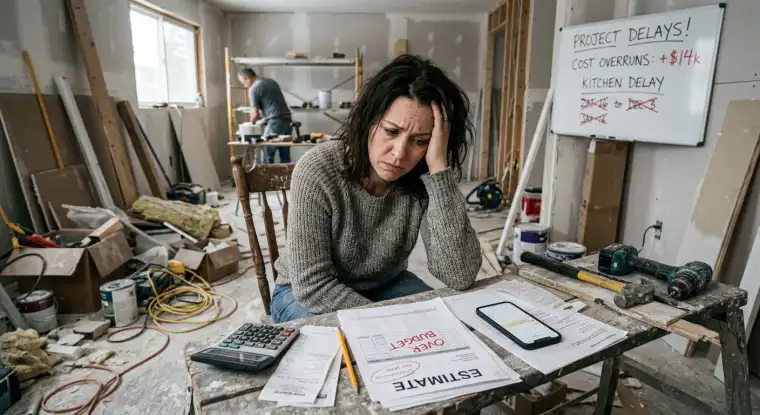
Do you dream of a home makeover? You are not alone. Many homeowners start renovations with excitement. They then find their budget has grown far beyond what they first planned.
The fear of overspending is common. What if you understood the hidden costs and unexpected problems that lead to budget overruns?
This guide goes into detail about renovation costs. It helps you handle the process with confidence and a clear understanding of what to expect.
Home renovation projects can be rewarding. They can change living spaces and increase property value. One of the biggest worries about renovations is the chance of costs getting out of control. It is common: you start with a budget and carefully plan everything. Yet, the final bill often costs more than you expected. This guide explains why renovation budgets often exceed expectations. It offers insights and strategies to help you stay on track. You can increase your chances of a successful and financially responsible renovation by understanding the causes and taking action.
Quick navigation
Understanding the 30% Rule in Remodeling
You should know the "30% rule." This rule suggests you add 30% to your initial budget to cover unexpected costs. This may seem like a lot, but it reflects the reality of renovation projects. Unforeseen issues often come up.
This percentage protects you from surprises during the project. It could be hidden problems behind walls, unexpected material price increases, or changes in the work. By adding this buffer, you can better manage your budget and reduce the stress of overspending.
Common Reasons for Budget Overruns
What causes budgets to exceed expectations? Several factors contribute to this. Understanding these is the first step toward avoiding them.
One factor is inaccurate initial estimates. Homeowners may underestimate the cost of materials, labor, and permits. Another issue is scope creep. This is when the project's requirements expand beyond the original plan. It often happens when homeowners want additional improvements.
Unforeseen issues can also affect costs. These include hidden structural problems or the need to address outdated building codes. Changes in the availability or cost of materials can also affect your budget. Finally, poor project management can lead to mistakes and rework. This increases expenses.
Hidden Costs and Unexpected Expenses
Many hidden expenses can quickly add up. These often go unnoticed in the initial planning. They can significantly affect your budget.
Permits and inspections are often underestimated. You may need different permits, depending on your project. Delays due to inspection failures can also lead to added costs. Demolition costs can be more expensive than expected, especially if hazardous materials like asbestos are found. Changes in design can also trigger increased expenses. These changes often require new materials or labor.
Unexpected repairs are also common. You might discover issues with your home's foundation, plumbing, or electrical systems. Finally, do not overlook living expenses while your home is under renovation. You must include these if you need to move out.
Realistic Cost Estimation
How do you avoid these problems? Developing a realistic cost estimate is key. This needs thorough research and a proactive approach.
Start by getting multiple bids from reliable contractors. Give them detailed plans and specifications to ensure they quote the same work. Use online cost calculators and resources to get an idea of material and labor expenses in your area. Consider getting help from an architect or design professional. They can provide detailed estimates and help you avoid overspending. Be sure to consider the total cost of the project and not just the initial quote. The article Decoding Your Window Replacement Cost explains many factors to consider.
Review the contractor's references and past projects. This lets you assess their experience and ability to deliver quality work within budget. Factor in all potential expenses. These include permits, inspections, and potential contingencies.
The Importance of Contingency Funds
One of the most important things in any renovation budget is the contingency fund. It is the safety net you need to handle the unexpected. How much should you set aside?
The 30% rule is a good guideline. Set aside 10% to 20% of your total budget to cover unforeseen expenses. Keep these funds separate from the rest of your budget. If you do not need the money, you can use it for additional improvements or put it back into your savings.
Using contingency funds wisely is important. When an unexpected expense arises, evaluate it carefully. Decide if it is essential to the project or if you can delay or change it to save money. Document all changes and expenses. Keep track of where the contingency funds are spent. This helps you stay in control and avoid going over budget.
Negotiating with Contractors and Suppliers
Negotiating with contractors and suppliers can help you control your renovation costs. Here are some strategies that can help you get a better deal.
Get multiple bids: Do not accept the first quote you receive. Get bids from several contractors. Compare their pricing and terms. Be clear about the work: Make sure all contractors understand the project details to avoid misunderstandings. Be flexible with materials: Consider different materials if the initial choice is over budget. Ask for discounts: Ask about discounts, especially on larger purchases. Review the contract carefully: Before signing, make sure the contract includes all project details and that there are no hidden fees. The article Your Definitive Window Replacement Cost has some great tips.
What this means for you
Understanding the potential problems of renovation budgeting is essential for a successful home improvement project. It can save you stress and money. It allows you to enjoy the process and the final result.
You can handle the challenges of home renovation with confidence if you prepare for the unexpected. Plan, research, and communicate effectively with contractors to keep your project within budget.
Risks, trade-offs, and blind spots
Renovating your home involves many variables. Recognizing these risks, understanding the trade-offs, and addressing potential blind spots can significantly improve your project's outcome.
One of the greatest risks is the chance of unforeseen expenses causing budget overruns. Trade-offs can involve choosing more affordable materials or scaling back the project. Potential blind spots can include not accounting for the cost of permits or the impact of delayed decisions.
To reduce these risks, create a detailed budget, including a contingency fund. Be ready to compromise on some parts of your project if needed. You will greatly improve your chances of a successful renovation by identifying and addressing these challenges.
Main points
Here is a summary of the main points to help you stay within your renovation budget:
- Factor in a Contingency Fund: Always include a contingency fund (10-20%) in your budget to cover unexpected expenses.
- Get Multiple Bids: Collect bids from multiple contractors to compare costs and ensure competitive pricing.
- Plan Thoroughly: Create detailed plans and specifications to avoid misunderstandings and scope creep.
- Research and Compare Costs: Research material and labor costs to create a realistic budget.
- Consider Hidden Costs: Account for permits, inspections, demolition, and other often-overlooked expenses.
- Negotiate: Negotiate with contractors and suppliers to get the best prices and terms.
- Communicate Clearly: Communicate clearly with your contractor and all suppliers to avoid misunderstandings.
- Stay Flexible: Be prepared to make compromises and adjust your plans if necessary.
You can significantly increase your chances of a successful renovation by following these guidelines. Remember, planning and a proactive approach are your best allies in achieving your home improvement goals. If you are considering replacing your windows, consider decoding your window replacement costs for a smoother experience.